20 de octubre de 2025
Sharps y la IA: la ventaja para las casas de apuestas deportivas
La brecha en materia de personalización y adopción de la IA en las casas de apuestas, en comparación con líderes tecnológicos como Netflix o Amazon, es un claro punto débil. Aunque la automatización está muy extendida, muchas funciones críticas de gestión de apuestas siguen dependiendo de la inteligencia humana integrada en reglas de software, en lugar de un aprendizaje automático dinámico. Esta dependencia de reglas predefinidas a menudo implica que la evaluación de riesgos se centra de forma limitada en el 3-5 % de los «clientes problemáticos» que causan pérdidas, pasando por alto al 95 % de los jugadores rentables y las oportunidades de optimización en el mercado en general.


En este artículo
Suscríbete
Ve un paso por delante
Recibe las últimas novedades sobre datos deportivos, tendencias en apuestas y noticias del sector, directamente en tu bandeja de entrada.
Este es un título
Moving Beyond the Basics of Risk Management
The modern sports betting industry is at a pivotal crossroads. The real challenge lies not in the availability of algorithms but in how operators choose to deploy them.
Many core sportsbook functions—from automated pricing to risk assessment—are already handled by sophisticated systems. Yet, as discussed in our recent webinar “There’s No AI in Sportsbook (Yet): Why the Industry Is Behind, and How AI Will Redefine the Game“, these systems often depend on hardcoded rules rather than dynamic AI.
The result is a narrow focus on minimizing risk from the small fraction of damaging customers while missing opportunities to enhance profits across the majority of players, who also often cross-sell into casino products.
The Value of “Testing in Production”
To truly unlock AI’s potential, sportsbooks must adopt a mindset shift. One provocative insight from the webinar emphasized embracing the sharps—expert bettors who exploit weak lines—as part of the system’s learning process.
Traditionally viewed as a liability, sharps can act as a real-time feedback loop, helping to balance odds and spot anomalies faster than internal systems alone. For instance, if a sportsbook only offers overs on volatile markets like shots on target, it misses the chance to learn from bets on the unders.
The Bottom Line
The message is clear: operators may need to sustain temporary losses—essentially “paying customers”—if it provides valuable data to refine AI models. This approach, known as testing in production, uses high-volume, informed bets to improve accuracy, adaptability, and operational excellence.
While speed and data accuracy remain crucial, the next frontier is a philosophy where competitive market interactions drive risk system evolution. The true edge belongs to the operator who learns from every single bet, no matter how sharp the customer.
For more insights on the future of data and AI in sports betting, watch the full webinar – There’s No AI in Sportsbook (Yet): Why the Industry Is Behind, and How AI Will Redefine the Game.
Artículos relacionados

28 de octubre de 2026
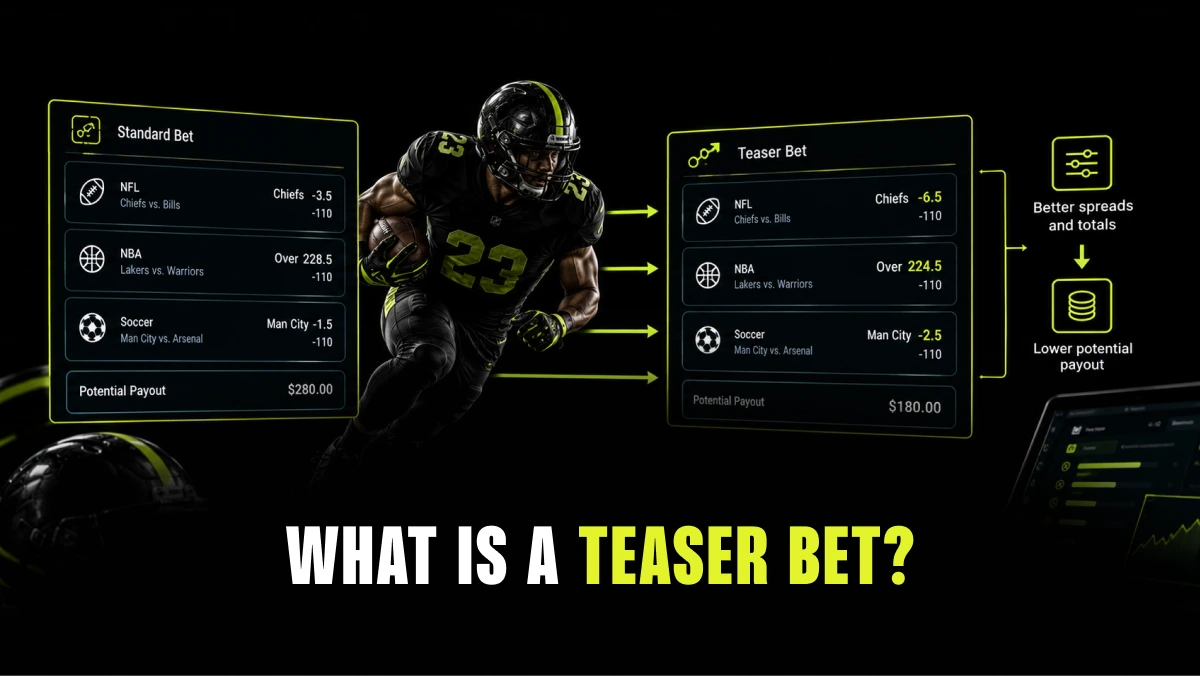
Descubre qué es una apuesta «teaser», cómo funcionan los ajustes de puntos y la fijación de cuotas, y cómo gestionan las casas de apuestas el riesgo y los márgenes de las apuestas «teaser», con ejemplos claros.


7 de octubre de 2026
Descubre cómo se calculan las cuotas de las apuestas en los eSports y aprende a fijar los precios de los mercados, a tener en cuenta los factores del juego y a actualizar las cuotas de forma continua.

1 de noviembre de 2026
Mi sexta edición de la G2E: de qué hablaron los operadores de apuestas deportivas en la G2E 2026, desde la regulación de los mercados de predicción hasta los nuevos productos, los nuevos deportes y unas perspectivas más prometedoras para 2027.



18 de agosto de 2026
Descubre qué son las apuestas deportivas para que puedas entender cómo funcionan los mercados de apuestas, conocer los tipos de apuestas más populares y disfrutar de una experiencia fiable en las casas de apuestas.

18 de septiembre de 2026
Descubre los métodos de recopilación de datos deportivos para que puedas elegir el enfoque adecuado, mejorar la calidad de los datos, agilizar la fijación de cuotas y mejorar la experiencia de las apuestas.
22 de septiembre de 2026
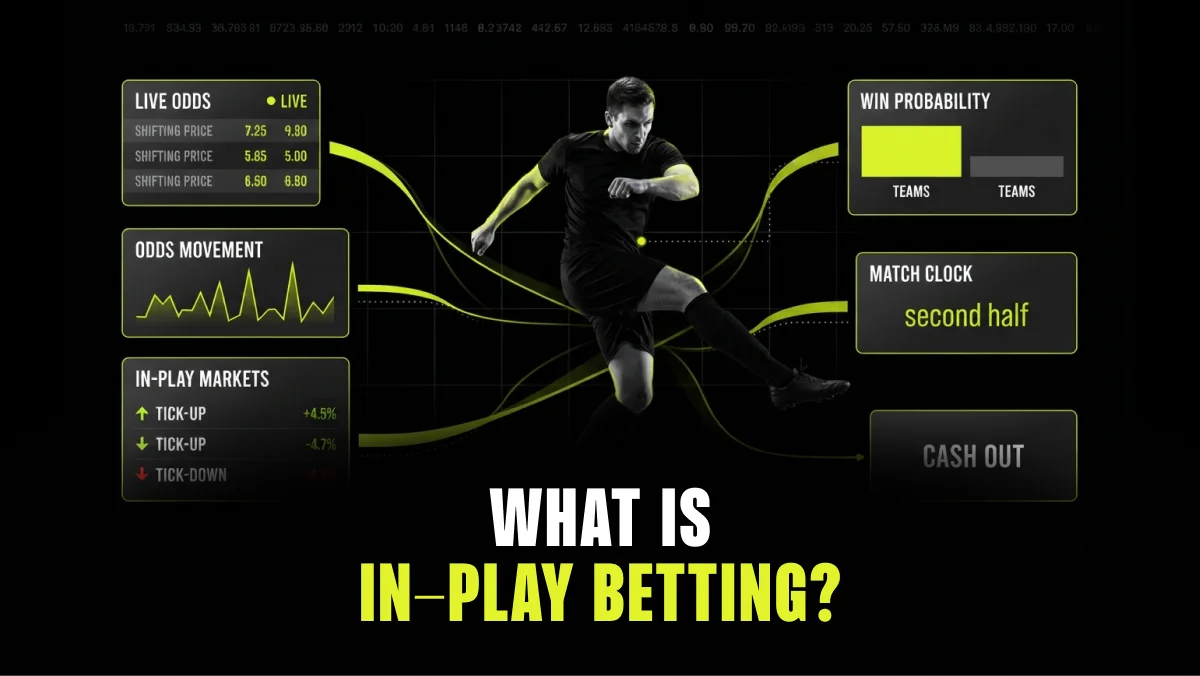
Descubre qué son las apuestas en directo, cómo funcionan los mercados en directo y cómo puedes mejorar la precisión de las cuotas, gestionar el riesgo y disfrutar de una mejor experiencia de apuestas.

2 de abril de 2023
Uno de los elementos clave para tener éxito en las apuestas deportivas es comprender las cuotas. Las cuotas de las apuestas se utilizan para indicar la probabilidad de que se produzca un resultado concreto en un evento deportivo, y sirven para determinar la ganancia potencial de una apuesta. Comprender las cuotas de las apuestas deportivas es fundamental para tomar decisiones de apuesta bien fundamentadas. Al comprender la probabilidad de un resultado concreto y la ganancia potencial, puedes decidir si merece la pena realizar una apuesta. Sin comprender las cuotas, es posible que realices apuestas que tengan pocas probabilidades de éxito o que ofrezcan una mala relación calidad-precio. En este artículo se presentan las cuotas de las apuestas deportivas, se explica cómo interpretarlas y se analizan los diferentes tipos de apuestas disponibles.
18 de julio de 2023
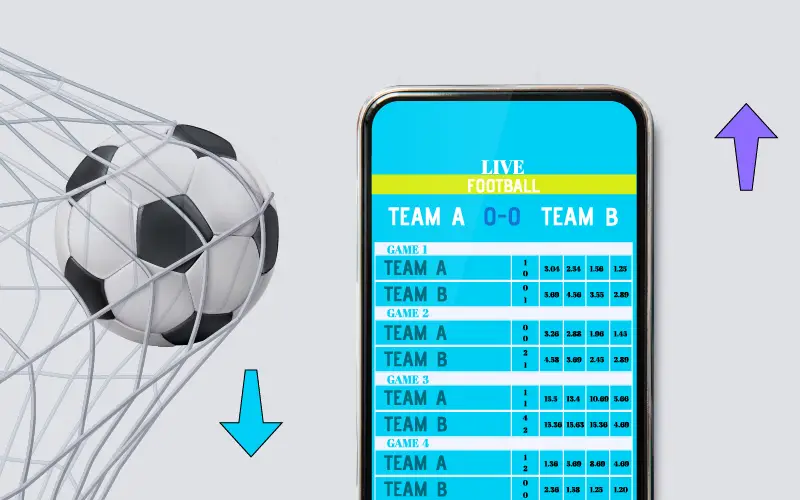
Las apuestas deportivas son una actividad que disfrutan millones de personas en todo el mundo. Además de la oportunidad de obtener beneficios económicos, ofrecen a los apostantes emoción y satisfacción inmediata. Las cuotas de apuestas son la base sobre la que se sustenta esta experiencia, pero ¿te has preguntado alguna vez cómo se determinan esas cuotas? En este artículo, levantaremos el telón y descubriremos el fascinante mundo de las casas de apuestas y cómo calculan esas cifras que nos tienen a todos en vilo.

30 de julio de 2024
En el frenético mundo de las apuestas deportivas, la liquidación de las apuestas es el momento de la verdad. Es el momento en el que una apuesta se declara oficialmente ganadora o perdedora, y se contabilizan las ganancias —o las pérdidas—. La experiencia de tus apostantes depende totalmente de este proceso aparentemente sencillo. Al fin y al cabo, ¿quién quiere quedarse esperando sin saber si ha ganado?

19 de noviembre de 2024
La información es la moneda mágica del sector de las apuestas deportivas online y determinará el éxito de tu casa de apuestas. Para sobrevivir en este mundo, debes contar con un flujo constante de información en tiempo real sobre múltiples eventos deportivos en curso y estar preparado para tomar decisiones instantáneas basadas en estas actualizaciones. No puedes permitirte cometer errores, ya que uno solo podría costarle a tu casa de apuestas su reputación. Sabemos que, a partir de ahí, todo va cuesta abajo. Entonces, ¿cómo se consiguen estos flujos de datos vitales para gestionar una plataforma con éxito? Ahí es donde entran en juego las fuentes de datos deportivos. Las casas de apuestas más exitosas confían en proveedores de datos de calidad para obtener información instantánea y actualizaciones sobre los eventos deportivos en curso. Estos operadores utilizan los datos para ajustar sus cuotas y mercados de forma que se adapten a la realidad actual y mantengan la confianza de los apostantes.

19 de mayo de 2025
Los datos de apuestas en directo se han convertido en una piedra angular de las casas de apuestas modernas, transformando las apuestas pasivas en experiencias dinámicas e interactivas que potencian significativamente la participación de los usuarios y la rentabilidad. Al aprovechar los datos deportivos en tiempo real y las API avanzadas para las cuotas de apuestas, los operadores pueden ofrecer cuotas actualizadas continuamente, sugerencias de apuestas personalizadas y opciones de microapuestas que mantienen a los usuarios activos durante todo el evento. Esto no solo aumenta el volumen de apuestas y reduce la pérdida de clientes, sino que también permite una gestión más inteligente de los márgenes. A medida que las casas de apuestas adoptan el análisis predictivo y los flujos de datos basados en la inteligencia artificial, el uso estratégico de los datos en directo destaca como un factor clave para la ventaja competitiva y el crecimiento a largo plazo.

15 de julio de 2025
Lo único que quería Arpad Elo era mejorar el sistema de clasificación de los ajedrecistas en Estados Unidos. Elo, profesor de física y ajedrecista de competición, formaba parte de la Federación de Ajedrez de Estados Unidos en la década de 1950, cuando esta comenzó a buscar un método de clasificación más sólido desde el punto de vista estadístico. Hasta entonces, los jugadores obtenían puntos en función de su rendimiento en los torneos en relación con la fuerza media de sus oponentes —un sistema razonable, pero no exento de defectos—. El mundo del ajedrez quería algo más preciso y con mayor capacidad predictiva. En 1960 se adoptó el sistema de Elo, que hoy en día sigue conociéndose como el «ranking Elo».

14 de septiembre de 2025
Los apostantes que apuestan por los totales suelen basarse en una de las estadísticas más visibles del baloncesto: las posesiones por partido. La lógica es obvia: un mayor número de jugadas debería traducirse en más oportunidades de anotar y, por lo tanto, en una mayor probabilidad de que se supere el total. Sin embargo, este razonamiento simplista pasa por alto matices fundamentales. Un ritmo rápido no siempre se traduce en puntos, y las casas de apuestas que no se adaptan a los indicadores de ritmo adecuados corren el riesgo de dejar ineficiencias en la pizarra. Para abordar estas ineficiencias, las casas de apuestas necesitan soluciones avanzadas y una oferta integral que incluya indicadores de ritmo precisos, fuentes de datos personalizadas y servicios flexibles que mejoren su rendimiento.

25 de septiembre de 2025
Un tenista puede sacar mejor que su rival, conseguir más golpes ganadores, cometer menos errores, aprovechar más puntos de break y, aun así, perder. ¿Cómo es posible? Podría deberse simplemente a que el jugador no dio un paso al frente cuando más importaba. «Todos los deportes se basan en números. Cuántos puntos has marcado, cuántas victorias… Es como ver una partida de blackjack y contar cartas. Una vez que has aprendido a contar, ¿volverías alguna vez a fiarte de la intuición?». Esta cita, de Billy Beane, la figura que impulsó la revolución «Moneyball» en el béisbol estadounidense, resume a la perfección la lógica del análisis deportivo en una sola frase. Desde principios de la década de 2000, este enfoque se ha extendido por todos los deportes del mundo. La ciencia proporciona herramientas empíricamente probadas que ayudan a decidir los partidos, seleccionar la alineación adecuada y adoptar las tácticas más eficaces, así que, ¿por qué no utilizarlas?
20 de octubre de 2025
La brecha en materia de personalización y adopción de la IA en las casas de apuestas, en comparación con líderes tecnológicos como Netflix o Amazon, es un claro punto débil. Aunque la automatización está muy extendida, muchas funciones críticas de gestión de apuestas siguen dependiendo de la inteligencia humana integrada en reglas de software, en lugar de un aprendizaje automático dinámico. Esta dependencia de reglas predefinidas a menudo implica que la evaluación de riesgos se centra de forma limitada en el 3-5 % de los «clientes problemáticos» que causan pérdidas, pasando por alto al 95 % de los jugadores rentables y las oportunidades de optimización en el mercado en general.

3 de febrero de 2026
El aprendizaje automático (ML) ha transformado el mercado de apuestas con cuotas a lo largo de la última década, ayudando a las casas de apuestas a operar con mayor rapidez, a mayor escala y con márgenes más ajustados. Para los operadores con experiencia, el debate ya no gira en torno a si el aprendizaje automático aporta valor. Es evidente que sí lo hace. La cuestión más importante es en qué ámbitos el aprendizaje automático ofrece resultados fiables y en cuáles el criterio humano sigue desempeñando un papel decisivo. Comprender ese equilibrio es lo que distingue a las operaciones de trading maduras del resto del mercado.
1 de abril de 2026
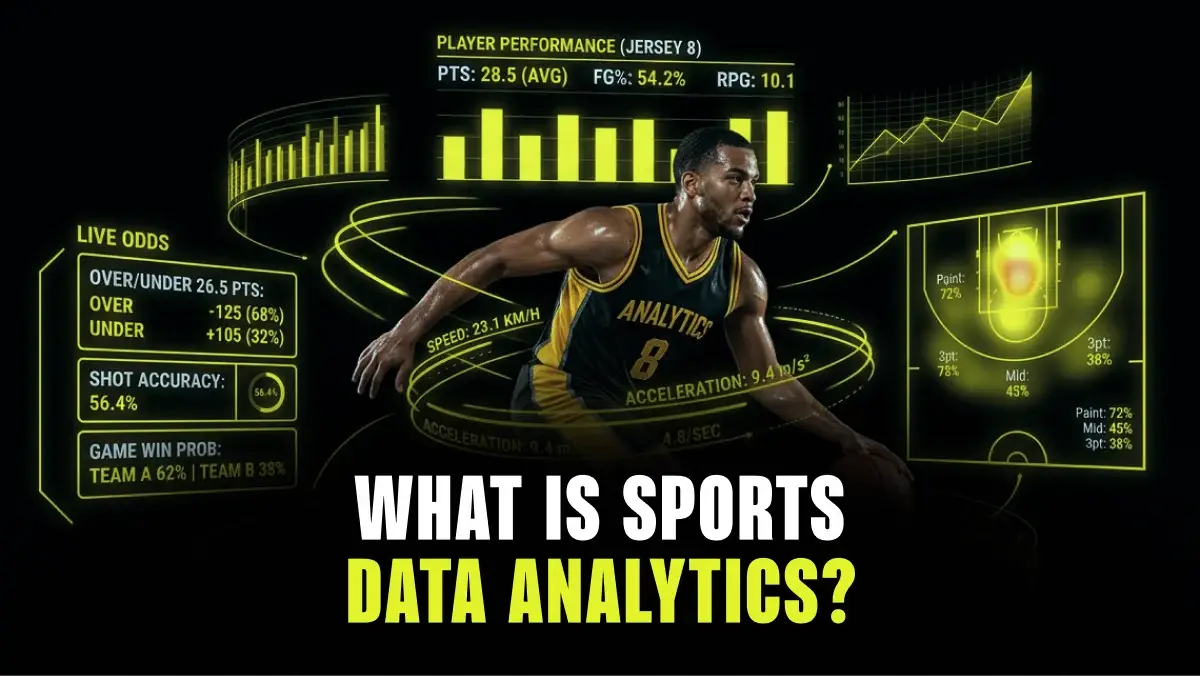
Los datos deportivos han transformado la forma en que las organizaciones deportivas y los aficionados interactúan con el deporte. Más del 75 % de los equipos deportivos profesionales utilizan hoy en día análisis en tiempo real para mejorar su estrategia durante los partidos. Aunque las casas de apuestas utilizan diferentes tipos de datos, estos son igual de importantes. Los datos son la base que sustenta todas las funciones y decisiones, desde la fijación de precios en el mercado hasta las tácticas de mitigación de riesgos. Comprender cómo extraer valor de los datos es esencial para desenvolverse en un entorno de márgenes cada vez más ajustados, mercados dinámicos y apostantes perspicaces. Esta guía explica los fundamentos del análisis de datos deportivos, las métricas que importan y el papel de la tecnología en este campo.

23 de abril de 2026
Los deportes modernos generan datos a un ritmo vertiginoso. Por ejemplo, solo LSports recopila información de más de 130 fuentes, lo que supone miles de millones de puntos de datos cada año. El volumen no deja de crecer: según el Informe Anual de Datos de LSports 2025, el consumo total de datos deportivos creció un 16 % respecto al año anterior. El mayor reto consiste en dar sentido a todos estos datos y hacerlo en tiempo real. Aquí es donde entra en juego la visualización de datos. Este proceso transforma cifras brutas, como resultados y niveles de riesgo, en formatos visuales como gráficos, mapas de calor y paneles de control. La visualización beneficia tanto a entrenadores y equipos como a los apostantes, pero su función es fundamental para las casas de apuestas. En este caso, la visualización actúa como un sistema de apoyo para la toma de decisiones rápida y precisa, la prevención de pérdidas y el éxito empresarial. Esta guía analiza la visualización de datos deportivos, cómo funciona y cómo las casas de apuestas pueden utilizarla de forma eficaz.

23 de abril de 2026
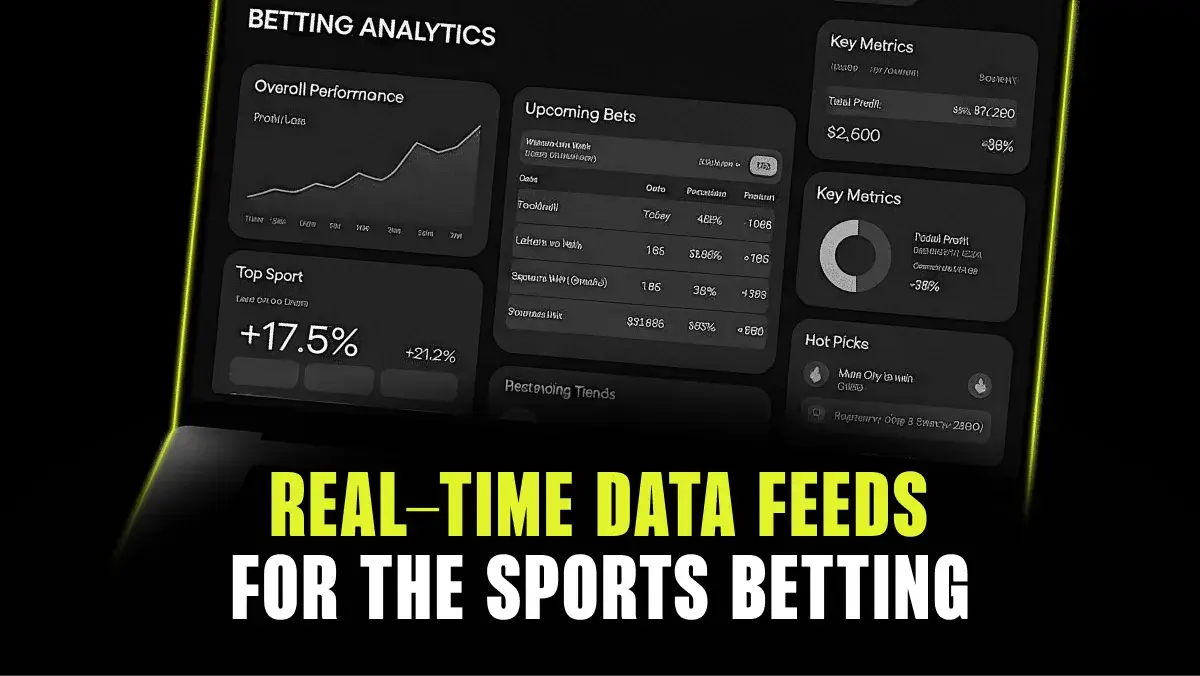
Los datos deportivos en tiempo real consisten en la transmisión continua e instantánea de eventos, resultados y estadísticas a medida que se producen durante los partidos. Pero para los operadores de apuestas deportivas, son mucho más que eso. Son el motor que impulsa todo, desde los ajustes de cuotas en directo hasta los controles de riesgo. Las apuestas en directo representan ahora la mayor parte del volumen global de apuestas, y las microapuestas están ganando cada vez más popularidad. Como resultado, el margen de error nunca ha sido tan reducido. Las fuentes de datos en tiempo real son un requisito básico para cualquier casa de apuestas que pretenda crecer en 2026. Este artículo sirve para recordar por qué los datos deportivos son importantes para las casas de apuestas. Repasaremos las ventajas operativas, financieras y competitivas de trabajar con datos en directo de alta calidad.
23 de abril de 2026
Las apuestas en directo y las microapuestas ya no son funciones que los operadores puedan considerar meros complementos. Se han convertido en algo imprescindible. A medida que las apuestas en directo siguen creciendo, la velocidad y la calidad de los datos que alimentan esos mercados han adquirido tanta importancia como las propias cuotas. Una encuesta realizada en el Reino Unido en 2025 reveló que más de una cuarta parte de los apostantes están dispuestos a cambiar de plataforma debido a la lentitud de la tecnología. Este artículo analiza la importancia de los flujos de datos en tiempo real para la experiencia de las apuestas deportivas y las medidas que puedes tomar para garantizar el éxito.

29 de abril de 2026
Las cuotas dinámicas en las apuestas deportivas son ajustes en tiempo real que realizan las plataformas de apuestas en función de lo que ocurre en los partidos en directo, el rendimiento de los jugadores y los cambios en los patrones de apuesta de los usuarios. Los estudios demuestran que, en muchos mercados, más del 60 % de las apuestas se realizan durante el desarrollo del partido, lo que pone de relieve la importancia que han adquirido las apuestas en directo en las plataformas modernas. En este artículo, analizaremos todo lo que necesitas saber sobre las cuotas dinámicas para que puedas crear sistemas de apuestas en tiempo real más ágiles, precisos y competitivos.

6 de mayo de 2026
Las apuestas deportivas online han pasado de ser una actividad de nicho a convertirse en un sector en auge que gestiona más de 50 mil millones en apuestas cada año. Las apuestas en directo, en particular, representan ahora la mayor parte del volumen de negocio de las apuestas deportivas en todo el mundo. Esta tendencia plantea un reto operativo directo: hay que gestionar más eventos, más mercados y más cambios de cuotas por segundo. Para estar a la altura, necesitas una API de cuotas (interfaz de programación de aplicaciones) sólida. Se trata de una capa de software que conecta los motores de fijación de cuotas con tu plataforma de apuestas. Tanto si vas a lanzar una nueva casa de apuestas como si vas a optimizar una ya existente, es fundamental comprender cómo funcionan las API de cuotas y qué las hace eficaces. Esta guía sobre API de cuotas lo explica todo, desde los conceptos básicos hasta la selección de proveedores.
11 de mayo de 2026
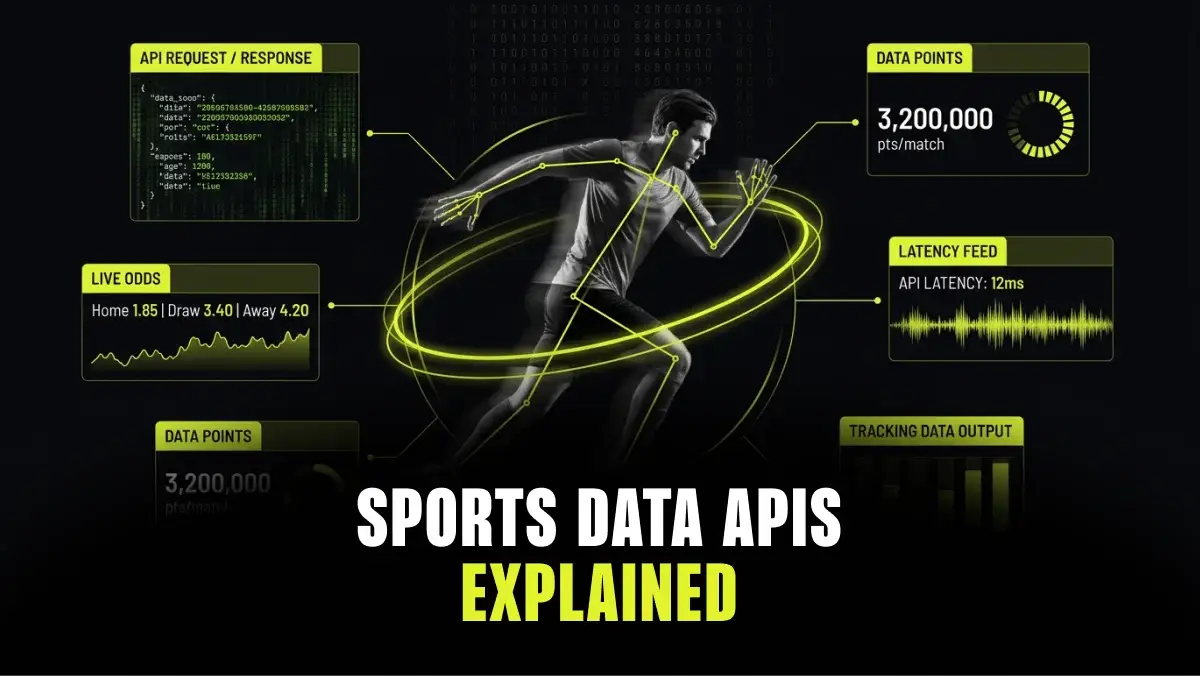
Las API de datos deportivos (a menudo denominadas API de casas de apuestas o de cuotas) son herramientas que permiten a las plataformas de apuestas, las aplicaciones y los desarrolladores conectarse directamente a los sistemas de información deportiva y acceder a resultados, estadísticas y cuotas en tiempo real mediante solicitudes de datos estructurados. Estudios recientes muestran que los sistemas de seguimiento óptico de ligas como la Premier League pueden generar alrededor de 3,2 millones de puntos de datos por partido, lo que genera enormes cantidades de información que pueden distribuirse a través de estas API. Recibir estos datos en tiempo real te permite, como casa de apuestas, actualizar las cuotas al instante, gestionar el riesgo y ofrecer mercados de apuestas en directo precisos durante los partidos. En este artículo, aprenderás todo lo que necesitas saber sobre las API de datos deportivos para que puedas comprender cómo funcionan y cómo impulsan los sistemas deportivos y de apuestas modernos.

20 de mayo de 2026
Una API de apuestas deportivas es una interfaz tecnológica que permite a las plataformas acceder a datos deportivos en tiempo real, cuotas y funcionalidades de apuestas procedentes de proveedores externos. A medida que aumenta la demanda de experiencias de apuestas rápidas, precisas y atractivas, estas API desempeñan un papel crucial en el funcionamiento de las plataformas modernas de apuestas deportivas. En este artículo, analizaremos cómo funciona la integración de una API de apuestas deportivas y qué aspectos hay que tener en cuenta a la hora de implementarla.

15 de junio de 2026
El análisis de datos de apuestas deportivas es el proceso de recopilar e interpretar datos —desde estadísticas de partidos y el rendimiento de los jugadores hasta patrones de apuestas en directo— para ayudarte, como casa de apuestas, a fijar cuotas precisas y gestionar el riesgo. Con miles de apuestas realizadas simultáneamente en múltiples mercados, incluso pequeñas ineficiencias en la fijación de cuotas pueden traducirse rápidamente en pérdidas significativas de margen. En este artículo, aprenderás todo lo que necesitas saber sobre el análisis de datos de apuestas deportivas para que puedas comprender cómo funciona y cómo puede contribuir a que las operaciones de tu casa de apuestas sean más inteligentes y eficientes.

15 de julio de 2026
Los operadores de apuestas deportivas se basan en datos históricos para comprender los resultados pasados, identificar tendencias y realizar predicciones más precisas sobre los próximos partidos. Al relacionar esos patrones con los enfrentamientos actuales, las lesiones y el estado de forma de los equipos, convierten las cifras brutas en cuotas más precisas y realistas. En este artículo, descubrirás cómo los operadores de apuestas deportivas utilizan los datos históricos y transforman los resultados pasados en información predictiva que da forma a sus cuotas.
15 de julio de 2026
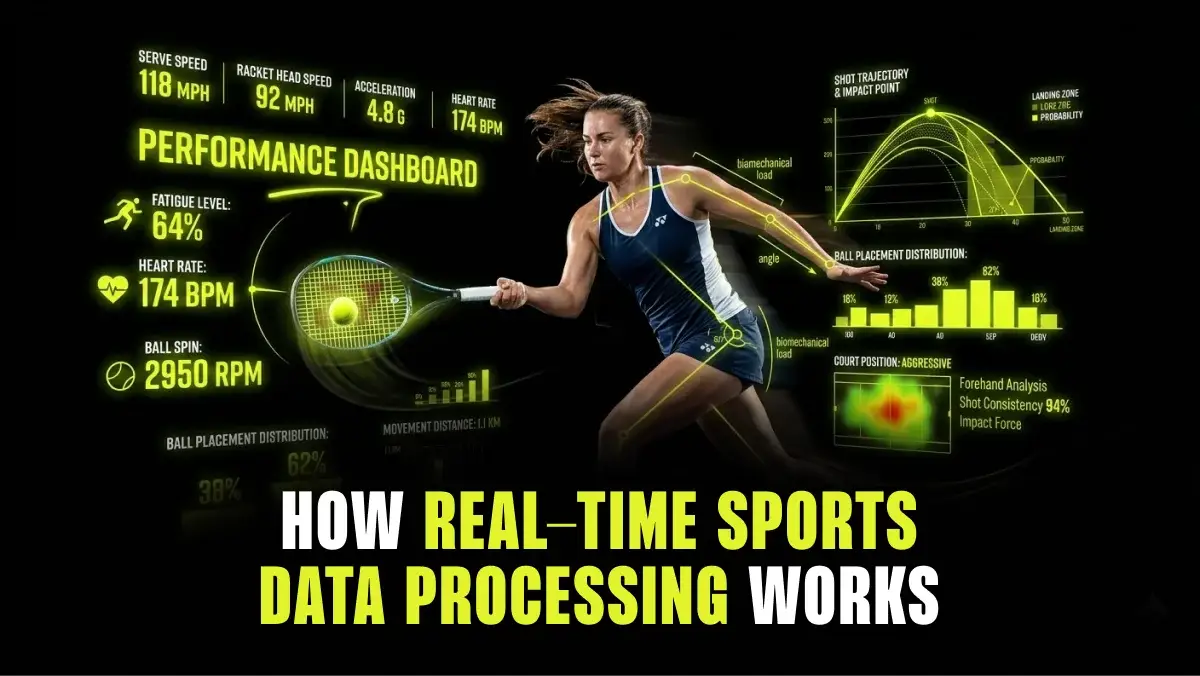
Los datos deportivos en tiempo real son el flujo continuo de información que se genera durante un partido, desde los marcadores y las estadísticas de los jugadores hasta los acontecimientos que se producen durante el partido y las variaciones en las cuotas, y que se transmiten en el momento en que ocurren. Para las casas de apuestas, estos datos son esenciales porque permiten ofrecer cuotas precisas, facilitan las apuestas en directo y ayudan a crear experiencias más rápidas y atractivas para los apostantes. Pero, ¿cómo se recopilan, procesan y transforman todos estos datos en información en tiempo real sobre la que se puede actuar al instante? En este artículo, explicaremos cómo funciona el procesamiento de datos deportivos en tiempo real, la tecnología que hay detrás y por qué es importante para las casas de apuestas modernas.

15 de julio de 2026
Las casas de apuestas obtienen beneficios fijando cuotas que incluyen un margen incorporado, lo que les garantiza obtener beneficios independientemente del resultado, al tiempo que equilibran la actividad en ambos lados del mercado. Si gestionas o estás creando una casa de apuestas, el verdadero reto va más allá de eso. Tu éxito depende de la precisión en la fijación de precios, de una gestión dinámica del riesgo y de mantener márgenes constantes sin dejar de ser rentable. En este artículo, aprenderás cómo ganan dinero las casas de apuestas para que puedas perfeccionar tus estrategias de fijación de precios, optimizar los controles de riesgo y maximizar la rentabilidad a largo plazo.

23 de julio de 2026
La inteligencia artificial está transformando las apuestas deportivas al impulsar la creación de modelos predictivos, la optimización de las cuotas en tiempo real, la detección de fraudes y las experiencias de usuario personalizadas en todas las plataformas de apuestas. Las principales casas de apuestas ya están utilizando la IA para impulsar muchas de sus estrategias de negociación, gestión de riesgos y fidelización de los usuarios, y para mantenerte competitivo, debes ponerte al día rápidamente. En este artículo, descubrirás cinco tendencias de las apuestas deportivas basadas en la IA que te permitirán mejorar la eficiencia, potenciar la experiencia de los usuarios y mantenerte a la vanguardia de la innovación en el sector.

24 de julio de 2026
Los datos ATS (Against the Spread) en las apuestas deportivas registran el rendimiento de los equipos o jugadores en relación con el margen de apuestas, lo que ofrece una visión más profunda que los simples registros de victorias y derrotas. Para las casas de apuestas y los operadores de plataformas de apuestas, comprender los datos ATS puede mejorar la fijación de cuotas, afinar el análisis de mercado y mejorar la experiencia de apuesta de los usuarios. En este artículo, descubrirás qué son los datos ATS en las apuestas deportivas y cómo pueden utilizarse para tomar decisiones más acertadas en materia de operaciones, gestión de riesgos y estrategia de la plataforma.
28 de julio de 2026
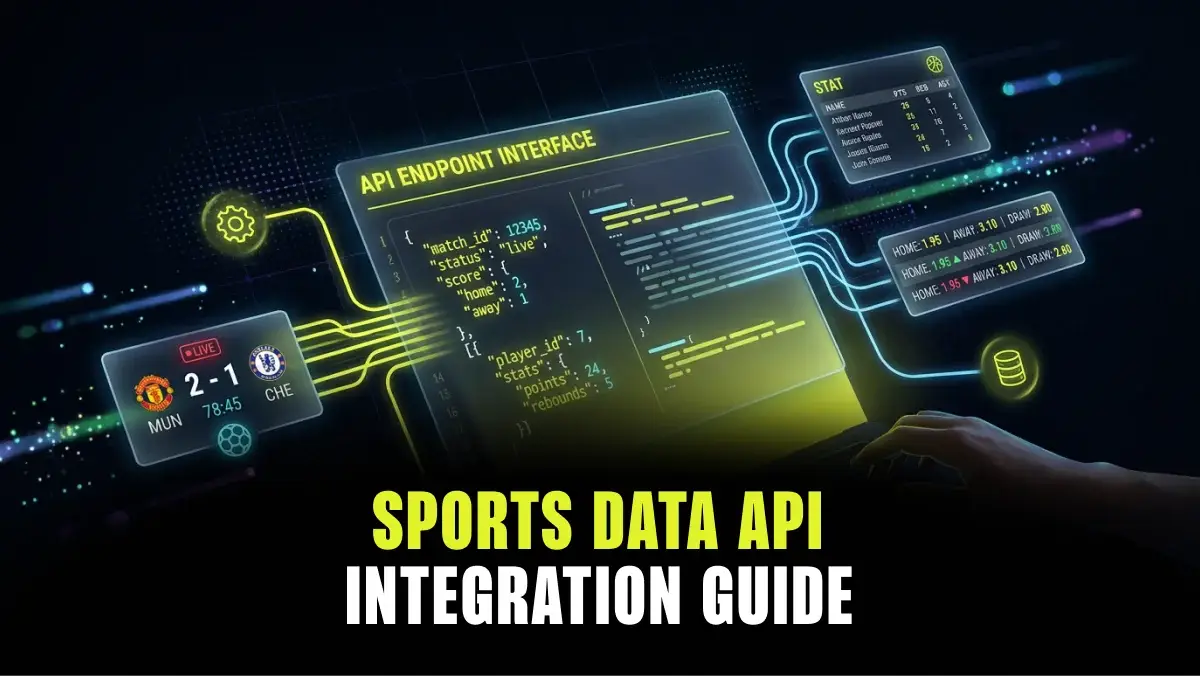
Las API de datos deportivos proporcionan acceso a información deportiva en tiempo real e histórica, incluyendo cuotas, resultados, estadísticas de jugadores y datos de eventos que alimentan las casas de apuestas y las plataformas de apuestas. Si deseas integrar estos datos en tu plataforma de apuestas, debes seguir un enfoque estructurado para garantizar un suministro de datos fiable, una implementación fluida y un rendimiento escalable. En este artículo, te explicaremos todo lo que necesitas saber sobre la integración de API de datos deportivos para que puedas ofrecer datos precisos y en tiempo real a tus usuarios.

28 de julio de 2026
Las cuotas son valores numéricos que representan la probabilidad implícita de que se produzca un evento y, al mismo tiempo, definen el premio que se ofrece a los apostantes. A medida que pases de establecer tus cuotas previas al partido a reaccionar en tiempo real durante el partido en directo, tendrás que seguir de cerca la acción, interpretar los datos que hay detrás y realizar ajustes precisos para que tus cuotas no se queden rezagadas respecto al mercado. En este artículo, aprenderás a fijar cuotas precisas para que tus líneas reflejen lo que realmente está sucediendo en el campo y te mantengas un paso por delante de los cambios repentinos.
3 de agosto de 2026
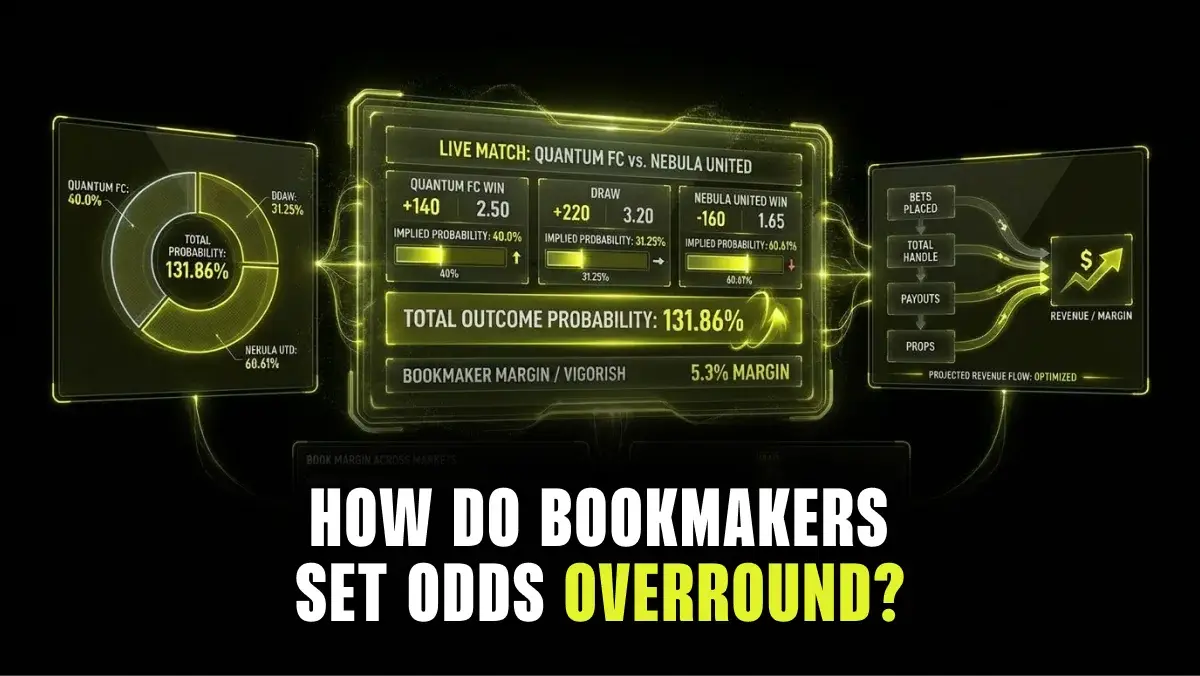
El margen de las cuotas es el margen incorporado en las cuotas de las apuestas que determina los ingresos que una casa de apuestas puede generar en un mercado. Este margen influye directamente en el volumen de apuestas, la rentabilidad y la competitividad del mercado, por lo que constituye un elemento clave de la estrategia de fijación de precios de una casa de apuestas. En este artículo, descubrirás cómo fijan las casas de apuestas el margen de las cuotas, qué factores influyen en los niveles de margen y cómo funcionan las diferentes estrategias de margen en los distintos mercados de apuestas.