2025년 9월 14일
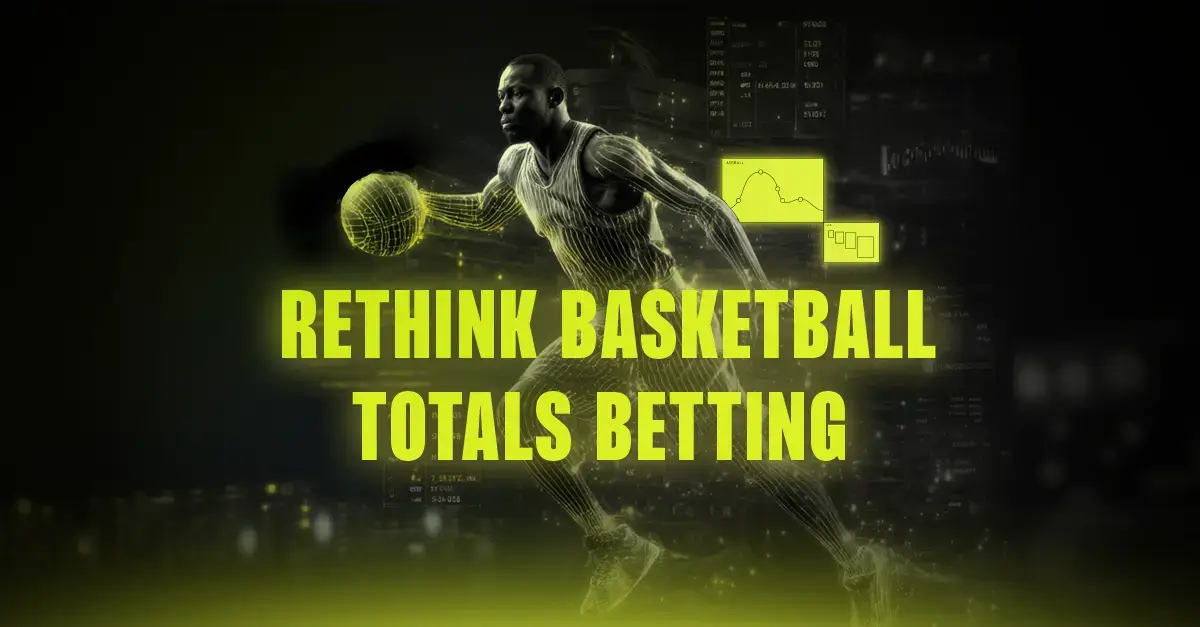
농구에서의 ‘페이스 착시 현상’: 왜 단순한 통계가 오해를 불러일으키는가
토탈 베팅자들은 종종 농구에서 가장 눈에 띄는 통계 중 하나인 ‘경기당 포제션 수’에 의존하곤 합니다. 그 논리는 명백합니다. 코트를 오가는 횟수가 많을수록 득점 기회가 늘어나고, 따라서 오버가 나올 확률도 높아질 것입니다. 하지만 이러한 단순한 접근 방식은 중요한 미묘한 차이를 간과하고 있습니다. 빠른 경기 속도가 항상 득점으로 이어지는 것은 아니며, 적절한 경기 속도 지표를 반영하지 않는 스포츠북은 시장 내 비효율성을 방치할 위험이 있습니다. 이러한 비효율성을 해결하기 위해 스포츠북은 정확한 경기 속도 지표, 맞춤형 데이터 피드, 그리고 성과를 향상시킬 수 있는 유연한 서비스를 포함하는 포괄적인 솔루션이 필요합니다.

이 기사에서
구독하기
항상 한 발 앞서 나가세요
스포츠 데이터, 베팅 동향, 업계 뉴스에 대한 최신 정보를 이메일로 바로 받아보세요.
이것은 제목입니다
Why Raw Possessions Mislead in Sports Betting
Take the 2022–23 Charlotte Hornets. They finished top five in pace, averaging over 102 possessions per game, yet ranked bottom five in offensive efficiency. The result? An Under team. Bettors and oddsmakers who focused solely on raw possessions were misled: those trips down the floor ended in missed jumpers, wasted turnovers, and low-value half-court sets.
Contrast that with the 2020–21 Brooklyn Nets. Their pace was barely league-average, but with elite shot-making and spacing, they consistently cashed overs. The lesson is clear: pace inflates volume, but efficiency and context drive totals. Sportsbook operators and their clients can significantly improve performance by prioritizing efficiency metrics and advanced data, rather than relying only on raw possession counts. This approach enables operators to deliver more accurate odds and better serve their clients with reliable, real-time information.
Which Pace Metrics Actually Matter in Basketball
Two stand out as more predictive than raw possessions:
Adjusted Pace by Offensive Efficiency: Instead of looking at possessions in a vacuum, weighting them by points per possession gives a more genuine sense of scoring potential. A “fast but empty” team like the 2023 Houston Rockets doesn’t project the same way as the “measured but lethal” 2021 Suns. Advanced tech and real-time features now enable sportsbooks to access up-to-date statistics, allowing for more accurate predictions and deeper analysis through enhanced data feeds and analytics features.
Transition Frequency and Efficiency: Fast-break possessions aren’t equal to half-court ones. Teams that thrive in transition convert speed into points, while those that push pace but rank near the bottom in transition efficiency drag totals down despite their tempo.
Cutting Through the Noise
Teams often look faster than they really are because of garbage-time possessions or fourth-quarter catch-up efforts. Accurate pace metrics are collected from 100+ live sources and delivered in real time to ensure sportsbooks have the most reliable data available. Tracking competitive pace, possessions per 48 minutes in games within 10 points, can strip out the noise and reveal a more accurate scoring environment.
The Takeaway
For sportsbooks, leaning on raw pace data is a trap. The sharper models adjust for efficiency layers: how well teams convert early offense, how their shot profiles translate to scoring (fast midrange teams rarely drive overs), and how defensive schemes bend tempo without bleeding points.
Pace sets the stage, but it doesn’t guarantee the show. The edge comes from spotting the divergence: when public bettors hammer overs on a high-possession team without accounting for offensive futility, or fade a deliberate team that quietly posts elite efficiency, books can tighten lines and manage exposure.
By understanding and addressing the specific needs of sportsbooks and collaborating with trusted partners for reliable data, operators can achieve better results, including improved retention of users and greater engagement among sports fans.
Meeting these needs with accurate data and analytics not only drives measurable results but also enhances user retention and satisfaction, ultimately boosting engagement and loyalty within the sportsbook environment.