20 de outubro de 2025
Apostas profissionais e IA: a vantagem competitiva das casas de apostas esportivas
A lacuna na personalização e na adoção de IA nas casas de apostas, em comparação com líderes tecnológicos como a Netflix ou a Amazon, é um ponto fraco evidente. Embora a automação seja generalizada, muitas funções críticas de negociação ainda dependem da inteligência humana incorporada em regras de software, em vez do aprendizado de máquina dinâmico. Essa dependência de regras codificadas rigidamente muitas vezes significa que a avaliação de risco se concentra estritamente nos 3 a 5% dos “clientes problemáticos” que causam prejuízos, ignorando os 95% dos apostadores lucrativos e as oportunidades de otimização em todo o mercado mais amplo.


Neste artigo
Inscreva-se
Fique à frente do jogo
Receba as últimas análises sobre dados esportivos, tendências de apostas e notícias do setor — diretamente na sua caixa de entrada.
Este é um título
Moving Beyond the Basics of Risk Management
The modern sports betting industry is at a pivotal crossroads. The real challenge lies not in the availability of algorithms but in how operators choose to deploy them.
Many core sportsbook functions—from automated pricing to risk assessment—are already handled by sophisticated systems. Yet, as discussed in our recent webinar “There’s No AI in Sportsbook (Yet): Why the Industry Is Behind, and How AI Will Redefine the Game“, these systems often depend on hardcoded rules rather than dynamic AI.
The result is a narrow focus on minimizing risk from the small fraction of damaging customers while missing opportunities to enhance profits across the majority of players, who also often cross-sell into casino products.
The Value of “Testing in Production”
To truly unlock AI’s potential, sportsbooks must adopt a mindset shift. One provocative insight from the webinar emphasized embracing the sharps—expert bettors who exploit weak lines—as part of the system’s learning process.
Traditionally viewed as a liability, sharps can act as a real-time feedback loop, helping to balance odds and spot anomalies faster than internal systems alone. For instance, if a sportsbook only offers overs on volatile markets like shots on target, it misses the chance to learn from bets on the unders.
The Bottom Line
The message is clear: operators may need to sustain temporary losses—essentially “paying customers”—if it provides valuable data to refine AI models. This approach, known as testing in production, uses high-volume, informed bets to improve accuracy, adaptability, and operational excellence.
While speed and data accuracy remain crucial, the next frontier is a philosophy where competitive market interactions drive risk system evolution. The true edge belongs to the operator who learns from every single bet, no matter how sharp the customer.
For more insights on the future of data and AI in sports betting, watch the full webinar – There’s No AI in Sportsbook (Yet): Why the Industry Is Behind, and How AI Will Redefine the Game.
Artigos relacionados

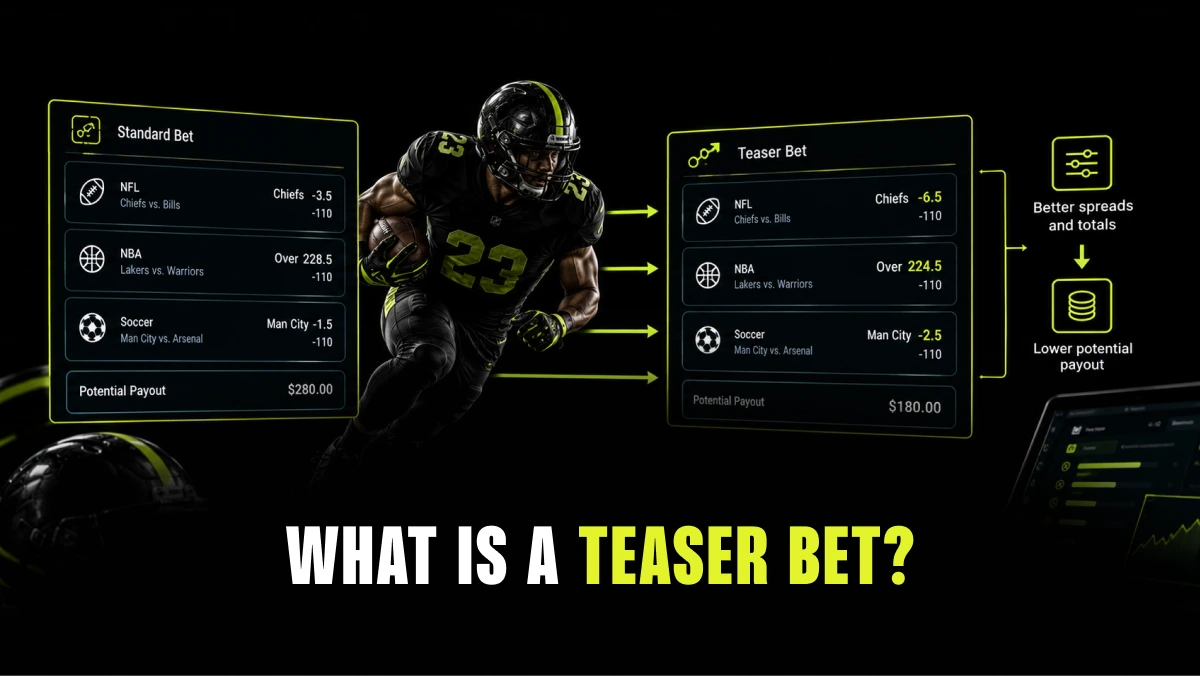
28 de outubro de 2026
Saiba o que é uma aposta “teaser”, como funcionam os ajustes de pontos e a definição de preços, e como as casas de apostas gerenciam o risco e as margens das apostas “teaser”, com exemplos claros.



1º de novembro de 2026
Minha sexta edição da G2E: o que os operadores de apostas esportivas discutiram na G2E 2026, desde a regulamentação dos mercados de previsão até novos produtos, novos esportes e uma perspectiva de crescimento para 2027.



18 de setembro de 2026
Descubra os métodos de coleta de dados esportivos para que você possa escolher a abordagem certa, melhorar a qualidade dos dados, agilizar a definição das cotações e aprimorar as experiências de apostas.

2 de abril de 2023
Um dos elementos-chave para o sucesso nas apostas esportivas é compreender as cotações. As cotações de apostas são utilizadas para indicar a probabilidade de um determinado resultado em um evento esportivo e servem para determinar o ganho potencial de uma aposta. Compreender as cotações das apostas esportivas é fundamental para tomar decisões de aposta bem informadas. Ao entender a probabilidade de um determinado resultado e o ganho potencial, você pode decidir se vale a pena fazer uma aposta. Sem compreender as cotações, você pode fazer apostas com poucas chances de sucesso ou que ofereçam um retorno insatisfatório. Este artigo apresentará as cotações das apostas esportivas, explicará como interpretá-las e discutirá os diferentes tipos de apostas disponíveis.
18 de julho de 2023
As apostas esportivas são uma atividade apreciada por milhões de pessoas em todo o mundo. Além da oportunidade de obter lucros financeiros, elas proporcionam aos apostadores emoção e satisfação imediata. As cotações de apostas são a base sobre a qual essa experiência se constrói, mas você já se perguntou como essas cotações são determinadas? Neste artigo, vamos abrir os bastidores e descobrir o fascinante mundo das casas de apostas e como elas chegam a esses números que nos deixam todos empolgados.

30 de julho de 2024
No agitado mundo das apostas esportivas, a liquidação da aposta é o momento da verdade. É quando uma aposta é formalmente declarada como ganha ou perdida, e os ganhos — ou perdas — são contabilizados. A experiência dos seus apostadores depende totalmente dessa técnica aparentemente básica. Afinal, quem quer ficar na expectativa, sem saber se ganhou ou não?

19 de novembro de 2024
A informação é a moeda mágica do setor de apostas esportivas online e determinará o sucesso da sua casa de apostas. Para sobreviver nesse mercado, você precisa ter um fluxo constante de informações em tempo real sobre diversos eventos esportivos em andamento e estar pronto para tomar decisões instantâneas com base nessas atualizações. Não dá para errar, pois um único erro pode custar a reputação da sua casa de apostas. Sabemos que, a partir daí, tudo só vai piorar. Então, como você obtém esses fluxos vitais de dados para administrar uma plataforma de sucesso? É aí que entram os feeds de dados esportivos. As casas de apostas mais bem-sucedidas contam com provedores de dados de qualidade para obter informações e atualizações instantâneas sobre eventos esportivos em andamento. Essas operadoras usam os dados para ajustar seus feeds de odds e mercados de modo a corresponder às realidades atuais e manter a confiança dos apostadores.

19 de maio de 2025
Os dados de apostas ao vivo se tornaram um pilar fundamental das casas de apostas modernas, transformando as apostas passivas em experiências dinâmicas e interativas que aumentam significativamente o engajamento dos usuários e a lucratividade. Ao aproveitar dados esportivos em tempo real e APIs avançadas para cotações de apostas, as operadoras podem oferecer cotações atualizadas continuamente, sugestões personalizadas de apostas e opções de microapostas que mantêm os usuários ativos durante todo o evento. Isso não apenas aumenta o volume de apostas e reduz a rotatividade, mas também permite uma gestão mais inteligente das margens. À medida que as casas de apostas adotam análises preditivas e feeds de dados baseados em IA, o uso estratégico de dados em tempo real se destaca como um fator essencial para a vantagem competitiva e o crescimento de longo prazo.

15 de julho de 2025
Tudo o que Arpad Elo queria era melhorar a forma como os jogadores de xadrez eram classificados nos EUA. Professor de física e jogador competitivo de xadrez, Elo fazia parte da Federação de Xadrez dos EUA na década de 1950, quando esta começou a buscar um método de classificação estatisticamente mais sólido. Até então, os jogadores ganhavam pontos com base no desempenho nos torneios em relação à força média de seus adversários — um método razoável, mas não isento de falhas. O mundo do xadrez queria algo mais preciso, mais preditivo. Em 1960, o sistema de Elo foi adotado e ainda hoje é conhecido como Classificação Elo.

14 de setembro de 2025
Quem aposta em totais costuma se basear em uma das estatísticas mais visíveis do basquete: as posses de bola por partida. A lógica é óbvia: mais jogadas de ataque devem significar mais oportunidades de pontuação e, portanto, maior probabilidade de o total de pontos ultrapassar o previsto. Mas esse raciocínio simplista ignora nuances essenciais. Um ritmo acelerado nem sempre se traduz em pontos, e as casas de apostas que não se ajustam às métricas corretas de ritmo correm o risco de deixar ineficiências no placar. Para lidar com essas ineficiências, as casas de apostas precisam de soluções avançadas e de uma oferta abrangente que inclua métricas precisas de ritmo, feeds de dados personalizados e serviços flexíveis para aprimorar seu desempenho.

25 de setembro de 2025
Um tenista pode sacar melhor do que seu adversário, acertar mais bolas vencedoras, cometer menos erros, converter mais pontos de quebra e, mesmo assim, perder. Como isso é possível? Pode ser simplesmente porque o jogador não se destacou quando mais importava. “Todo esporte gira em torno de números. Quantos pontos você marcou, quantas vitórias… É como assistir a uma partida de blackjack e contar cartas. Depois de aprender a contar, você voltaria a confiar apenas na intuição?” Essa citação, de Billy Beane, a figura por trás da revolução “Moneyball” no beisebol americano, captura perfeitamente a lógica da análise esportiva em uma única frase. Desde o início dos anos 2000, essa abordagem se espalhou por todos os esportes ao redor do mundo. A ciência oferece ferramentas comprovadas empiricamente para ajudar a decidir partidas, selecionar a escalação certa e adotar as táticas mais eficazes; então, por que não usá-las?
20 de outubro de 2025
A lacuna na personalização e na adoção de IA nas casas de apostas, em comparação com líderes tecnológicos como a Netflix ou a Amazon, é um ponto fraco evidente. Embora a automação seja generalizada, muitas funções críticas de negociação ainda dependem da inteligência humana incorporada em regras de software, em vez do aprendizado de máquina dinâmico. Essa dependência de regras codificadas rigidamente muitas vezes significa que a avaliação de risco se concentra estritamente nos 3 a 5% dos “clientes problemáticos” que causam prejuízos, ignorando os 95% dos apostadores lucrativos e as oportunidades de otimização em todo o mercado mais amplo.

3 de fevereiro de 2026
O aprendizado de máquina (ML) transformou o mercado de apostas em odds na última década, ajudando as casas de apostas a operar com mais rapidez, em maior escala e com margens mais apertadas. Para operadores experientes, o debate já não gira em torno de se o ML agrega valor. É evidente que sim. A questão mais importante é em que áreas o aprendizado de máquina oferece resultados confiáveis e em quais o julgamento humano ainda desempenha um papel decisivo. Compreender esse equilíbrio é o que diferencia as operações de trading maduras do restante do mercado.
1º de abril de 2026
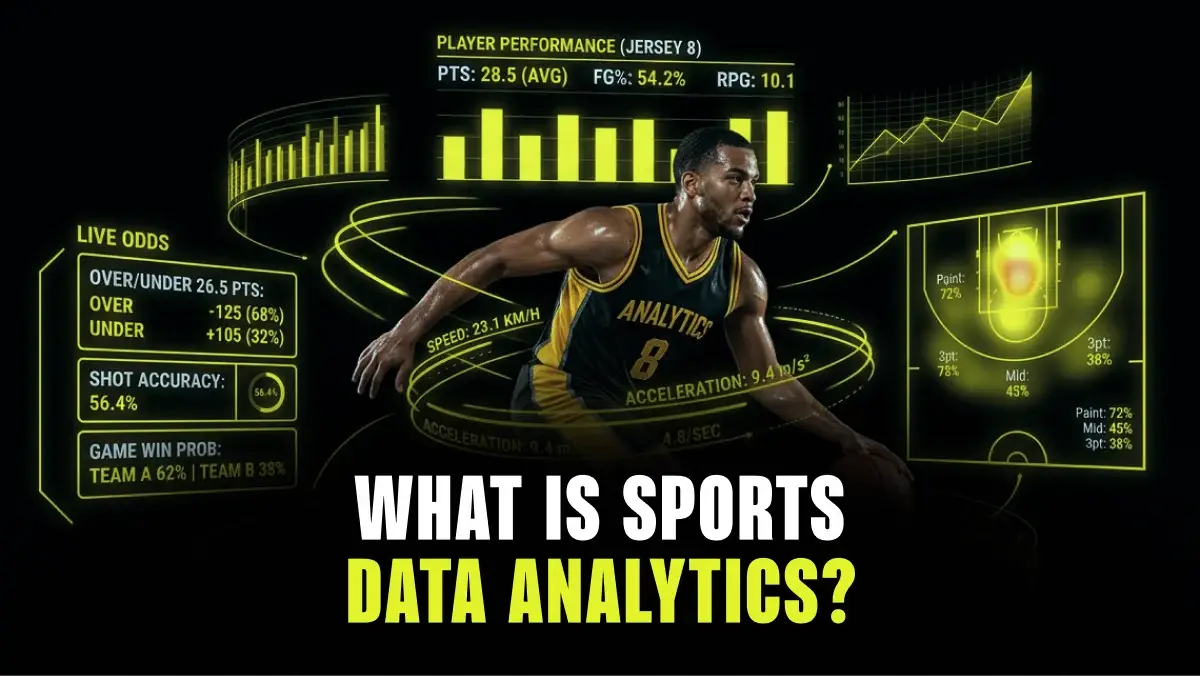
Os dados esportivos transformaram a forma como as organizações esportivas e os torcedores interagem com o esporte. Atualmente, mais de 75% das equipes esportivas profissionais utilizam análises em tempo real para aprimorar suas estratégias durante as partidas. Embora as casas de apostas utilizem diferentes tipos de dados, eles são igualmente importantes. Os dados são a base que sustenta todos os recursos e decisões, desde a definição de preços de mercado até as táticas de mitigação de riscos. Entender como extrair valor dos dados é essencial para lidar com margens cada vez mais apertadas, mercados dinâmicos e apostadores experientes. Este guia explica os fundamentos da análise de dados esportivos, as métricas que importam e o papel da tecnologia nessa área.

23 de abril de 2026
Os esportes modernos geram dados a um ritmo impressionante. Por exemplo, só a LSports coleta informações de mais de 130 fontes, o que equivale a bilhões de pontos de dados a cada ano. O volume está aumentando cada vez mais: de acordo com o Relatório Anual de Dados da LSports 2025, o consumo geral de dados esportivos cresceu 16% em relação ao ano anterior. O maior desafio é dar sentido a todos esses dados e fazê-lo em tempo real. É aí que entra a visualização de dados. Esse processo transforma números brutos, como placares e níveis de risco, em formatos visuais, como gráficos, mapas de calor e painéis de controle. A visualização beneficia treinadores, equipes e apostadores, mas sua função é ainda mais crucial para as casas de apostas. Nesse caso, a visualização atua como um sistema de apoio para a tomada de decisões rápidas e precisas, a prevenção de perdas e o sucesso dos negócios. Este guia explora a visualização de dados esportivos, como ela funciona e como as casas de apostas podem utilizá-la de forma eficaz.

23 de abril de 2026
Dados esportivos em tempo real são a transmissão contínua e instantânea de eventos, placares e estatísticas à medida que ocorrem durante as partidas. Mas, para os operadores de apostas esportivas, isso significa muito mais. É o combustível que impulsiona tudo, desde ajustes de odds durante a partida até controles de risco. As apostas ao vivo agora representam a maior parte do volume global de apostas, e as microapostas estão se tornando cada vez mais populares. Como resultado, a margem para erros nunca foi tão estreita. Feeds em tempo real são um requisito básico para qualquer casa de apostas que pretenda crescer em 2026. Este artigo serve como um lembrete de por que os dados esportivos são importantes para as casas de apostas. Vamos recapitular as vantagens operacionais, financeiras e competitivas de trabalhar com dados ao vivo de alta qualidade.
23 de abril de 2026
As apostas ao vivo e as microapostas não são mais recursos que as operadoras podem tratar como complementos. Elas são uma expectativa. À medida que as apostas ao vivo continuam a crescer, a velocidade e a qualidade dos dados que alimentam esses mercados tornaram-se tão importantes quanto as próprias cotações. Uma pesquisa realizada no Reino Unido em 2025 revelou que mais de um quarto dos apostadores está disposto a trocar de plataforma devido à lentidão da tecnologia. Este artigo examina a importância dos feeds de dados em tempo real para a experiência de apostas esportivas e as medidas que você pode tomar para garantir o sucesso.

29 de abril de 2026
As cotações dinâmicas nas apostas esportivas são ajustes em tempo real feitos pelas plataformas de apostas com base nos eventos das partidas ao vivo, no desempenho dos jogadores e nas mudanças nos padrões de aposta dos usuários. Estudos mostram que, em muitos mercados, mais de 60% das apostas são feitas durante o jogo ao vivo, destacando o quão essenciais as apostas ao vivo se tornaram para as plataformas modernas. Neste artigo, exploraremos tudo o que você precisa saber sobre cotações dinâmicas para que possa desenvolver sistemas de apostas em tempo real mais ágeis, precisos e competitivos.
6 de maio de 2026
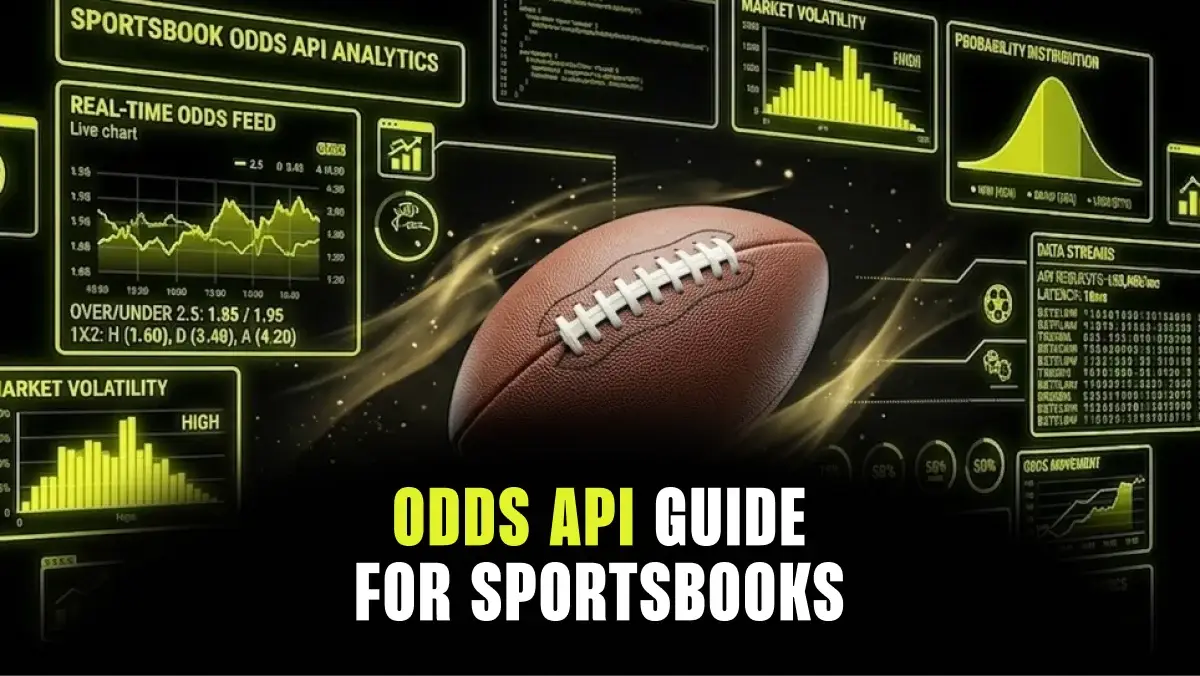
As apostas esportivas online deixaram de ser uma atividade de nicho para se tornarem um setor em franca expansão, processando bem mais de 50 bilhões em apostas a cada ano. As apostas ao vivo, em particular, representam hoje a maior parte do volume de negócios das apostas esportivas em todo o mundo. Essa tendência gera um desafio operacional direto: mais eventos, mais mercados e mais alterações de cotações por segundo para gerenciar. Para acompanhar esse ritmo, você precisa de uma API de cotações (interface de programação de aplicativos) robusta. Trata-se de uma camada de software que conecta os mecanismos de precificação à sua plataforma de apostas. Seja para lançar uma nova casa de apostas ou otimizar uma já existente, é essencial entender como as APIs de odds funcionam e o que as torna eficazes. Este guia sobre APIs de odds explica tudo detalhadamente, desde os fundamentos até a seleção do provedor.
11 de maio de 2026
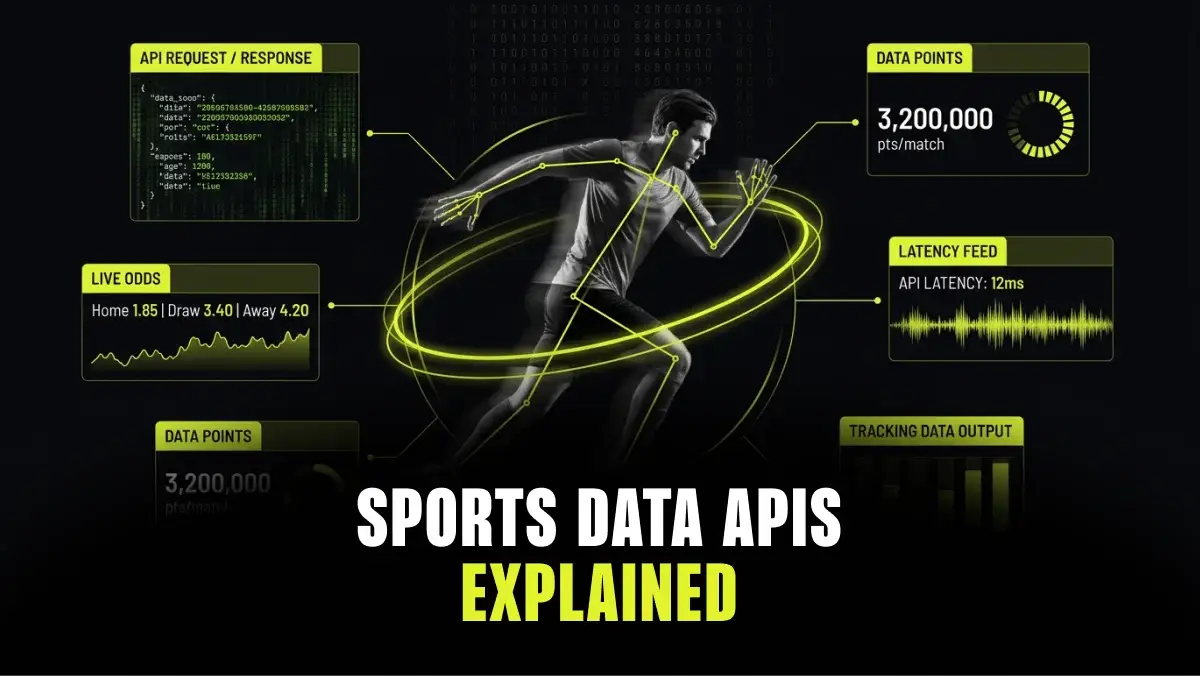
As APIs de dados esportivos (frequentemente chamadas de APIs de apostas esportivas ou de cotações) são ferramentas que permitem que plataformas de apostas, aplicativos e desenvolvedores se conectem diretamente a sistemas de informações esportivas e acessem placares, estatísticas e cotações em tempo real por meio de solicitações de dados estruturadas. Estudos recentes mostram que sistemas de rastreamento óptico em ligas como a Premier League podem gerar cerca de 3,2 milhões de pontos de dados por partida, criando enormes quantidades de informações que podem ser distribuídas por meio dessas APIs. Receber esses dados em tempo real permite que você, como operadora de apostas esportivas, atualize as cotações instantaneamente, gerencie riscos e ofereça mercados precisos de apostas ao vivo durante as partidas. Neste artigo, você aprenderá tudo o que precisa saber sobre APIs de dados esportivos para entender como elas funcionam e como impulsionam os sistemas modernos de esportes e apostas.

20 de maio de 2026
Uma API de apostas esportivas é uma interface tecnológica que permite que as plataformas acessem dados esportivos em tempo real, cotações e funcionalidades de apostas de provedores externos. À medida que cresce a demanda por experiências de apostas rápidas, precisas e envolventes, essas APIs desempenham um papel crucial no funcionamento das plataformas modernas de apostas esportivas. Neste artigo, vamos explicar como funciona a integração de uma API de apostas esportivas e o que você precisa levar em consideração ao implementá-la.
15 de junho de 2026
A análise de dados de apostas esportivas é o processo de coleta e interpretação de dados — desde estatísticas de partidas e desempenho dos jogadores até padrões de apostas ao vivo — para ajudar você, como operadora de apostas esportivas, a definir cotações precisas e gerenciar riscos. Com milhares de apostas realizadas simultaneamente em vários mercados, mesmo pequenas ineficiências na definição de odds podem se traduzir rapidamente em perdas significativas de margem. Neste artigo, você aprenderá tudo o que precisa saber sobre a análise de dados de apostas esportivas para entender como ela funciona e como pode apoiar operações mais inteligentes e eficientes da sua casa de apostas.
15 de julho de 2026
As operadoras de apostas esportivas se baseiam em dados históricos para compreender resultados anteriores, identificar tendências e fazer previsões mais precisas sobre jogos futuros. Ao relacionar esses padrões com os confrontos atuais, lesões e desempenho dos times, elas transformam números brutos em cotações mais precisas e realistas. Neste artigo, você aprenderá como as operadoras de apostas esportivas utilizam dados históricos e transformam desempenhos passados em insights preditivos que moldam suas cotações.
15 de julho de 2026
Dados esportivos em tempo real são o fluxo contínuo de informações geradas durante uma partida, desde placares e estatísticas dos jogadores até eventos em andamento e variações nas cotações, transmitidos no momento em que ocorrem. Para as casas de apostas, esses dados são essenciais, pois permitem o cálculo de cotações precisas, possibilitam as apostas ao vivo e ajudam a criar experiências mais rápidas e envolventes para os apostadores. Mas como todos esses dados são capturados, processados e transformados em insights em tempo real que permitem uma ação imediata? Neste artigo, explicaremos como funciona o processamento de dados esportivos em tempo real, a tecnologia por trás disso e por que isso é importante para as casas de apostas modernas.

15 de julho de 2026
As casas de apostas lucram ao definir cotações que incluem uma margem embutida, garantindo lucro independentemente do resultado e, ao mesmo tempo, equilibrando as apostas em ambos os lados do mercado. Se você opera ou está desenvolvendo uma casa de apostas esportivas, o verdadeiro desafio vai além disso. Seu sucesso depende da precisão na definição de preços, da gestão dinâmica de riscos e da manutenção de margens consistentes, sem deixar de ser lucrativo. Neste artigo, você aprenderá como as casas de apostas lucram para que possa aprimorar suas estratégias de precificação, otimizar os controles de risco e maximizar a lucratividade a longo prazo.

23 de julho de 2026
A inteligência artificial está transformando as apostas esportivas ao impulsionar a modelagem preditiva, a otimização de cotações em tempo real, a detecção de fraudes e experiências personalizadas para os usuários em todas as plataformas de apostas. As principais casas de apostas já estão utilizando a IA para impulsionar muitas de suas estratégias de negociação, gestão de riscos e engajamento dos usuários; e, para se manter competitivo, é preciso se atualizar rapidamente. Neste artigo, você conhecerá cinco tendências de IA nas apostas esportivas para que possa melhorar a eficiência, aprimorar as experiências dos usuários e se manter à frente das inovações do setor.
24 de julho de 2026
Os dados ATS (Against the Spread) nas apostas esportivas acompanham o desempenho de times ou jogadores em relação ao spread das apostas, oferecendo uma visão mais aprofundada do que apenas os registros de vitórias e derrotas. Para casas de apostas e operadores de plataformas de apostas, compreender os dados ATS pode melhorar a definição de odds, aprimorar a análise de mercado e aprimorar a experiência de aposta dos usuários. Neste artigo, você aprenderá o que são os dados ATS nas apostas esportivas e como eles podem ser usados para orientar negociações mais inteligentes, a gestão de riscos e a estratégia da plataforma.
28 de julho de 2026
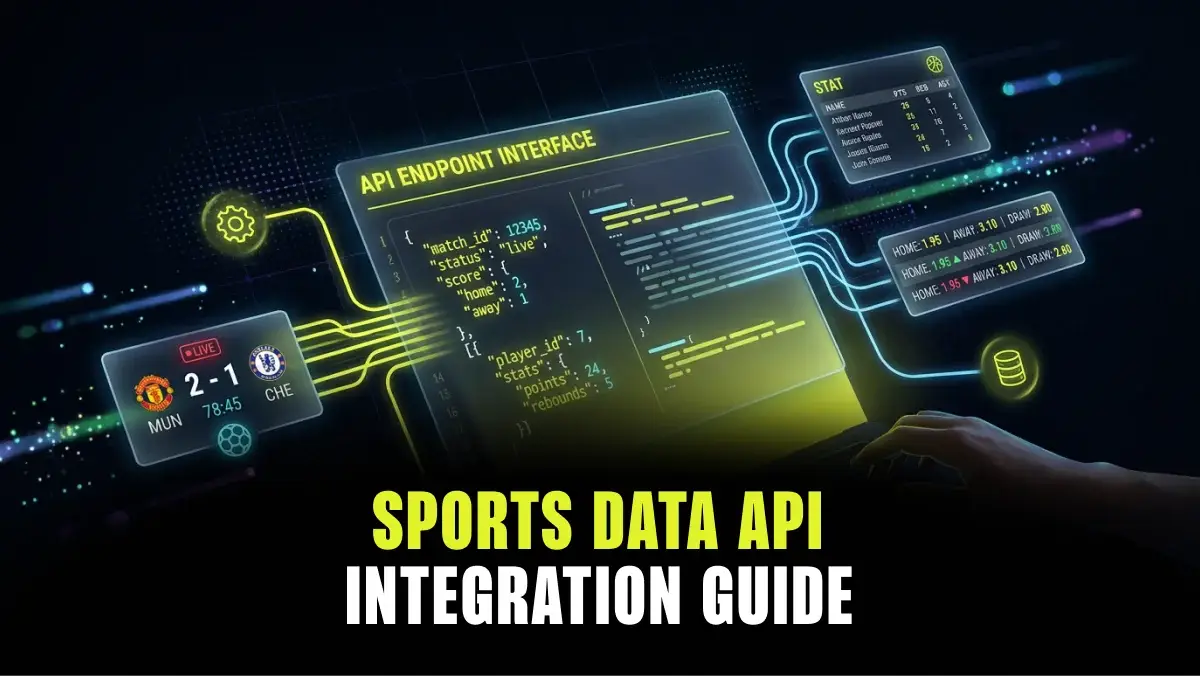
As APIs de dados esportivos fornecem acesso a informações esportivas em tempo real e históricas, incluindo cotações, placares, estatísticas de jogadores e dados de eventos que alimentam casas de apostas e plataformas de apostas. Se você deseja integrar esses dados à sua plataforma de apostas, é necessário seguir uma abordagem estruturada para garantir o fornecimento confiável de dados, uma implementação tranquila e um desempenho escalável. Neste artigo, explicaremos tudo o que você precisa saber sobre a integração de APIs de dados esportivos para que você possa fornecer dados precisos e em tempo real aos seus usuários.

28 de julho de 2026
As cotações são valores numéricos que representam a probabilidade implícita de um evento, ao mesmo tempo em que definem o prêmio oferecido aos apostadores. À medida que você passa da definição das linhas antes do jogo para a reação em tempo real durante a partida ao vivo, precisará acompanhar de perto a ação, analisar os dados por trás dela e fazer ajustes precisos para que suas odds não fiquem atrás do mercado. Neste artigo, você aprenderá a definir odds precisas para que suas linhas reflitam o que realmente está acontecendo em campo e se mantenham um passo à frente de mudanças repentinas.
3 de agosto de 2026
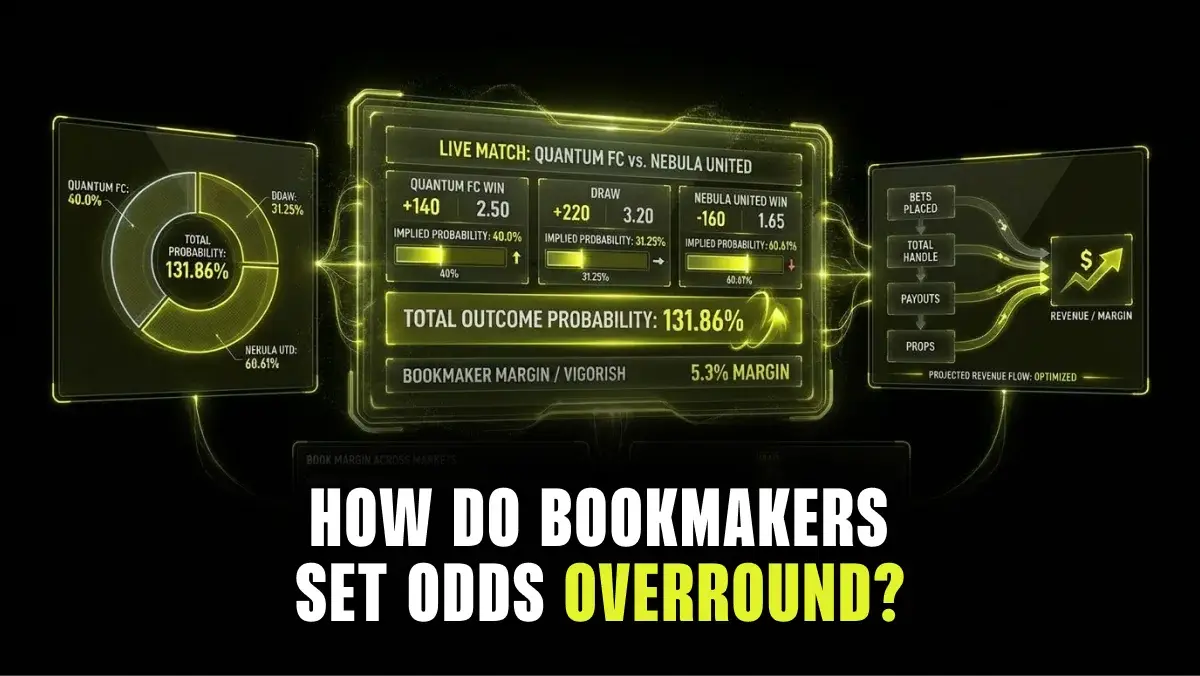
A margem das cotações (overround) é a margem incorporada às cotações de apostas que determina quanto de receita uma casa de apostas pode gerar em um determinado mercado. A margem das cotações influencia diretamente o volume de apostas, a lucratividade e a competitividade do mercado, por isso é um elemento fundamental da estratégia de precificação de uma casa de apostas. Neste artigo, você aprenderá como as casas de apostas definem a margem das cotações, quais fatores influenciam os níveis dessa margem e como diferentes estratégias de margem funcionam nos diversos mercados de apostas.