25 de noviembre de 2025
¿El trono del fútbol bajo presión? Cambios en las tendencias de apuestas del tercer trimestre
Durante años, el fútbol ha dominado el panorama mundial de las apuestas deportivas casi sin rival. Sin embargo, los últimos datos del tercer trimestre de 2025 apuntan a un cambio que merece la pena seguir de cerca: no se trata de un destronamiento, sino de una diversificación. Las cifras muestran que los apostantes —y, a su vez, las casas de apuestas— están ampliando gradualmente su interés a una gama más amplia de deportes, ligas y regiones que nunca. No se trata solo de una anomalía estacional, sino de una tendencia que podría redefinir la forma en que los operadores conciben la participación, la distribución de contenidos y la inversión en datos.


En este artículo
Suscríbete
Ve un paso por delante
Recibe las últimas novedades sobre datos deportivos, tendencias en apuestas y noticias del sector, directamente en tu bandeja de entrada.
Este es un título
The Expanding Field: More Sports, More Opportunities
While football remains dominant, accounting for record-breaking demand with a 20% YoY growth and 6.5 million ordered fixtures, other sports are quietly closing the gap.
Basketball emerged as the quarter’s breakout performer, up an impressive 58% YoY, surpassing football in this category for the first time. This surge was fueled by the EuroBasket and a growing appetite for NBA Summer League action. Esports (+41%) and Ice Hockey (+37%) followed closely, proving their ability to deliver steady engagement even outside traditional peak seasons.
The data also shows that for the first time, five non-football leagues broke into the global top 20 by fixture demand — including MLB, WNBA, and NHL. The message is clear: bettors now expect variety, and operators who can offer it are better positioned to capture sustained activity.
Football’s Inner Power Shifts
Even within football, the balance of power is subtly changing. UEFA competitions such as the Europa League, Champions League, and Conference League all climbed the engagement rankings — a sign that continental matchups are capturing attention once dominated by domestic leagues.
Meanwhile, Serie A and the Bundesliga saw declines in relative demand, while LaLiga and the Premier League tightened their hold on the top spots.
Beyond the Mainstream: Tennis and the Niche Surge
Tennis continued its rise, not only through Grand Slams but through the WTA circuit, with five events entering the quarter’s top-10 list. Even more telling is where this growth is happening: data demand for tennis shot up 56% in North America and 44% in Latin America, showing how fast the sport is expanding its footprint beyond Europe.
At the same time, smaller markets are becoming surprisingly big business. Table Tennis exceeded 4 million fixtures for the first time, Simulated Esports grew 50%, and regional basketball leagues such as the IPBL recorded double-digit gains. These trends highlight a growing appetite for high-frequency, lower-saturation events — a key opportunity for margin optimization.
The Bigger Picture
What emerges from Q3 is not the fall of football — but the rise of everything else. Sportsbooks are no longer just competing on who offers the most football markets; they’re competing on who understands where engagement is heading next.
These findings come from LSports’ Q3 2025 Sports Data Report, which analyzes consumption data from over 450 global sportsbooks to map market shifts, emerging sports, and operator performance.
If you’re shaping your strategy for 2026, it’s worth diving into the full data set.
👉 Download the full Q3 2025 Sports Data Report → King Football Faces Competition | Q3 Sports Data Report
Artículos relacionados

20 de octubre de 2026
Descubre cómo personalizar los contenidos deportivos, ofrecer recomendaciones de apuestas relevantes, mejorar la participación de los usuarios y crear una mejor experiencia en las apuestas deportivas.



19 de octubre de 2026
Compara las encuestas con los mercados de predicción para comprender cómo se puede medir la opinión pública, pronosticar resultados futuros y hacer un seguimiento de la evolución de las expectativas.

7 de octubre de 2026
Descubre las mejores alternativas a OddsMatrix y encuentra la tecnología de apuestas deportivas adecuada para mejorar los datos, las operaciones, la gestión de riesgos y el rendimiento de las apuestas.


19 de octubre de 2026
Descubre las mejores alternativas a Oddsmarkets para encontrar un proveedor que se adapte a tus necesidades en cuanto a cuotas en tiempo real y operaciones avanzadas en apuestas deportivas.

19 de octubre de 2026
Explora las mejores alternativas a FeedConstruct para encontrar un proveedor de datos deportivos que se adapte a las necesidades de tu casa de apuestas en cuanto a cuotas en directo, trading y gestión de riesgos.

28 de octubre de 2026
Descubre cómo las casas de apuestas detectan y previenen el abuso de bonificaciones, desde la creación de cuentas múltiples y el arbitraje hasta el reconocimiento de dispositivos y la evaluación de riesgos en tiempo real.

28 de octubre de 2026
¿Buscas una alternativa a Bettormetrics? Compara los principales proveedores de datos de apuestas en cuanto a cobertura de cuotas, análisis de precios e integración para encontrar el que mejor se adapte a tus necesidades.

7 de octubre de 2026
Descubre las mejores alternativas a Asianmonitor que te ayudarán a gestionar el riesgo en las apuestas deportivas, supervisar las cuotas, automatizar las operaciones y mejorar las decisiones sobre fijación de precios.

1 de noviembre de 2026
Mi sexta edición de la G2E: de qué hablaron los operadores de apuestas deportivas en la G2E 2026, desde la regulación de los mercados de predicción hasta los nuevos productos, los nuevos deportes y unas perspectivas más prometedoras para 2027.

11 de octubre de 2026
La MP 1.394 de Brasil prohíbe las apuestas con cuotas fijas en todo el país. A continuación explicamos en qué consiste la medida, qué han aprendido otros mercados y qué implica para los operadores de Latinoamérica.

18 de agosto de 2026
Descubre las mejores tecnologías para fidelizar a los aficionados al deporte, de modo que puedas potenciar la interacción, fomentar la fidelidad y conseguir que los apostantes sigan volviendo.

18 de agosto de 2026
Descubre las mejores estrategias digitales para fidelizar a los aficionados al deporte, con el fin de aumentar la retención, fomentar la lealtad y ofrecer mejores experiencias de apuestas.

18 de agosto de 2026
Compara las opciones de los mercados de predicción con las de las casas de apuestas para que puedas entender los precios, la liquidez, el riesgo, la regulación y cuál es la opción más adecuada para tu plataforma.


18 de septiembre de 2026
Descubre los problemas más habituales de las páginas de apuestas para que puedas reducir las dificultades en los pagos, prevenir el fraude, mejorar la seguridad y fidelizar a más jugadores.

18 de septiembre de 2026
Descubre todo lo que necesitas saber sobre la participación de los apostantes deportivos para que puedas potenciar su participación, mejorar la retención y crear una mejor experiencia de apuestas.



22 de septiembre de 2026
Compara las apuestas deportivas con los juegos de fantasía para comprender las diferencias clave, explorar los formatos, mejorar la participación y elegir el producto adecuado para tu plataforma.

22 de septiembre de 2026
Descubre el grado de precisión de los mercados de predicción para que puedas evaluar la fiabilidad de las previsiones, comparar el rendimiento de los mercados y tomar decisiones fundamentadas.


29 de septiembre de 2026
Tanto los mercados de predicción como la negociación bursátil permiten a las personas comprar y vender activos a través de una bolsa o un mercado.
Sin embargo, los contratos de los mercados de predicción están vinculados a los resultados de acontecimientos futuros, mientras que las acciones representan la participación en el capital de las empresas. Ambos son fundamentalmente diferentes en cuanto a su funcionamiento y a los riesgos que conllevan.

30 de marzo de 2023
Las apuestas deportivas han ganado cada vez más popularidad a lo largo de los años, y millones de personas en todo el mundo siguen los eventos y realizan apuestas en una amplia variedad de ellos, ya sea antes del partido o en tiempo real. Uno de los factores más importantes para crear y mantener una casa de apuestas con éxito es tener acceso a datos precisos y fiables sobre apuestas deportivas. Aquí es donde entran en juego los proveedores de datos, pero ¿cómo elegir el más adecuado para tus necesidades?

16 de julio de 2024
¿Sueñas con poner en marcha tu propia casa de apuestas deportivas? Antes de lanzarte a la aventura, hay algunos aspectos fundamentales que debes tener en cuenta, ya que crear desde cero una casa de apuestas legal y con licencia no es precisamente un paseo por el parque. En este artículo encontrarás todo lo que necesitas saber para poner en marcha tu negocio y convertirte en una alternativa de confianza para los apostantes deportivos.

23 de julio de 2024
El mundo de las apuestas deportivas se está digitalizando, y a gran velocidad. Cada año se apuestan miles de millones en línea, lo que deja a quienes aún no han dado el salto luchando por ponerse al día. Si tu casa de apuestas sigue operando exclusivamente de forma física, es hora de afrontar la realidad: crear una presencia digital ya no es opcional. A fin de cuentas, dar el salto al mundo digital marca la diferencia entre prosperar y limitarse a sobrevivir. ¿No sabes por dónde empezar? Tras compartir nuestros consejos sobre «Cómo poner en marcha tu propia casa de apuestas», ahora queremos ofrecerte consejos sobre cómo crear tu presencia en línea, así que considera esta guía como tu referencia para crear una casa de apuestas en línea que no solo compita, sino que domine el panorama digital.

6 de agosto de 2024
En los últimos años, la fidelización de los usuarios se ha convertido en el objetivo principal y en uno de los mayores retos para muchas casas de apuestas de todo el mundo. A medida que las estrategias de captación de nuevos jugadores alcanzan sus límites y los costes de marketing aumentan, las casas de apuestas se dan cuenta de que mantener una base de usuarios fieles mediante la fidelización es la única vía sostenible para el futuro.

12 de agosto de 2024
El sector de las apuestas deportivas está en pleno auge. Constantemente se abren nuevos mercados y la competencia es feroz. Para no solo sobrevivir, sino también prosperar, tu casa de apuestas necesita una ventaja competitiva en marketing que ofrezca resultados cuantificables. Esta estrategia de eficacia probada, aunque a menudo infrautilizada, puede suponer un punto de inflexión en la captación de clientes. El concepto es sencillo: los afiliados promocionan tu casa de apuestas y, a cambio, tú les pagas una comisión por los ingresos que generan. Al asociarte con LSports, puedes ofrecer a tus afiliados un producto de datos deportivos líder a nivel mundial para que lo promocionen. Esto aumenta el atractivo de tu casa de apuestas, lo que hace que a los afiliados les resulte más interesante asociarse contigo.

19 de agosto de 2024
Después de haber hablado sobre «Cómo poner en marcha tu propia casa de apuestas», queremos ir un paso más allá y abordar cómo gestionar una con éxito. El sector de las apuestas deportivas ofrece numerosas oportunidades. Como casa de apuestas, tienes sin duda una gran oportunidad de obtener grandes beneficios, ya que cada vez más personas apuestan por sus equipos favoritos. Sin embargo, el éxito en este terreno en constante evolución requiere mucho más que simple pasión. Necesitas contar con las herramientas, los conocimientos y las estrategias adecuadas. Una vez que hayas puesto en marcha tu propia casa de apuestas e incluso hayas dado los primeros pasos para establecer tu presencia en línea, debes saber cómo gestionar con éxito un negocio de apuestas deportivas. Si quieres dejar huella, debes cumplir la normativa, sacar el máximo partido a los datos fiables y diseñar una interfaz de usuario que haga que los apostantes se sientan más inclinados a volver a tu plataforma. Esta guía analiza estos elementos clave para ayudarte no solo a sobrevivir, sino también a destacar en el mercado estadounidense de las apuestas deportivas.

26 de agosto de 2024
El sector de las apuestas deportivas es más grande que nunca, y tanto ligas como franquicias, jugadores y cadenas de televisión se han asociado con casas de apuestas. En 2022, el sector de las apuestas deportivas se valoró en unos 235 460 millones de dólares, y esa cifra no ha dejado de crecer. Los datos muestran que, en 2023, alrededor del 30 % de las personas de entre 18 y 34 años, el 25 % de las de entre 35 y 49, el 25 % de las de entre 50 y 64, y el 20 % de las de 65 años o más participaban en apuestas deportivas. Estas cifras no harán más que aumentar cuanto más tiempo se mantenga el sector en la corriente principal. No existe ninguna casa de apuestas perfecta, por lo que ahora es el momento ideal para planificar algunas estrategias que te permitan destacar entre la competencia y crear una plataforma más interactiva y envolvente para los apostantes.

2 de septiembre de 2024
Durante el último año, las casas de apuestas parecen haber sido el producto más codiciado en el mercado de las colaboraciones deportivas. En la actualidad, más de 25 de los 32 equipos de la NFL cuentan con al menos un patrocinador de apuestas deportivas o de fantasy sports diario, mientras que casi todos los equipos de la NBA colaboran actualmente con una casa de apuestas. Hoy analizaremos en profundidad cómo este tipo de colaboraciones pueden suponer un gran beneficio para tu casa de apuestas.

19 de septiembre de 2024
Las apuestas deportivas son un fenómeno enorme y en auge en Estados Unidos. Desde que el Tribunal Supremo del país legalizó esta práctica en 2018, el mercado de las apuestas deportivas se ha disparado, hasta convertirse en un sector de 10 000 millones de dólares. Los analistas y expertos del sector creen que la demanda de apuestas deportivas en EE. UU. no hará más que seguir creciendo y podría convertirse en una industria de 45 000 millones de dólares. Con tantas oportunidades de crecimiento, se trata de un mercado que no hará más que seguir reportando beneficios a casas de apuestas como la tuya, especialmente si estás buscando expandirte. Sin embargo, si gestionas una casa de apuestas fuera de EE. UU., hay algunos factores que debes conocer. Déjanos explicártelos.

26 de septiembre de 2024
Las apuestas deportivas online se han convertido en la forma cada vez más extendida y exclusiva en la que la mayoría de los apostantes realizan sus apuestas, y las casas de apuestas se están sumando a esta tendencia. Es fácil entender por qué. En lugar de invertir grandes cantidades de dinero en construir y abrir un casino físico, con la esperanza de que los clientes acudan a apostar en los partidos, las casas de apuestas pueden conectar con clientes de cualquier parte del mundo las 24 horas del día a través de sus aplicaciones móviles. Una vez que hayas creado tu casa de apuestas, te recomendamos encarecidamente que te plantees desarrollar tu propia aplicación móvil.

7 de octubre de 2024
Las apuestas deportivas online son un sector en auge en muchos países, y se prevé que su crecimiento continúe en el futuro. Atrás quedaron los días en los que las casas de apuestas tenían que construir un casino físico para ofrecer apuestas. Aunque en algunas localidades las apuestas deportivas siguen estando restringidas a los establecimientos físicos y los casinos siguen siendo rentables, las casas de apuestas emergentes están apostando por el desarrollo de aplicaciones móviles de apuestas deportivas. De hecho, según Drive Research, el 75 % de los apostantes prefiere apostar en línea. En nuestro último artículo, «Cómo desarrollar tu propia aplicación móvil de apuestas deportivas», hablamos sobre el proceso de desarrollo de la aplicación. En este artículo analizaremos los retos a los que te enfrentarás al crear tu aplicación de apuestas deportivas en línea. Veamos algunos de ellos a continuación.

15 de octubre de 2024
Las apuestas deportivas online no solo constituyen un mercado lucrativo y en expansión, sino que también son muy competitivas. Entre tus rivales se encuentran tanto grandes marcas consolidadas como jóvenes empresas emergentes con muchas ganas. Debes asegurarte de que los apostantes elijan tu página web para realizar sus apuestas en lugar de la de tus competidores. A continuación, vamos a analizar cinco de los factores más importantes que debes tener en cuenta.

22 de octubre de 2024
Las apuestas deportivas online son un fenómeno en auge en todo el mundo. Sin embargo, no son legales en todas partes y la normativa varía en función del país, el estado o la provincia. Como casa de apuestas, te conviene realizar un análisis exhaustivo antes de poner en marcha o ampliar tus operaciones a nuevos países. A continuación, vamos a examinar algunas de las normativas sobre apuestas deportivas de diferentes países y continentes, según la información disponible en el momento de redactar este artículo.

7 de noviembre de 2024
Detrás de toda casa de apuestas de éxito hay una API de datos deportivos bien integrada. Las API son el motor de las casas de apuestas, ya que realizan dos tareas fundamentales: proporcionar acceso a datos históricos y ofrecer actualizaciones en tiempo real, segundo a segundo, sobre los eventos en directo. Las API de datos deportivos realizan un seguimiento de los resultados de los eventos, el rendimiento de los equipos, las estadísticas de los jugadores y otros detalles cruciales, que transmiten a las casas de apuestas asociadas en tiempo real. Los algoritmos de las casas de apuestas utilizan esta información para ajustar sus cuotas y su oferta con el fin de dar un mejor servicio a los clientes. Si gestionas una casa de apuestas, integrar una interfaz de programación de aplicaciones (API) de alta calidad podría marcar la diferencia en un mercado altamente competitivo en el que las diferencias son mínimas. Pero, ¿cómo determinar cuál es el mejor proveedor de API de datos deportivos para integrar en tu casa de apuestas? Esta guía responde a esa pregunta, destacando las características clave de una API excelente.

26 de noviembre de 2024
El sector de las apuestas deportivas es más competitivo que nunca, y los operadores luchan con uñas y dientes para darse a conocer. Hay algo que está claro sobre este sector: es un juego en el que el ganador se lo lleva todo, y solo las casas de apuestas con estrategias eficaces logran sobrevivir y prosperar. Una de las mejores formas de hacer que tu casa de apuestas destaque es poner en práctica excelentes tácticas promocionales y de marketing para atraer clientes. Hemos analizado numerosas estrategias de promoción y, en la actualidad, el marketing en redes sociales encabeza la lista. Estamos en la era de la Generación Z, y la mayoría de los grandes gastadores y de quienes buscan diversión están presentes en al menos una plataforma de redes sociales. Muchos apostantes activos y aficionados ocasionales se encuentran en diferentes redes sociales, como X, Instagram, Bluesky, Facebook, YouTube y TikTok.

5 de diciembre de 2024
Uno de los principales aspectos positivos de las apuestas deportivas online es la popularización de las apuestas en los eSports. Esta opción de apuesta poco convencional ha crecido de forma espectacular, atrayendo a millones de aficionados en todo el mundo gracias a sus eventos, mercados y cuotas únicos. Aunque no se convirtieron en un evento de apuestas reconocido hasta 2010, los eSports son ahora una fuerza importante en el sector del juego, generando un volumen de apuestas enorme para las casas de apuestas online. Los eventos de eSports atraen a millones de espectadores de todo el mundo, la mayoría de los cuales son jóvenes jugadores y apostantes. Está claro que integrar los eSports en tu casa de apuestas ya no es opcional. Es necesario, y el mejor momento para contar con un catálogo operativo es ahora. Afortunadamente, varios proveedores consolidados de API de eSports pueden ayudarte a establecer una presencia sólida en este ámbito, incluso si eres principiante.

12 de diciembre de 2024
Es fácil entender por qué quieres tener una casa de apuestas. El sector del iGaming no ha dejado de alcanzar nuevas cotas en cuanto a ingresos y atractivo, y todo apunta a que seguirá creciendo. Al parecer, el lanzamiento exitoso de una casa de apuestas supondría ganancias sustanciales, sobre todo si tu mercado objetivo es Estados Unidos y Europa. Sin embargo, como ocurre en cualquier negocio, una planificación cuidadosa y bien documentada es la clave para sobrevivir, y esto es aún más cierto en el caso de una startup dedicada a las apuestas deportivas. Si cometes un error grave, todo tu dinero y tus esfuerzos podrían irse al traste. Lo curioso es que hay varios errores posibles que podrían conducir a este resultado. Aunque a primera vista no lo parezcan, sus efectos pueden desencadenar una cadena de consecuencias negativas que, a la larga, echen por tierra todos tus esfuerzos.

29 de diciembre de 2024
No se puede negar que las apuestas deportivas online se han vuelto muy competitivas con el paso de los años. Cada día se legalizan nuevas plataformas, lo que satura un mercado ya de por sí saturado. Al parecer, tu casa de apuestas debe destacar para atraer a los usuarios y fidelizar a una base de clientes. Afortunadamente, puedes lograrlo con una estrategia de marketing eficaz. Todos los operadores de casas de apuestas de éxito del sector se basan en estrategias de marketing sólidas como una roca para mantener su liderazgo. Sí, entendemos que tu casa de apuestas cuenta con un amplio catálogo de mercados de apuestas y un proveedor de API deportivas fiable, o incluso un servicio de API de cuotas de alta calidad. Sin embargo, estas características son solo una parte de lo que necesitas para destacar en el sector. Aún tienes que convencer a los apostantes de las ventajas que obtendrán al utilizar tus servicios. Una forma segura de hacerlo es utilizando canales de marketing eficaces.

3 de febrero de 2025
En esta serie de cuatro entradas de blog, revelamos los retos que plantea el monopolio de los datos deportivos. Analizaremos cómo las grandes ligas, al vender derechos exclusivos a un único proveedor, controlan el flujo de información, lo que encarece los costes y frena la innovación. Desde los orígenes de estos monopolios hasta sus consecuencias de largo alcance, mostraremos por qué se necesita urgentemente un sistema más justo y propondremos un nuevo modelo que beneficie tanto a las ligas como a las empresas y a los aficionados. Veamos cómo este control centralizado sobre los datos deportivos ha dado lugar a un duopolio y por qué supone una carga para todos los implicados.

10 de febrero de 2025
El sector de los datos deportivos no siempre ha estado controlado por un puñado de actores poderosos. En sus inicios, la recopilación de datos era un proceso descentralizado, gestionado a menudo por ligas, equipos o incluso ojeadores individuales. La información se recopilaba manualmente y se compartía con los medios de comunicación u otras partes interesadas. Sin embargo, a medida que el valor de los datos deportivos se hacía cada vez más evidente, el sector comenzó a cambiar. El auge de las apuestas deportivas y la creciente demanda de datos en tiempo real transformaron el panorama. Las empresas se dieron cuenta de que controlar el acceso a los datos podía resultar increíblemente lucrativo, y comenzaron a cerrar acuerdos exclusivos con ligas y organizaciones. Estos acuerdos les otorgaban el derecho exclusivo de recopilar y distribuir datos, dejando fuera del mercado a la competencia. Con el tiempo, esto condujo a la concentración del poder en manos de unos pocos proveedores importantes.

17 de febrero de 2025
En esta serie de entradas de blog dividida en cuatro partes, analizamos en profundidad los retos que plantea el monopolio de los datos deportivos. Exploraremos cómo las grandes ligas, al vender derechos exclusivos a un único proveedor, controlan el flujo de información, lo que encarece los costes y frena la innovación. Desde los orígenes de estos monopolios hasta sus consecuencias de gran alcance, demostraremos por qué se necesita urgentemente un sistema más justo. También propondremos un nuevo modelo que beneficie tanto a las ligas como a las empresas y a los aficionados. Por: Dotan Lazar

24 de febrero de 2025
En esta serie de entradas de blog dividida en cuatro partes, analizamos en profundidad los retos que plantea el monopolio de los datos deportivos. Exploraremos cómo las grandes ligas, al vender derechos exclusivos a un único proveedor, controlan el flujo de información, lo que encarece los costes y frena la innovación. Desde los orígenes de estos monopolios hasta sus consecuencias de gran alcance, demostraremos por qué se necesita urgentemente un sistema más justo. También propondremos un nuevo modelo que beneficie tanto a las ligas como a las empresas y a los aficionados. Por: Dotan Lazar

6 de marzo de 2025
En el panorama actual de las apuestas deportivas, la retención de usuarios es más importante que nunca. Ante el aumento de los costes de captación de clientes (CAC) y la creciente competencia, las casas de apuestas deben dejar de centrarse únicamente en atraer usuarios para pasar a mantenerlos comprometidos y activos. Una estrategia de retención sólida no solo maximiza el valor del ciclo de vida del cliente, sino que también estabiliza las fuentes de ingresos y refuerza la fidelidad a la marca. Sin embargo, alcanzar altas tasas de retención conlleva una serie de retos. El aumento de la competencia, las expectativas cambiantes de los apostantes, la búsqueda de bonificaciones, las exigencias de personalización y las expectativas tecnológicas pueden suponer obstáculos importantes y contribuir a la pérdida de clientes.

18 de marzo de 2025
Las microapuestas están transformando rápidamente el panorama de las apuestas deportivas, ofreciendo a los operadores nuevas formas de atraer a los apostantes e impulsar el volumen de apuestas. Impulsadas por una generación de usuarios muy bien informados y dinámicos que exigen acción inmediata, y gracias a los avances en datos y tecnología en tiempo real, las microapuestas representan la próxima evolución de las apuestas en directo.

1 de abril de 2025
En el sector de las apuestas deportivas, caracterizado por una competencia feroz, la diferenciación no es solo una ventaja, sino una necesidad. Aunque los deportes más populares, como el fútbol, el baloncesto y el tenis, dominan los volúmenes de apuestas a nivel mundial, ampliar la cobertura de datos más allá de estos deportes básicos es algo más que una simple estrategia de diversificación. Se trata de un enfoque calculado para captar mercados desatendidos, reducir la estandarización de las cuotas y mejorar la eficiencia de las operaciones de una forma que las grandes ligas a menudo no permiten.

28 de abril de 2025
En un sector caracterizado por unos márgenes mínimos y una demanda constante de interacción, aprovechar un segmento de mercado de gran volumen y rápido crecimiento puede suponer un punto de inflexión. Para las casas de apuestas que se mueven en un panorama cada vez más competitivo, ese «MVP» oculto lleva bastante tiempo en el banquillo: los deportes electrónicos. Lejos de ser un nicho de mercado, los deportes electrónicos llevan años ganando popularidad de forma constante entre los apostantes y ganando terreno entre las casas de apuestas. Tradicionalmente entre los cinco deportes con mayor volumen a nivel mundial, ahora es la tercera oferta más demandada de LSports, con casi 15 millones de eventos solicitados anualmente por los clientes, solo por detrás del fútbol y el tenis de mesa.

29 de abril de 2025
En 2025, los operadores de apuestas deportivas se enfrentan a una competencia feroz en la que la tecnología y la velocidad de los datos pueden marcar la diferencia en la experiencia de las apuestas. Las plataformas modernas de apuestas deportivas se basan en API bien integradas como motor principal, que proporcionan estadísticas históricas y datos en directo que permiten ajustar las cuotas en tiempo real. Los flujos de datos en tiempo real y las integraciones fluidas se han convertido en la norma en este enorme sector. Por lo tanto, elegir la API adecuada para las apuestas deportivas es una decisión estratégica. A continuación, presentamos cinco pasos fundamentales para que los directivos de las casas de apuestas seleccionen la mejor API, haciendo hincapié en la precisión de los datos, la velocidad y la escalabilidad. En cada paso se explica por qué ese factor es importante y qué hay que preguntar o verificar durante el proceso de selección.

19 de mayo de 2025
En un mercado saturado de cobertura deportiva de primer nivel, las casas de apuestas más inteligentes son aquellas que centran su atención en lo que hay más allá de la superficie: ligas y competiciones de nicho con un impacto desmesurado en las apuestas. Aunque quizá no cuenten con la misma magnitud de seguidores ni con el mismo protagonismo mediático, no son secundarias en cuanto a rendimiento, sino que son fundamentales en cuanto a participación, potencial de volumen de negocio y valor operativo.

10 de junio de 2025
En un sector caracterizado por cambios en tiempo real y márgenes muy ajustados, disponer de información precisa y fiable sobre la evolución de la demanda de datos de apuestas deportivas no solo es valioso, sino que resulta esencial. Basándose en datos de más de 450 operadores de apuestas deportivas de todo el mundo, un informe recién publicado por LSports ofrece una visión fascinante de cómo las tendencias de consumo están transformando activamente el comportamiento de los apostantes. Basado en la actividad real del mercado, aporta información clara y práctica que toda casa de apuestas debería tener en cuenta. La cifra más destacada: el consumo global de datos deportivos se disparó un 32 % interanual en el primer trimestre de 2025. Sin embargo, la gran noticia radica en el inesperado auge de los deportes y las ligas de nicho.

7 de julio de 2025
En los últimos años, los deportes de nicho y las competiciones menos conocidas han pasado de ser un contenido «deseable» a convertirse en fuentes de ingresos esenciales para las casas de apuestas. En un mercado cada vez más saturado, el poder de estos eventos reside en ofrecer consistencia, oportunidades de apuesta frecuentes y puntos de contacto que fomentan la participación, lo que ayuda a las casas de apuestas a maximizar el valor del ciclo de vida de los clientes y a mantener la actividad más allá de los principales picos de temporada. Entre todos los nichos emergentes, hay un deporte que, discretamente, se ha convertido en uno de los segmentos más rentables y fiables para las casas de apuestas de todo el mundo: el tenis de mesa.

18 de agosto de 2025
Incluso los modelos cuantitativos más sofisticados en las apuestas deportivas pueden fallar cuando se enfrentan a la dinámica de los «minutos de basura». Aunque los algoritmos destacan a la hora de fijar las cuotas en partidos de baloncesto reñidos, suelen fallar cuando los encuentros se convierten en goleadas, en las que son las filosofías de los entrenadores y la gestión de la carga de trabajo —más que las tendencias estadísticas— las que determinan el comportamiento de los jugadores. Estas situaciones, frecuentes en ligas como la NBA, especialmente en los partidos de final de temporada, generan ineficiencias persistentes que los operadores expertos aprovechan, mientras que los modelos automatizados pierden un valor significativo.

25 de agosto de 2025
La explosión de los micromercados ha transformado las apuestas deportivas en una partida de ajedrez en tiempo real entre los operadores y los apostantes expertos. Lo que comenzó como simples apuestas especiales y apuestas directas ha evolucionado hasta convertirse en cientos de eventos sobre los que se puede apostar en un solo partido, lo que permite a los apostantes apostar sobre casi todos los aspectos de la acción en una amplia gama de eventos deportivos y ligas, creando una complejidad operativa y una exposición al riesgo sin precedentes debido al rápido crecimiento de las apuestas en línea, algo que muchas casas de apuestas aún están aprendiendo a gestionar.

27 de agosto de 2025
El ritmo de las apuestas deportivas sigue siendo imparable, impulsado por adquisiciones que acaparan los titulares y cambios normativos de gran alcance en los mercados mundiales. Estas fuerzas configuran —y a su vez se ven configuradas por— la demanda en constante evolución de datos deportivos. Esta demanda se satisface con una cobertura exhaustiva y estadísticas detalladas, gracias a una tecnología avanzada y a herramientas innovadoras que proporcionan a las casas de apuestas información detallada y en tiempo real sobre miles de eventos. Las conclusiones clave del informe de datos del segundo trimestre de LSports ponen de relieve las tendencias que las casas de apuestas deberían seguir de cerca, ya que la ampliación de los formatos de competición, el auge de los eventos de nicho y los cambios inesperados en los distintos deportes están creando oportunidades de crecimiento reales para los operadores más perspicaces y adaptables.

8 de octubre de 2025
Incluso las casas de apuestas más expertas pueden cometer errores cuando no se tienen plenamente en cuenta las correlaciones entre las apuestas individuales de los jugadores y los totales de los equipos. Aunque cada cuota pueda parecer independiente sobre el papel, la realidad es que los resultados que se solapan —las yardas de pase del quarterback y el total de puntos del equipo, las yardas del corredor estrella y la puntuación global— pueden generar una exposición oculta. Los apostantes expertos no tardan en aprovechar estas ineficiencias, convirtiendo sutiles errores de valoración en una ventaja real.

20 de octubre de 2025
En el mundo de las apuestas deportivas, tan minuciosamente calibrado, una sola baja de última hora puede generar un efecto dominó en todo el ecosistema de fijación de cuotas de una casa de apuestas. No se trata solo de que un jugador estrella se pierda el saque inicial o el inicio del partido; es una perturbación sistémica que pone al instante en tela de juicio la integridad de los márgenes, los totales y docenas de apuestas específicas sobre jugadores. Comprender estas ondas de choque en el mercado y saber cómo responder de forma proactiva es lo que distingue a los operadores reactivos de aquellos que mantienen la estabilidad de sus márgenes bajo presión.

4 de noviembre de 2025
El mundo de las apuestas deportivas se encuentra en una encrucijada crucial. Durante años, los proveedores oficiales de datos, como Sportradar, han sido el referente del sector, en gran medida gracias a que se han asegurado los derechos exclusivos de las principales ligas. Sin embargo, este modelo está mostrando importantes fisuras. Los operadores de apuestas deportivas, las plataformas y los equipos de trading —desde marcas consolidadas como DraftKings hasta innovadores como Polymarket— se sienten cada vez más frustrados por el aumento de los costes y las condiciones restrictivas vinculadas a los derechos oficiales de datos.

16 de noviembre de 2025
Los mercados de predicción ya no son una simple curiosidad marginal. Han irrumpido oficialmente en el panorama, y para los directivos del sector de las apuestas deportivas, la pregunta inmediata ya no es «¿qué son?», sino «¿suponen una amenaza o una oportunidad?». La novedad más apremiante no es solo su crecimiento, sino la difuminación de las líneas regulatorias y la incursión agresiva de los creadores de mercado en vuestro territorio. Empresas como las bolsas reguladas a nivel federal, como Kalshi, junto con plataformas nativas de criptomonedas como Polymarket, están ampliando rápidamente sus «contratos de eventos» relacionados con el deporte. Estas empresas operan tanto como mercados regulados como plataformas innovadoras en el ámbito de los mercados de predicción. Este enfoque, que se apoya en la Comisión de Comercio de Futuros de Materias Primas de EE. UU. (CFTC) —el organismo regulador encargado de supervisar estos mercados— en lugar de en las comisiones estatales de juegos de azar, está poniendo en tela de juicio el modelo establecido de concesión de licencias estado por estado. Recientemente, estas empresas han anunciado nuevas colaboraciones y lanzamientos de productos, lo que acelera aún más la expansión de los contratos de eventos.
25 de noviembre de 2025
Durante años, el fútbol ha dominado el panorama mundial de las apuestas deportivas casi sin rival. Sin embargo, los últimos datos del tercer trimestre de 2025 apuntan a un cambio que merece la pena seguir de cerca: no se trata de un destronamiento, sino de una diversificación. Las cifras muestran que los apostantes —y, a su vez, las casas de apuestas— están ampliando gradualmente su interés a una gama más amplia de deportes, ligas y regiones que nunca. No se trata solo de una anomalía estacional, sino de una tendencia que podría redefinir la forma en que los operadores conciben la participación, la distribución de contenidos y la inversión en datos.

1 de diciembre de 2025
Como operador de apuestas en 2026, elegir al proveedor de datos deportivos adecuado ya no se reduce únicamente a quién posee los derechos de las ligas más importantes. Se trata de una decisión que influye en la latencia de tu plataforma, tus márgenes, la experiencia de tus usuarios y tu capacidad de crecimiento. El ecosistema de datos deportivos está dominado por unos pocos gigantes, pero el modelo de «datos oficiales» está siendo cada vez más cuestionado por sus elevados costes y sus condiciones restrictivas. Esto nos lleva a la comparación clave: Genius Sports frente a LSports. Genius Sports es un titán del sector, conocido por sus acuerdos exclusivos de datos oficiales con la NFL y la Premier League. LSports, por el contrario, se ha consolidado como el rival ágil y centrado en la tecnología: un proveedor especializado en datos deportivos que se centra exclusivamente en el rendimiento de las apuestas, la velocidad y la amplitud de la cobertura. En esta guía, desglosamos las diferencias entre estos dos proveedores para ayudarte a decidir qué estrategia de API de apuestas deportivas es la adecuada para tu casa de apuestas. ¿Listo para mejorar la velocidad de tus datos? Solicita una demostración

22 de diciembre de 2025
Para las casas de apuestas más sofisticadas, el tenis es un arma de doble filo: una fuente incesante de volumen las 24 horas del día, los 7 días de la semana, y una constante olla a presión de riesgo. Ningún otro deporte de gran volumen muestra una volatilidad de las cuotas en tiempo real como el tenis. Mientras que un gol en el fútbol supone un acontecimiento de gran impacto pero baja frecuencia, un solo punto de break o un cambio de dinámica durante un tie-break puede hacer oscilar las probabilidades del mercado entre un 10 % y un 20 % en cuestión de segundos, lo que a menudo deja a las casas de apuestas lentas o gestionadas manualmente en una situación de sobreexposición. El principal reto para las mesas de operaciones radica en gestionar estos dos acontecimientos altamente correlacionados y de gran volatilidad: la dinámica del juego de servicio y el tie-break decisivo para el set.
29 de diciembre de 2025
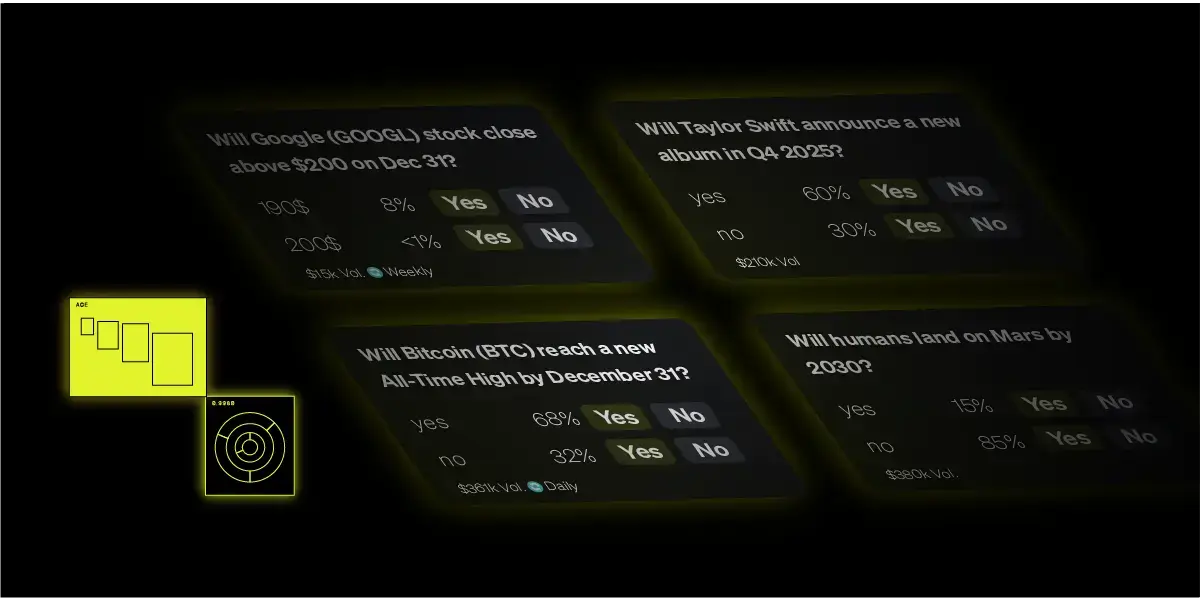
Los mercados de predicción están surgiendo rápidamente como una nueva vertiente en el panorama de las apuestas, captando la atención de operadores, traders y analistas. El sector está empezando a adaptarse, explorando cómo estos mercados, que se actualizan continuamente y se basan en datos, pueden complementar las casas de apuestas tradicionales y las apuestas en bolsa, ofreciendo nuevas perspectivas sobre la fijación de precios, la confianza del mercado y la participación. Para satisfacer esta creciente demanda, LSports ha lanzado el primer servicio premium de datos de mercados de predicción del sector, que reúne datos en tiempo real de las principales plataformas de intercambio. El servicio ofrece un formato unificado y normalizado que abarca cuotas, contratos de futuros, reglas de los contratos y liquidaciones. Al consolidar la información fragmentada del mercado, los operadores pueden poner en marcha mercados de predicción con unos gastos operativos mínimos, sin tener que gestionar múltiples fuentes ni lidiar con lógicas de liquidación inconsistentes.

27 de enero de 2026
En este sector, todo el mundo habla de «compromiso» y «experiencia de usuario». Creamos aplicaciones llamativas, integramos feeds de redes sociales e intentamos convertir una apuesta transaccional en un ecosistema de entretenimiento. Pero esta es la verdad sin tapujos: puedes tener la plataforma de apuestas sociales más bonita del mundo, pero si tu lógica de precios subyacente es estática, solo estás decorando una casa con cimientos que se desmoronan. Lo he visto una y otra vez en los principales operadores. Crecen a una velocidad vertiginosa, dando prioridad a la entrada en el mercado y al lanzamiento de nuevas funciones por encima de la eficiencia en los costes. Desarrollan tecnología propia para seguir siendo «innovadores», pero luego se topan con un muro. A medida que su volumen se multiplica por 20 o por 30, sus costes operativos —y, concretamente, la pérdida de márgenes— empiezan a crecer más rápido que sus ingresos.

2 de abril de 2026
El proveedor de datos que elijas determinará prácticamente todos los aspectos de tus operaciones, incluyendo la precisión de las cuotas, la exposición al riesgo y la retención de usuarios. Si eliges al socio equivocado, las consecuencias se acumulan: las liquidaciones lentas merman los márgenes, una cobertura limitada reduce tu mercado potencial y los contratos rígidos dificultan la expansión. Por el contrario, un proveedor fiable ofrece a las casas de apuestas la rapidez, la cobertura y la profundidad que necesitan para convertirse en líderes del mercado y mantenerse como tales. Para ayudarte a seleccionar la mejor empresa en un mercado tan saturado, este artículo analiza a ocho de los proveedores de datos de apuestas deportivas más sólidos en 2026.

2 de abril de 2026
El flujo de datos precisos desde los eventos deportivos en tiempo real hacia tu plataforma de apuestas deportivas es el elemento más crítico de tu infraestructura tecnológica. Tus operaciones dependen de que tu fuente de datos resista la presión. Si esa fuente falla, los márgenes se reducen, los usuarios abandonan la plataforma y la competencia gana terreno. Por eso es esencial contar con API de apuestas que ofrezcan cuotas correctas y puntuales, que se adapten de forma fiable y que no aumenten los gastos operativos. Para ayudarte a elegir la mejor opción, hemos recopilado 7 API de apuestas deportivas que vale la pena probar en 2026.
23 de abril de 2026
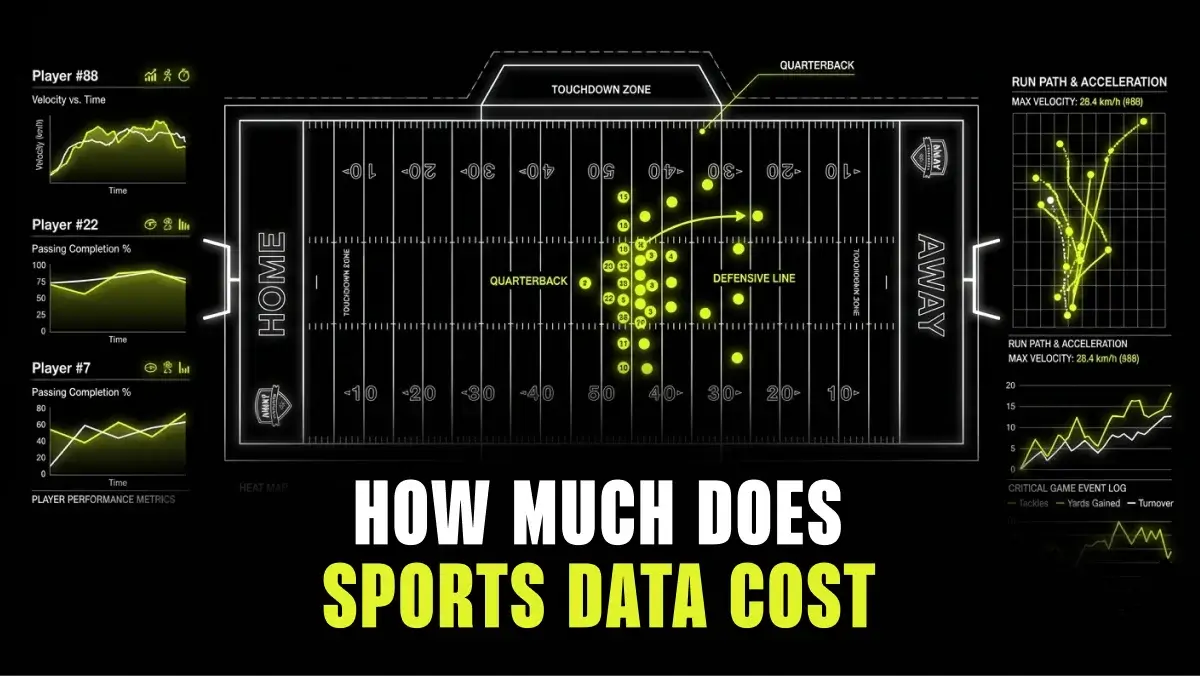
En 2025, el mercado mundial del análisis de datos deportivos se valoró en 5.7 mil millones de dólares, y las previsiones indican que su valor superará los 23 mil millones de dólares en 2033. La demanda de datos deportivos está aumentando vertiginosamente, y los precios siguen la misma tendencia. Aunque las casas de apuestas dependen de los datos, encontrar una respuesta clara sobre cuánto cuestan realmente sigue siendo una de las tareas más frustrantes del sector. Rara vez se publican los precios, las estructuras de los contratos varían enormemente y el coste total de propiedad va mucho más allá del precio de catálogo. Esta guía desglosa la información disponible sobre los costes de los datos deportivos en 2026, así como los gastos ocultos sobre los que los proveedores rara vez te advierten.

29 de abril de 2026
¿Estás creando una experiencia de apuestas deportivas que realmente mantenga el interés de los usuarios, o una que les frustre con retrasos, cuotas inexactas y actualizaciones con retraso? Con miles de puntos de datos en directo generados por cada partido, desde el seguimiento de los jugadores hasta los cambios en las cuotas en tiempo real, la calidad de tu API determina directamente la información que puedes extraer. Dado que incluso los pequeños retrasos o lagunas en los datos pueden convertirse rápidamente en oportunidades perdidas o predicciones inexactas, debes elegir tu API con cuidado. En este artículo, analizaremos las nueve mejores API de datos deportivos para apuestas y análisis, para que puedas desarrollar con confianza estrategias más inteligentes y basadas en datos.

11 de mayo de 2026
Una encuesta de iGamingFuture reveló que solo el 4 % de los jugadores se mantiene fiel a una misma plataforma de apuestas deportivas durante más de un año. Teniendo en cuenta el coste de captación de jugadores —que abarca la publicidad de pago, las comisiones de afiliados y los bonos de bienvenida—, invertir en la retención es una decisión acertada. Esto es aún más cierto en 2026, cuando se celebrará la Copa del Mundo de la FIFA. Los expertos predicen que será uno de los eventos más vistos de la historia. El potencial de captación de nuevos usuarios es enorme. Aun así, lo importante es garantizar que esos millones de nuevas cuentas no se queden inactivas en cuanto se levante el trofeo. Este artículo aborda nueve estrategias de retención de usuarios para que las webs de apuestas reduzcan la pérdida de clientes y construyan una base de jugadores que realmente se quede.

11 de mayo de 2026
La mayoría de las casas de apuestas invierten grandes sumas en captar usuarios, pero la captación por sí sola no determina la rentabilidad. Una base de usuarios en crecimiento no sirve de mucho si esos usuarios realizan una sola apuesta y luego dejan de participar. La implicación —concretamente, la duración de las sesiones, el número de apuestas por visita y el uso de las funciones— es lo que ayuda a los operadores a recuperar los costes iniciales y a generar beneficios. Esta guía desglosa 13 tácticas que utilizan las principales plataformas de apuestas para aumentar la implicación de los usuarios en 2026, desde una infraestructura fiable hasta funciones de gamificación.

11 de mayo de 2026
El sector de las apuestas deportivas se enfrenta en 2026 a importantes retos, entre los que se incluyen satisfacer la demanda de apuestas en tiempo real, mantener un calendario de apuestas las 24 horas del día, los 7 días de la semana, captar y fidelizar a los jugadores, gestionar el fraude y los riesgos, y adaptarse a una normativa más estricta. El sector de las apuestas deportivas está creciendo a un ritmo superior al 10-11 % anual, y se prevé que el mercado mundial casi se duplique, pasando de unos 100 000 millones de dólares en la actualidad a casi 190 000 millones de dólares en 2030. Aunque el mercado crece de forma constante, no abordar estos problemas puede provocar una reducción de la rentabilidad, un aumento de la pérdida de clientes y graves riesgos de incumplimiento normativo para las casas de apuestas. En este artículo, analizaremos los cinco mayores retos del sector de las apuestas deportivas y cómo puedes afrontarlos de forma más eficaz.

11 de mayo de 2026
Los proveedores de software para casas de apuestas son empresas que desarrollan las plataformas tecnológicas utilizadas para gestionar operaciones de apuestas en línea, encargándose de todo, desde la gestión de cuotas y el control de riesgos hasta la experiencia del usuario y los pagos. Dada la gran cantidad de proveedores disponibles en la actualidad, elegir el adecuado es fundamental para tu éxito a largo plazo. En este artículo, analizaremos los 10 mejores proveedores de software para casas de apuestas para que puedas seleccionar con confianza una solución que se adapte a tus necesidades y impulse tu crecimiento.

15 de mayo de 2026
¿Estás buscando una API de datos deportivos fiable para ofrecer resultados en directo, estadísticas e información sobre apuestas en tu plataforma? Sportradar y SportsDataIO son dos proveedores muy utilizados, cada uno con sus propios puntos fuertes en cuanto a cobertura deportiva, suministro de datos en tiempo real y experiencia para desarrolladores. En este artículo, analizaremos las diferencias entre Sportradar y SportsDataIO, comparando sus capacidades, características y casos de uso habituales para ayudarte a determinar qué solución se adapta mejor a tus necesidades. Si ninguno de los dos proveedores cumple plenamente tus requisitos, también te presentaremos LSports como alternativa diseñada específicamente para datos y operaciones centrados en las casas de apuestas.

15 de mayo de 2026
Las herramientas de análisis de datos deportivos son plataformas de software que recopilan, procesan e interpretan grandes volúmenes de datos relacionados con el deporte para identificar patrones y tendencias significativas para las plataformas de apuestas. Estas herramientas recopilan datos como estadísticas de rendimiento de los jugadores, historial de los equipos, resultados de los partidos, variaciones en las cuotas, comportamiento de los usuarios y métricas en tiempo real durante los partidos. Aunque pueden transformar por completo la forma en que las plataformas de apuestas establecen las cuotas, gestionan el riesgo y optimizan sus operaciones, hay que tener cuidado a la hora de elegir la herramienta adecuada, ya que esto repercute directamente en el rendimiento y la precisión. En este artículo, analizaremos nueve de las mejores herramientas de análisis de datos deportivos para plataformas de apuestas y lo que hace que cada una de ellas destaque.

15 de mayo de 2026
Sportradar es un proveedor líder a nivel mundial de API de datos deportivos, que ofrece estadísticas, cuotas y análisis en tiempo real sobre una amplia variedad de deportes y ligas. Sin embargo, debido a sus colaboraciones oficiales, su estructura de cobertura y la complejidad de su plataforma, puede que no sea la opción ideal para todos los desarrolladores o empresas. En este artículo, analizaremos 10 de las mejores alternativas a Sportradar para ayudarte a encontrar una solución que se adapte mejor a tus necesidades específicas, tu presupuesto y tus requisitos técnicos.

15 de mayo de 2026
¿Buscas un proveedor de datos deportivos de gran rendimiento que ofrezca resultados en directo, análisis e información sobre apuestas para tu plataforma? Sportradar y Genius Sports son dos soluciones muy populares, cada una de las cuales ofrece ventajas específicas en cuanto a cobertura de datos, tecnología y colaboraciones. En este artículo, compararemos Sportradar y Genius Sports, analizando sus características, puntos fuertes y casos de uso ideales para ayudarte a elegir la opción más adecuada para tu negocio. Y si ninguna de las dos opciones se ajusta plenamente a tus necesidades, también te presentaremos LSports como una alternativa flexible, rentable y centrada en las apuestas para las casas de apuestas.

20 de mayo de 2026
Las plataformas de interacción con los aficionados para las casas de apuestas son herramientas que ayudan a los operadores a atraer, retener y fidelizar a los usuarios mediante funciones como la gamificación, las ofertas personalizadas, los programas de fidelización y el contenido en tiempo real. Dado que el 77 % de los apostantes está dispuesto a cambiar de plataforma para disfrutar de una mejor experiencia, mantener el interés de los usuarios se ha convertido en una de las prioridades más importantes para cualquier casa de apuestas. En este artículo, analizaremos las ocho mejores plataformas de fidelización de aficionados para casas de apuestas, para que puedas elegir la solución adecuada con la que potenciar la retención y aumentar la actividad de los usuarios.

20 de mayo de 2026
Los mercados de predicción se están imponiendo rápidamente como una alternativa seria a las apuestas deportivas tradicionales, con un volumen de negociación de más de 44 000 millones de dólares registrado solo en 2025. Aunque a primera vista puedan parecer similares, su funcionamiento interno —especialmente en lo que respecta a la fijación de precios, la liquidez y la interacción con los usuarios— es fundamentalmente diferente. En este artículo, analizaremos los mercados de predicción frente a las apuestas deportivas para ayudarte a comprender las diferencias clave y lo que implican para el crecimiento futuro.

20 de mayo de 2026
Las apuestas deportivas ya no se limitan a ofrecer mercados y publicar cuotas competitivas. Los aficionados de hoy en día esperan más. Quieren una experiencia que los mantenga involucrados antes del partido, durante el encuentro y mucho después del pitido final. Si tu casa de apuestas no consigue captar su atención, lo hará otra. Cuanto más conectados se sientan los usuarios con tu plataforma, más probable será que vuelvan, realicen más apuestas y desarrollen hábitos duraderos en torno a tu marca. En este artículo, desglosamos las estrategias probadas de captación de aficionados al deporte que ayudan a las casas de apuestas a destacar en un mercado saturado.

20 de mayo de 2026
Las estrategias publicitarias de las apuestas deportivas son los métodos y técnicas que utilizan las empresas de apuestas para atraer, captar y fidelizar a los clientes, y abarcan desde el marketing digital y las campañas en redes sociales hasta las colaboraciones con influencers y las promociones dirigidas a un público específico. Dado que se prevé que el mercado mundial de las apuestas deportivas alcance casi 190 000 millones de dólares en 2030, la competencia se está intensificando, lo que hace que una publicidad eficaz sea más importante que nunca. En este artículo, analizaremos las seis mejores estrategias publicitarias de las apuestas deportivas para que puedas comprender qué es lo que funciona y aplicarlas con éxito.

15 de junio de 2026
La gestión de riesgos en las apuestas deportivas consiste en identificar, analizar y controlar las posibles pérdidas para que los operadores puedan mantener su rentabilidad y garantizar la estabilidad de sus operaciones. Muchos operadores señalan que el fraude por sí solo puede suponer entre el 10 % y el 20 % de sus ingresos anuales, lo que hace que una gestión eficaz de los riesgos sea esencial para el éxito a largo plazo. En este artículo, analizaremos las mejores estrategias de gestión de riesgos en las apuestas deportivas para ayudarte a reducir las pérdidas, prevenir el fraude y reforzar tus operaciones en general.

15 de junio de 2026
La gamificación en las apuestas deportivas consiste en el uso de elementos propios de los videojuegos, como puntos y competiciones, para mejorar la experiencia del usuario en las plataformas de apuestas deportivas. Cuando estas plataformas incorporan elementos propios de los videojuegos, los usuarios las encuentran más emocionantes, permanecen más tiempo en ellas y son más propensos a convertirse en clientes habituales. Los estudios demuestran que las plataformas gamificadas alcanzan tasas de retención mensual del 30-40 %, frente al 15-25 % de la media del sector. Este artículo analiza cómo funciona la gamificación en las apuestas deportivas, qué mecánicas impulsan los resultados y qué hay que saber antes de implementarla.

15 de junio de 2026
La gamificación en el deporte consiste en incorporar elementos de competición, recompensas y mecánicas interactivas a las aplicaciones relacionadas con el deporte. La idea es convertir a los espectadores pasivos en participantes activos y, de este modo, potenciar la implicación y la fidelización. En las apuestas deportivas, por ejemplo, TGM Research descubrió que el 30 % de los jugadores apuesta por el carácter competitivo, mientras que el 37 % lo hace por la emoción y la experiencia. Las ganancias económicas son importantes, pero una gran parte del público se siente motivada por la emoción y por una implicación más profunda con el propio deporte. Este artículo explica los fundamentos de la gamificación en el deporte, tales como: sus beneficios para los jugadores y las empresas; el mecanismo que explica su eficacia; y ejemplos de gamificación en sectores relacionados con el deporte.

14 de julio de 2026
Cuando te dedicas al sector de las apuestas deportivas, contar con las herramientas adecuadas puede marcar la diferencia. Tanto si gestionas una casa de apuestas consolidada como si acabas de empezar, es fundamental elegir el proveedor de datos adecuado y conocer bien las herramientas que ofrece. En LSports, ofrecemos una gama de productos diseñados para mejorar tu […]

23 de julio de 2026
La gamificación en las aplicaciones deportivas utiliza elementos propios de los videojuegos, como retos, recompensas, tablas de clasificación y sistemas de logros, para que las aplicaciones de apuestas resulten más interactivas, atractivas y motivadoras para los usuarios. Smartico señala que los operadores que utilizan la gamificación pueden alcanzar tasas de retención de alrededor del 75 %, frente al 50 % aproximadamente de las plataformas que no la incorporan, además de un aumento medio de los ingresos del 30 %. En este artículo, analizaremos la gamificación en las aplicaciones deportivas y cómo potencia la participación, la motivación y la fidelidad a largo plazo de los usuarios en las casas de apuestas y las plataformas de apuestas.

24 de julio de 2026
Genius Sports es un proveedor de datos deportivos en tiempo real, tecnología para apuestas y colaboraciones oficiales con ligas, cuyos servicios utilizan casas de apuestas, empresas de medios de comunicación y plataformas deportivas de todo el mundo. Sin embargo, su infraestructura orientada a las grandes empresas y su dependencia de colaboraciones oficiales para la obtención de datos pueden no ser la mejor opción para todas las empresas, especialmente para startups, operadores más pequeños o desarrolladores que buscan opciones de integración más flexibles y una mayor personalización. En este artículo, analizaremos las nueve mejores alternativas a Genius Sports para ayudarte a encontrar una solución que se adapte mejor a tus necesidades de cobertura, requisitos de latencia y objetivos técnicos.

24 de julio de 2026
Las herramientas de retención de jugadores en las casas de apuestas son plataformas diseñadas para ayudar a los operadores a mantener el interés de los jugadores mediante ofertas personalizadas, programas de fidelización, gamificación, automatización de CRM y análisis en tiempo real. Si estás captando nuevos jugadores para tu casa de apuestas pero sigues viendo cómo se marchan al poco tiempo, quizá sea el momento de explorar soluciones de retención más inteligentes que mantengan el interés de los usuarios, fomenten la fidelidad y reduzcan la pérdida de clientes. En este artículo, analizaremos las ocho mejores herramientas para la retención de jugadores en las casas de apuestas y cómo pueden ayudarte a establecer relaciones a largo plazo con los jugadores y maximizar el valor de por vida.

24 de julio de 2026
Las apuestas deportivas se han convertido en un potente motor de la participación de los aficionados, transformando a los espectadores pasivos en participantes activos que se involucran más, tanto emocional como económicamente, en los resultados de los partidos. Los apostantes deportivos son significativamente más propensos a ver partidos completos, seguir varios encuentros e interactuar con contenidos deportivos en distintas plataformas que quienes no apuestan. Para las casas de apuestas, esto se traduce en más oportunidades de apuestas en directo, una mayor actividad de apuestas, una mayor retención de clientes y un aumento del valor de por vida del cliente. En este artículo, analizaremos cómo las apuestas deportivas aumentan la implicación de los aficionados, por qué cambian el comportamiento de los espectadores y qué significa esto para el futuro del entretenimiento deportivo.

24 de julio de 2026
La retención de jugadores es la capacidad de una casa de apuestas de mantener a los usuarios interesados, satisfechos y haciendo que vuelvan constantemente a la plataforma a lo largo del tiempo, en lugar de que la abandonen tras sus primeras interacciones. Los operadores se basan en datos en tiempo real para mejorar la retención en el sector del juego online, junto con la personalización, experiencias de usuario fluidas y funciones atractivas que se adapten al comportamiento y las preferencias de los jugadores. En este artículo, analizaremos las 10 mejores estrategias de retención de jugadores que pueden ayudarte a potenciar la fidelidad y el valor a largo plazo.

28 de julio de 2026
La localización de plataformas de apuestas deportivas consiste en adaptar el software, el contenido y la experiencia del usuario para cumplir con los requisitos lingüísticos, culturales, legales y técnicos de los distintos mercados. Si estás pensando en expandirte a nuevas regiones, hay varios factores clave que debes tener en cuenta, desde el cumplimiento normativo y las preferencias de pago hasta los matices lingüísticos y el comportamiento de los usuarios. Cada mercado presenta sus propias exigencias específicas, lo que convierte a la localización en un paso complejo, pero esencial para alcanzar el éxito. En este artículo, descubrirás los seis retos que plantea la localización del software de apuestas deportivas y cómo superarlos.

29 de julio de 2026
Una web de apuestas es una plataforma en línea en la que los usuarios pueden realizar apuestas sobre eventos deportivos, juegos de casino u otros resultados a cambio de dinero real o premios. Si estás pensando en crear una web de apuestas, hay muchos aspectos que debes tener en cuenta. Desde la normativa legal y la obtención de licencias hasta el desarrollo de la plataforma, los sistemas de pago y la seguridad de los usuarios, debes planificar cada detalle con cuidado para garantizar una experiencia segura y fiable. En este artículo, aprenderás a crear una web de apuestas en seis pasos para que puedas poner en marcha y hacer crecer tu plataforma con confianza.

29 de julio de 2026
Mejorar la experiencia del usuario en las plataformas de apuestas deportivas implica crear un entorno rápido, intuitivo y atractivo que ayude a los usuarios a realizar apuestas con facilidad y confianza. Si estás intentando mejorar tu plataforma de apuestas deportivas, es posible que te enfrentes a problemas como una navegación complicada, un rendimiento lento, una baja retención de usuarios o una escasa participación de los jugadores. En este artículo, aprenderás cómo mejorar la experiencia del usuario en las plataformas de apuestas deportivas online y descubrirás estrategias prácticas para aumentar la usabilidad, la satisfacción del cliente y la retención a largo plazo.
29 de julio de 2026
El software de cálculo de cuotas es una plataforma que ayuda a las casas de apuestas a generar, ajustar y gestionar las cuotas de apuestas combinando modelos estadísticos, reglas de negociación, datos de mercado y herramientas de gestión de riesgos en un único sistema. Si estás pensando en lanzar o ampliar una plataforma de apuestas deportivas, elegir el compilador de cuotas adecuado es fundamental para mejorar la eficiencia de las operaciones, automatizar los cálculos de márgenes y mejorar la experiencia general de las apuestas. En este artículo, analizaremos los ocho mejores proveedores de software de compilación de cuotas para que puedas elegir el que mejor se adapte a tu plataforma de apuestas deportivas.

29 de julio de 2026
Las tácticas de personalización en las casas de apuestas son estrategias que adaptan la experiencia de apuesta a cada jugador en función de sus preferencias, su comportamiento y sus patrones de actividad. La encuesta de LSports de 2024 reveló que el 72 % de las casas de apuestas consideran que la personalización es el factor más importante para la retención de jugadores. Por lo tanto, si quieres aumentar la participación de los jugadores, reforzar su fidelidad y destacar en un mercado competitivo, debes adoptar el enfoque de personalización adecuado. En este artículo, analizaremos cinco tácticas eficaces de personalización de las casas de apuestas que pueden ayudarte a ofrecer una experiencia de usuario más atractiva y gratificante.

3 de agosto de 2026
Las ideas para fomentar la participación de los aficionados al deporte son estrategias diseñadas para mantener a los usuarios conectados a tu plataforma a través de experiencias interactivas y gratificantes que van más allá de las apuestas habituales. Si ya has conseguido atraer a usuarios a tu plataforma, el siguiente paso es animarlos a que vuelvan de forma habitual. En este artículo, analizaremos cinco ideas para fomentar la participación de los aficionados al deporte que pueden ayudarte a mejorar la retención, aumentar la actividad de los usuarios y establecer relaciones más sólidas con los clientes a largo plazo.

3 de agosto de 2026
Un mercado de predicción es una plataforma en la que los usuarios apuestan por los resultados de acontecimientos futuros, lo que permite que la opinión colectiva y los datos generen previsiones de probabilidad en tiempo real. En el caso de las casas de apuestas, la integración de los mecanismos de los mercados de predicción puede generar una mayor implicación de los usuarios, aumentar la retención y abrir nuevas oportunidades para ofrecer experiencias de apuestas interactivas que vayan más allá de las cuotas tradicionales. En este artículo, analizaremos las siete mejores plataformas de mercados de predicción de las que podemos aprender y destacaremos las características, los mecanismos y las experiencias de usuario que las hacen destacar.

3 de agosto de 2026
La gestión de riesgos en las apuestas deportivas consiste en supervisar y controlar la actividad de apuestas para limitar las posibles pérdidas, al tiempo que se garantiza una rentabilidad constante para la casa de apuestas. Uno de los factores más importantes que distingue a las casas de apuestas exitosas de aquellas que tienen dificultades es la eficacia con la que gestionan el riesgo. En este artículo, aprenderás todo lo que necesitas saber sobre la gestión de riesgos en las apuestas deportivas para que puedas optimizar tu estrategia, reducir la exposición al riesgo y hacer crecer tu negocio con confianza.