2025년 2월 10일
스포츠 데이터 독점: 그 부상과 현재 상황에 이르게 된 과정 (2부)
스포츠 데이터 산업이 처음부터 소수의 거대 기업들에 의해 장악되었던 것은 아닙니다. 초기에는 데이터 수집이 분산된 방식으로 이루어졌으며, 주로 리그나 구단, 심지어 개별 스카우트들이 이를 관리하곤 했습니다. 정보는 수작업으로 수집되어 언론사나 기타 이해관계자들과 공유되었습니다. 그러나 스포츠 데이터의 가치가 점점 더 분명해지면서 업계는 변화하기 시작했습니다. 스포츠 베팅의 부상과 실시간 데이터에 대한 수요 증가는 업계의 판도를 완전히 바꿔놓았습니다. 기업들은 데이터 접근권을 통제하는 것이 엄청난 수익을 창출할 수 있다는 사실을 깨닫고, 리그 및 단체들과 독점 계약을 맺기 시작했습니다. 이러한 계약을 통해 기업들은 데이터를 수집하고 배포할 독점적 권리를 확보함으로써, 사실상 경쟁사들을 배제했습니다. 시간이 지남에 따라 이는 소수의 주요 제공업체들에게 권력이 집중되는 결과를 낳았습니다.


이 기사에서
구독하기
항상 한 발 앞서 나가세요
스포츠 데이터, 베팅 동향, 업계 뉴스에 대한 최신 정보를 이메일로 바로 받아보세요.
이것은 제목입니다
One of the key drivers of this consolidation was the willingness of data providers to pay large sums of money for exclusive rights. Leagues, often looking for ways to maximize revenue, were eager to sign these deals. However, this short-term gain came at a long-term cost. By handing over control of their data, leagues effectively gave up their ability to manage how their information was used and monetized.
Another factor was the lack of legal protections for sports data. Unlike intellectual property such as music or movies, facts, numbers, and figures are not protected by copyright law. This means that once a goal is scored or a match is played, the data surrounding that event is considered public domain. However, the exclusive agreements signed by leagues and data providers have created a de facto monopoly, as competitors are legally barred from collecting the same data independently.
The result is an industry that is heavily skewed in favor of a few dominant players. These providers have little incentive to innovate or improve their services, as they face no real competition. Meanwhile, leagues, media companies, and betting platforms are left with limited options and rising costs.
In the next part of this series, we’ll examine the broader implications of this monopolistic system, including its impact on innovation, competition, and the future of sports data.
Read Part 3: LACK OF INNOVATION, HINDERED FAN EXPERIENCE: THE BROADER IMPLICATIONS OF SPORTS DATA MONOPOLIES
관련 기사



















2024년 7월 23일
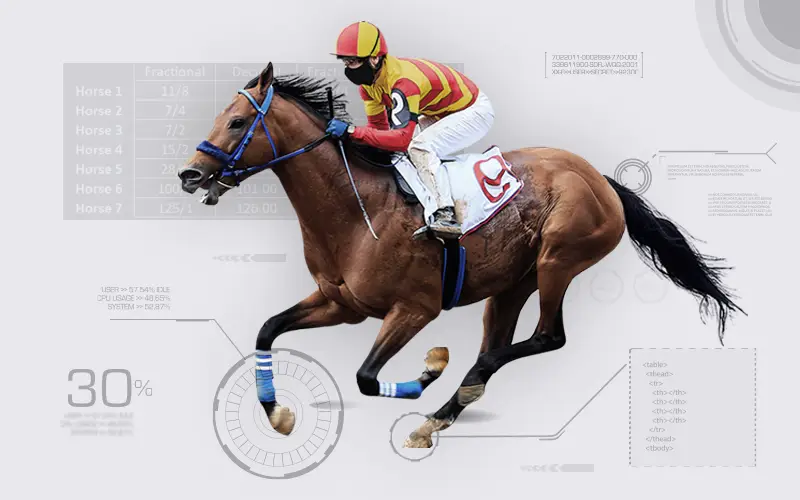
스포츠 베팅 업계는 빠르게 디지털화되고 있습니다. 매년 온라인을 통해 수십억 단위의 베팅이 이루어지고 있어, 아직 디지털 전환을 하지 못한 업체들은 뒤처지지 않으려 안간힘을 쓰고 있습니다. 만약 귀하의 스포츠북이 여전히 오프라인 매장만 운영하고 있다면, 이제 현실을 직시해야 할 때입니다. 디지털 입지를 구축하는 것은 더 이상 선택 사항이 아닙니다. 결국, 디지털 전환은 번창하는 것과 그저 살아남는 것의 차이를 결정짓습니다. 어떻게 시작해야 할지 막막하신가요? 이전에 “나만의 스포츠북 사업 시작하기”에 대한 통찰력을 공유한 데 이어, 이번에는 온라인 입지를 구축하는 방법에 대한 팁을 알려드리고자 합니다. 이 글을 디지털 무대에서 단순히 경쟁하는 것을 넘어 시장을 주도하는 온라인 스포츠북을 구축하기 위한 가이드로 삼아 주시기 바랍니다.

2024년 8월 12일
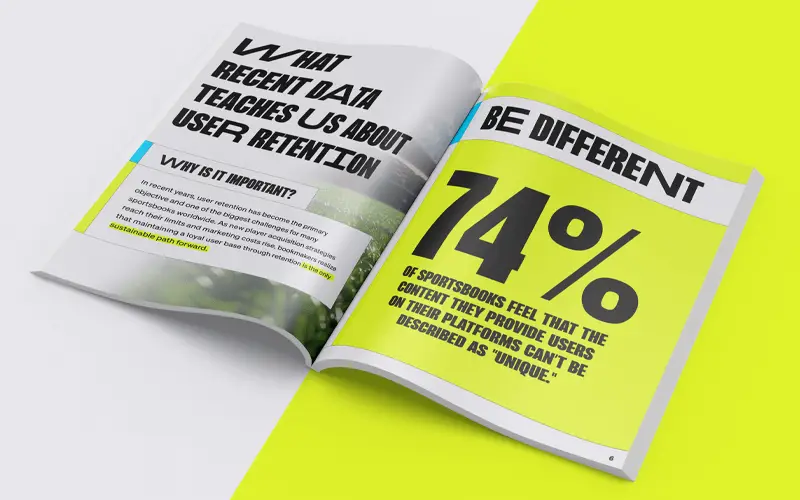
스포츠 베팅 시장은 폭발적으로 성장하고 있습니다. 새로운 시장이 끊임없이 열리고 있으며, 경쟁은 치열합니다. 단순히 생존하는 것을 넘어 번창하기 위해서는, 귀사의 스포츠북에 측정 가능한 성과를 가져다줄 마케팅 경쟁력이 필요합니다. 이 검증된 전략은 종종 제대로 활용되지 못하고 있지만, 고객 유치에 있어 판도를 바꿀 수 있는 결정적인 요소가 될 수 있습니다. 개념은 간단합니다. 제휴사가 귀사의 스포츠북을 홍보하고, 그 대가로 귀사는 제휴사가 창출한 매출에 대한 수수료를 지급하는 방식입니다. LSports와 파트너십을 맺으면, 제휴사에게 세계 최고 수준의 스포츠 데이터 제품을 홍보 수단으로 제공할 수 있습니다. 이를 통해 귀사 스포츠북의 매력이 한층 높아져, 제휴사들이 귀사와의 파트너십을 더욱 선호하게 될 것입니다.

2024년 8월 19일
“나만의 스포츠북 사업 시작하기”에 대해 이야기한 데 이어, 이번에는 한 걸음 더 나아가 성공적인 스포츠북 운영 방법에 대해 다뤄보겠습니다. 스포츠 베팅 업계에는 기회가 무궁무진합니다. 점점 더 많은 사람들이 자신이 응원하는 팀에 베팅함에 따라, 스포츠북 운영자로서 큰 수익을 올릴 수 있는 절호의 기회가 분명히 있습니다. 하지만 끊임없이 변화하는 이 분야에서 성공하기 위해서는 단순한 열정만으로는 부족합니다. 적절한 도구, 전문 지식, 그리고 전략이 필요합니다. 자신만의 스포츠북을 시작하고 온라인 입지를 다지기 위한 첫걸음을 내디뎠다면, 이제 성공적인 스포츠북 사업을 운영하는 방법을 알아야 합니다. 업계에서 두각을 나타내고 싶다면 규정을 준수하고, 신뢰할 수 있는 데이터를 최대한 활용하며, 베터들이 다시 플랫폼을 방문하도록 유도하는 사용자 인터페이스를 설계해야 합니다. 이 가이드는 미국 스포츠 베팅 시장에서 단순히 살아남는 것을 넘어 두각을 나타낼 수 있도록 돕기 위해 이러한 중요한 요소들을 살펴봅니다.

2024년 8월 26일
리그, 프랜차이즈, 선수, 방송사 등이 스포츠 베팅 업체와 제휴를 맺으면서 스포츠 베팅 산업은 그 어느 때보다 큰 규모로 성장했습니다. 2022년 스포츠 베팅 산업의 시장 규모는 약 2,354억 6천만 달러로 평가되었으며, 이 수치는 계속해서 증가하는 추세입니다. 데이터에 따르면 2023년 기준 18~34세 인구의 약 30%, 35~49세 인구의 25%, 50~64세 인구의 25%, 65세 이상 인구의 20%가 스포츠 베팅에 참여한 것으로 나타났습니다. 이 산업이 주류로 자리 잡는 기간이 길어질수록 이러한 수치는 더욱 높아질 것입니다. 완벽한 스포츠북이란 존재하지 않으므로, 지금이야말로 경쟁사들 사이에서 두각을 나타내고 베터들을 위한 더욱 상호작용적이고 몰입도 높은 플랫폼을 구축할 전략을 세우기에 완벽한 시기입니다.


2024년 9월 19일
스포츠 베팅은 미국에서 거대하고 지속적으로 성장하고 있는 현상입니다. 2018년 미국 대법원이 스포츠 베팅을 합법화한 이후, 스포츠 베팅 시장은 폭발적으로 성장하여 100억 달러 규모의 산업으로 자리 잡았습니다. 분석가들과 업계 전문가들은 미국 내 스포츠 베팅 수요가 계속 증가할 것이며, 450억 달러 규모의 산업으로 성장할 수 있을 것으로 전망합니다. 이처럼 성장 잠재력이 막대한 만큼, 특히 사업 확장을 모색하고 계신다면 귀사와 같은 스포츠북 업체에 지속적인 이익을 가져다줄 시장입니다. 하지만 미국 이외의 지역에서 스포츠북을 운영하고 계신다면, 반드시 알아두어야 할 몇 가지 사항이 있습니다. 이에 대해 자세히 안내해 드리겠습니다.

2024년 9월 26일
온라인 스포츠 베팅은 대다수의 베터들이 베팅을 하는 방식으로 점점 더 보편화되고 있으며, 스포츠북 업체들도 이러한 추세를 적극적으로 수용하고 있습니다. 그 이유는 분명합니다. 스포츠북 업체들은 막대한 자금을 들여 오프라인 카지노를 건설하고 개장한 뒤 고객이 찾아와 경기에 베팅하기를 기다리는 대신, 모바일 앱을 통해 전 세계 어디에 있는 고객과도 24시간 내내 소통할 수 있기 때문입니다. 스포츠북 사업을 시작하신 후에는 반드시 자체 모바일 앱 개발을 고려해 보시기를 강력히 권장합니다.

2024년 10월 7일
온라인 스포츠 베팅은 많은 국가에서 성장세를 보이고 있는 산업으로, 앞으로도 이러한 성장세가 지속될 것으로 예상됩니다. 스포츠북이 베팅을 제공하기 위해 오프라인 카지노를 지어야 했던 시대는 지났습니다. 일부 지역에서는 여전히 스포츠 베팅을 오프라인 매장으로만 제한하고 있으며 카지노도 여전히 수익을 내고 있지만, 신생 스포츠북들은 모바일 스포츠 베팅 앱 개발에 주력하고 있습니다. 실제로 Drive Research에 따르면, 베터들의 75%가 온라인 베팅을 선호하는 것으로 나타났습니다. 지난 기사 “나만의 스포츠북 모바일 앱을 개발하는 방법”에서는 앱 개발 과정에 대해 다뤘습니다. 이번 기사에서는 온라인 스포츠북 앱을 제작하는 과정에서 직면하게 될 과제들에 대해 논의해 보겠습니다. 아래에서 몇 가지 사례를 살펴보겠습니다.



2024년 11월 7일
성공적인 스포츠북 뒤에는 잘 통합된 스포츠 데이터 API가 있습니다. API는 스포츠북의 엔진실과도 같아, 과거 데이터에 대한 접근을 제공하고 라이브 경기에 대한 초 단위의 실시간 업데이트를 전달하는 두 가지 핵심적인 역할을 수행합니다. 스포츠 데이터 API는 경기 점수, 팀 성적, 선수 통계 및 기타 중요한 세부 정보를 추적하여 제휴 스포츠북에 실시간으로 전달합니다. 스포츠북의 알고리즘은 이러한 정보를 활용하여 배당률과 시장을 조정함으로써 고객에게 더 나은 서비스를 제공합니다. 스포츠북을 운영한다면, 뛰어난 애플리케이션 프로그래밍 인터페이스(API)를 통합하는 것이 치열한 경쟁 속에서 승패를 가르는 결정적인 요소가 될 수 있습니다. 하지만 스포츠북에 통합할 최고의 스포츠 데이터 API 제공업체를 어떻게 선정해야 할까요? 이 가이드는 그 질문에 답하며, 우수한 API의 핵심 특징을 조명합니다.

2024년 11월 26일
스포츠 베팅 업계는 그 어느 때보다 경쟁이 치열하며, 운영사들은 자사의 이름을 알리기 위해 치열한 경쟁을 벌이고 있습니다. 이 업계에 대해 한 가지 분명한 사실은, 이것이 ‘승자 독식’의 게임이며, 효과적인 전략을 갖춘 스포츠북만이 살아남아 번창할 수 있다는 점입니다. 스포츠북을 돋보이게 하는 가장 좋은 방법 중 하나는 고객을 유치하기 위한 훌륭한 프로모션 및 마케팅 전략을 실행하는 것입니다. 저희는 다양한 프로모션 전략을 조사한 결과, 현재 소셜 미디어 마케팅이 가장 효과적인 것으로 나타났습니다. 지금은 Z세대의 시대이며, 대부분의 고액 베팅자와 즐거움을 추구하는 사람들은 적어도 하나의 소셜 미디어 플랫폼을 이용하고 있습니다. 많은 적극적인 베터와 수동적인 애호가들이 X, 인스타그램, 블루스카이, 페이스북, 유튜브, 틱톡 등 다양한 소셜 미디어 플랫폼에 활동하고 있습니다.

2024년 12월 5일
온라인 스포츠 베팅의 주요 장점 중 하나는 e스포츠 베팅의 대중화입니다. 이 색다른 베팅 옵션은 독특한 이벤트, 베팅 시장, 배당률 덕분에 전 세계 수백만 명의 팬을 끌어모으며 폭발적으로 성장했습니다. 2010년에야 비로소 정식 베팅 종목으로 인정받기 시작한 e스포츠는 이제 온라인 스포츠북에 막대한 베팅 거래액을 창출하는 주요 베팅 분야로 자리 잡았습니다. e스포츠 이벤트는 전 세계 수백만 명의 시청자를 끌어모으며, 이들 중 대다수는 젊은 게이머와 베터들입니다. 분명히, 스포츠북에 e스포츠를 통합하는 것은 더 이상 선택 사항이 아닙니다. 이는 필수적이며, 제대로 된 e스포츠 베팅 목록을 구축하기에 가장 좋은 시기는 바로 지금입니다. 다행히도, 여러 유수의 e스포츠 API 제공업체들이 초보자라도 이 분야에서 강력한 입지를 다질 수 있도록 도와줄 수 있습니다.

2024년 12월 12일
스포츠북을 운영하고 싶어 하는 이유는 쉽게 짐작할 수 있습니다. iGaming 산업은 매출과 인기도 면에서 계속해서 새로운 정점을 찍어왔으며, 모든 징후를 볼 때 앞으로도 더욱 성장할 전망입니다. 특히 미국과 유럽을 타겟 시장으로 삼는다면, 스포츠북을 성공적으로 론칭하는 것은 상당한 수익을 의미할 것입니다. 하지만 모든 사업의 본질과 마찬가지로, 신중하고 철저한 조사를 바탕으로 한 계획 수립이 생존의 열쇠이며, 이는 스포츠북 스타트업의 경우 더욱 그렇습니다. 단 한 번의 치명적인 실수만으로도 모든 자금과 노력이 물거품이 될 수 있습니다. 흥미로운 점은 여러 가지 잠재적 실수가 이러한 결과를 초래할 수 있다는 사실입니다. 겉보기에는 별것 아닌 것처럼 보일지 몰라도, 그 영향은 결국 여러분의 노력을 무너뜨리는 일련의 부정적인 결과를 촉발할 수 있습니다.
2024년 12월 29일
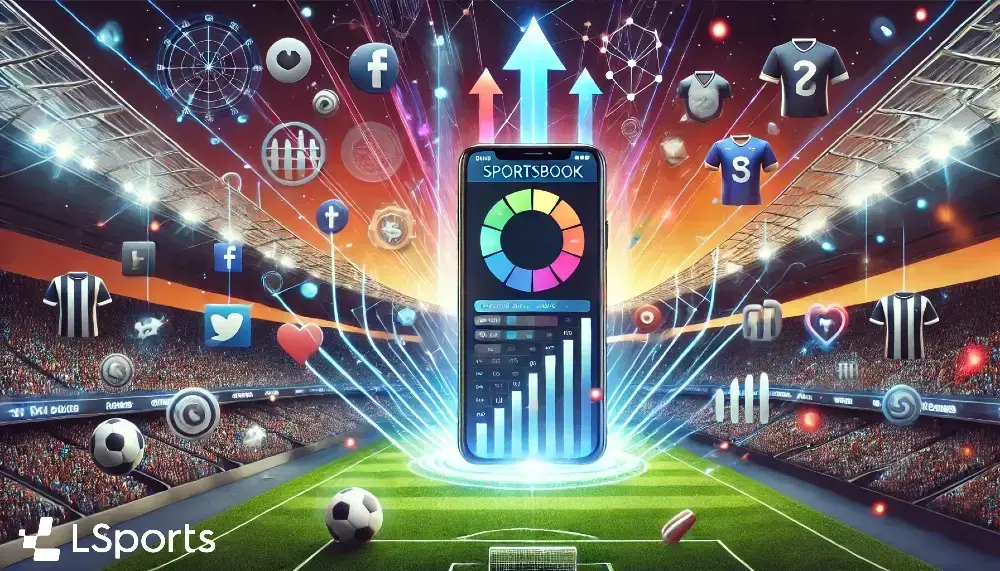
온라인 스포츠 베팅 시장이 수년에 걸쳐 치열한 경쟁 구도로 변모했다는 사실은 부인할 수 없습니다. 매일 몇 개의 새로운 플랫폼이 합법화되면서, 이미 포화 상태인 시장에 새로운 경쟁자들이 쏟아져 나오고 있습니다. 따라서 스포츠북이 사용자를 유치하고 충성도 높은 고객층을 확보하려면 차별화된 존재감을 드러내야 합니다. 다행히도 효과적인 마케팅 전략을 통해 이러한 목표를 달성할 수 있습니다. 업계의 모든 성공적인 스포츠북 운영사들은 지속적인 시장 지배력을 유지하기 위해 탄탄한 마케팅 전략에 의존하고 있습니다. 물론, 귀사의 스포츠북이 방대한 베팅 시장 카탈로그와 신뢰할 수 있는 스포츠 API 제공업체, 심지어 고품질의 배당률(Odds) API 서비스까지 갖추고 있다는 점을 잘 알고 있습니다. 하지만 이러한 기능들은 업계에서 두각을 나타내기 위해 필요한 요소 중 일부에 불과합니다. 여전히 베터들에게 귀사의 서비스를 이용함으로써 얻을 수 있는 이점을 설득해야 합니다. 이를 위한 확실한 방법은 효과적인 마케팅 채널을 활용하는 것입니다.

2025년 2월 3일
4부작으로 구성된 이 블로그 시리즈에서는 스포츠 데이터 독점이 야기하는 문제점들을 파헤쳐 보겠습니다. 주요 리그들이 단일 공급업체에 독점권을 판매함으로써 정보의 흐름을 통제하고, 비용을 부풀리며, 혁신을 저해하는 방식을 살펴볼 것입니다. 이러한 독점의 뿌리부터 그 광범위한 파장에 이르기까지, 왜 더 공정한 시스템이 시급히 필요한지 보여주고, 리그와 기업, 팬 모두가 혜택을 볼 수 있는 새로운 모델을 제안하겠습니다. 스포츠 데이터에 대한 이러한 중앙 집중식 통제가 어떻게 이중 독점 체제를 초래했는지, 그리고 왜 이것이 관련된 모든 이들에게 부담이 되는지 살펴보겠습니다.
2025년 2월 10일
스포츠 데이터 산업이 처음부터 소수의 거대 기업들에 의해 장악되었던 것은 아닙니다. 초기에는 데이터 수집이 분산된 방식으로 이루어졌으며, 주로 리그나 구단, 심지어 개별 스카우트들이 이를 관리하곤 했습니다. 정보는 수작업으로 수집되어 언론사나 기타 이해관계자들과 공유되었습니다. 그러나 스포츠 데이터의 가치가 점점 더 분명해지면서 업계는 변화하기 시작했습니다. 스포츠 베팅의 부상과 실시간 데이터에 대한 수요 증가는 업계의 판도를 완전히 바꿔놓았습니다. 기업들은 데이터 접근권을 통제하는 것이 엄청난 수익을 창출할 수 있다는 사실을 깨닫고, 리그 및 단체들과 독점 계약을 맺기 시작했습니다. 이러한 계약을 통해 기업들은 데이터를 수집하고 배포할 독점적 권리를 확보함으로써, 사실상 경쟁사들을 배제했습니다. 시간이 지남에 따라 이는 소수의 주요 제공업체들에게 권력이 집중되는 결과를 낳았습니다.

2025년 2월 17일
4부작으로 구성된 이 블로그 시리즈에서는 스포츠 데이터 독점이 야기하는 문제점들을 심층적으로 다룹니다. 주요 리그들이 단일 공급업체에 독점권을 판매함으로써 정보의 흐름을 통제하고, 비용을 부풀리며, 혁신을 저해하는 방식을 살펴보겠습니다. 이러한 독점의 기원에서부터 광범위한 파급 효과에 이르기까지, 왜 보다 공정한 시스템이 시급히 필요한지 설명하겠습니다. 또한 리그, 기업, 팬 모두가 혜택을 볼 수 있는 새로운 모델도 제안할 것입니다. 글: 도탄 라자르


2025년 3월 6일
오늘날의 스포츠 베팅 업계에서 사용자 유지율은 그 어느 때보다 중요해졌습니다. 고객 확보 비용(CAC)이 상승하고 경쟁이 치열해짐에 따라, 스포츠북 업체들은 단순히 사용자를 유치하는 데서 벗어나, 사용자들이 지속적으로 참여하고 활동하도록 유지하는 데 초점을 맞춰야 합니다. 강력한 사용자 유지 전략은 평생 가치(LTV)를 극대화할 뿐만 아니라, 수익원을 안정화하고 브랜드 충성도를 강화합니다. 그러나 높은 유지율을 달성하는 데는 여러 가지 어려움이 따릅니다. 치열해지는 경쟁, 변화하는 베터들의 기대, 보너스 사냥, 개인화 요구, 기술적 기대 등은 모두 상당한 장애물이 될 수 있으며, 이용자 이탈을 초래할 수 있습니다.



2025년 4월 28일
마진이 극히 적고 지속적인 고객 참여가 요구되는 이 업계에서, 거래량이 많고 성장세가 가파른 시장 부문을 공략하는 것은 판도를 바꿀 수 있는 계기가 될 수 있습니다. 점점 더 치열해지는 경쟁 환경을 헤쳐나가는 스포츠북 업체들에게 있어, 그 숨겨진 ‘MVP’는 꽤 오랫동안 벤치에 앉아 있었습니다. 바로 e스포츠입니다. e스포츠는 더 이상 틈새 시장이 아닌, 수년 동안 베터들 사이에서 꾸준히 인기를 얻어왔으며 스포츠북 업체들 사이에서도 주목을 받아왔습니다. 전 세계적으로 거래량 기준 상위 5대 스포츠 중 하나로 꼽혀 온 e스포츠는 현재 LSports에서 세 번째로 수요가 많은 서비스로, 고객사가 연간 주문하는 경기 수가 1,500만 건에 달하며, 축구와 탁구에 이어 3위를 차지하고 있습니다.

2025년 4월 29일
2025년, 스포츠북 운영사들은 기술과 데이터 처리 속도가 베팅 경험의 성패를 좌우하는 치열한 경쟁에 직면해 있습니다. 현대적인 스포츠 베팅 플랫폼은 잘 통합된 API를 핵심 동력으로 삼아, 과거 통계 자료를 제공하고 실시간 배당률 조정을 가능하게 하는 라이브 데이터를 전달합니다. 실시간 데이터 피드와 원활한 통합은 이 거대한 산업에서 이제 표준이 되었습니다. 따라서 적합한 스포츠 베팅 API를 선택하는 것은 전략적인 결정입니다. 아래에서는 데이터의 정확성, 속도, 확장성에 중점을 두고 스포츠북 경영진이 최적의 API를 선정하기 위한 5가지 핵심 단계를 제시합니다. 각 단계에서는 해당 요소가 중요한 이유와 선정 과정에서 무엇을 질문하거나 확인해야 하는지 설명합니다.


2025년 6월 10일
실시간 변화와 극히 좁은 마진이 특징인 이 업계에서, 스포츠 베팅 데이터 수요의 향방에 대한 정확하고 신뢰할 수 있는 통찰력은 단순히 가치 있는 것이 아니라 필수적입니다. 전 세계 450여 개 스포츠북 운영사의 데이터를 바탕으로 한 LSports의 최신 보고서는 소비 트렌드가 베팅 이용자의 행동을 어떻게 적극적으로 변화시키고 있는지에 대한 흥미로운 통찰을 제공합니다. 실제 시장 활동을 기반으로 한 이 보고서는 모든 스포츠북이 염두에 두어야 할 명확하고 실행 가능한 통찰력을 제시합니다. 주요 수치: 2025년 1분기 전 세계 스포츠 데이터 소비량은 전년 동기 대비 32% 급증했습니다. 그러나 가장 주목할 만한 점은 틈새 스포츠와 리그의 예상치 못한 부상입니다.

2025년 7월 7일
지난 몇 년간 틈새 스포츠와 잘 알려지지 않은 대회는 단순히 ‘있으면 좋은’ 콘텐츠에서 스포츠북의 필수적인 수익 창출원으로 자리매김했습니다. 점점 더 경쟁이 치열해지는 시장에서 이러한 이벤트의 강점은 일관성, 빈번한 베팅 기회, 그리고 고객 참여 접점을 제공함으로써 스포츠북이 고객 생애 가치(LTV)를 극대화하고 주요 시즌 성수기 이후에도 활동을 지속할 수 있도록 돕는 데 있습니다. 새롭게 부상하는 모든 틈새 시장 중에서, 전 세계 스포츠북에게 가장 수익성이 높고 안정적인 분야 중 하나로 조용히 자리 잡은 스포츠가 하나 있습니다. 바로 탁구입니다.

2025년 8월 18일
스포츠 베팅에서 가장 정교한 퀀트 모델조차도 ‘가비지 타임’의 역학에 직면하면 무너질 수 있습니다. 알고리즘은 접전 양상의 농구 경기 가격 책정에는 탁월하지만, 경기가 일방적인 승부로 흘러갈 때는 종종 실패하곤 합니다. 이때는 통계적 추세보다는 코치의 전술적 판단과 선수 부담 관리 등이 선수들의 행동을 좌우하기 때문입니다. NBA와 같은 리그, 특히 시즌 후반 경기에서 빈번하게 발생하는 이러한 상황은 지속적인 비효율을 초래하며, 이를 노련한 베팅 전문가들은 이를 활용하는 반면, 자동화된 모델은 상당한 가치를 잃게 됩니다.

2025년 8월 25일
마이크로 마켓의 폭발적인 확산으로 인해 스포츠 베팅은 운영사와 노련한 베터들 간의 실시간 체스 대결로 변모했습니다. 단순한 프로프 베팅과 직관적인 베팅으로 시작된 것이 이제는 단일 경기 내에서 수백 가지의 베팅 가능한 이벤트로 진화했으며, 이를 통해 베터들은 다양한 스포츠 경기와 리그 전반에 걸쳐 경기의 거의 모든 측면에 베팅할 수 있게 되었습니다. 이로 인해 온라인 베팅의 급속한 성장으로 전례 없는 운영상의 복잡성과 위험 노출이 발생하고 있으며, 많은 스포츠북 업체들은 여전히 이에 대처하는 방법을 모색하고 있는 실정입니다.

2025년 8월 27일
전 세계 시장에서 화제를 모은 인수합병과 대대적인 규제 변화가 촉매가 되어 스포츠 베팅의 성장세는 여전히 거세게 이어지고 있습니다. 이러한 요인들은 끊임없이 진화하는 스포츠 데이터 수요를 형성하는 동시에, 그 수요에 의해 영향을 받기도 합니다. 이러한 수요는 첨단 기술과 혁신적인 도구를 통해 수천 건의 경기에 대한 심층적이고 실시간의 통찰력을 스포츠북에 제공함으로써, 포괄적인 커버리지와 상세한 통계로 충족되고 있습니다. LSports의 2분기 데이터 보고서에서 도출된 주요 시사점은 스포츠북 사업자들이 면밀히 주시해야 할 트렌드를 조명하고 있습니다. 경쟁 형식의 확대, 틈새 이벤트의 급증, 그리고 다양한 스포츠 분야에서 나타나는 예상치 못한 변화들은 통찰력이 뛰어나고 적응력이 뛰어난 사업자들에게 실질적인 성장 기회를 창출하고 있습니다.


2025년 10월 20일
정교하게 조정된 스포츠 베팅 세계에서, 경기 직전에 발생하는 단 한 건의 출전 취소만으로도 스포츠북의 배당 체계 전반에 연쇄적인 영향을 미칠 수 있습니다. 이는 단순히 스타 선수가 경기 시작이나 팁오프에 나서지 못하는 문제가 아니라, 스프레드, 총점, 그리고 수십 가지의 선수별 프로프 베팅의 신뢰성을 순식간에 위협하는 체계적인 충격입니다. 이러한 시장의 충격파를 이해하고 선제적으로 대응하는 방법을 아는 것이야말로, 단순히 상황에 수동적으로 대응하는 운영자와 압박 속에서도 마진 안정성을 유지하는 운영자를 구분 짓는 기준이 됩니다.

2025년 11월 4일
스포츠 베팅 업계는 중대한 기로에 서 있습니다. 수년 동안 스포트라다(Sportradar)와 같은 공식 데이터 제공업체들은 주로 주요 리그의 독점권을 확보함으로써 업계 표준으로 자리매김해 왔습니다. 그러나 이러한 모델에 심각한 균열이 나타나고 있습니다. 드래프트킹스(DraftKings)와 같은 기존 브랜드부터 폴리마켓(Polymarket)과 같은 혁신적인 기업에 이르기까지, 스포츠 베팅 사업자, 플랫폼 및 트레이딩 팀들은 공식 데이터 권리와 관련된 비용 상승과 제한적인 계약 조건에 점점 더 불만을 느끼고 있습니다.

2025년 11월 16일
예측 시장은 더 이상 변방의 호기심 대상이 아닙니다. 이 시장은 공식적으로 주류 무대에 등장했으며, 스포츠 베팅 업계 경영진들에게 당면한 질문은 더 이상 “예측 시장이 무엇인가?”가 아니라 “이것이 위협인가, 기회인가?”입니다. 가장 시급한 문제는 단순히 예측 시장의 성장만이 아니라, 규제 경계의 모호해짐과 시장 조성자들이 여러분의 영역으로 과감하게 진출하고 있다는 점입니다. Kalshi와 같은 연방 정부 규제를 받는 거래소부터 Polymarket과 같은 암호화폐 기반 플랫폼에 이르기까지, 여러 기업들이 스포츠 관련 “이벤트 계약”을 빠르게 확장하고 있다. 이 기업들은 예측 시장 분야에서 규제 대상 거래소이자 혁신적인 플랫폼으로 동시에 운영되고 있습니다. 주(州) 도박 위원회 대신 이러한 거래소를 감독하는 규제 기관인 미국 상품선물거래위원회(CFTC)를 활용하는 이러한 접근 방식은, 기존에 정착된 주별 라이선스 모델에 도전장을 내밀고 있습니다. 최근 이들 기업은 새로운 파트너십 체결과 신제품 출시를 발표하며 이벤트 계약의 확장을 더욱 가속화하고 있습니다.

2025년 11월 25일
수년 동안 축구는 전 세계 스포츠 베팅 시장을 거의 독점해 왔습니다. 하지만 2025년 3분기 최신 데이터는 주목할 만한 변화를 시사하고 있습니다. 이는 축구의 왕좌가 흔들리는 것이 아니라, 시장의 다각화가 진행되고 있음을 보여줍니다. 통계에 따르면, 베터들과 이에 따라 스포츠북 운영사들도 그 어느 때보다 더 광범위한 스포츠 종목, 리그, 지역으로 관심을 점차 확대하고 있는 것으로 나타났습니다. 이는 단순한 계절적 현상이 아닙니다. 이는 운영사들이 고객 참여, 콘텐츠 배포, 데이터 투자에 대해 생각하는 방식을 재편할 수 있는 추세입니다.

2025년 12월 1일
2026년 현재, 베팅 사업자로서 적합한 스포츠 데이터 제공업체를 선택하는 것은 더 이상 단순히 어떤 업체가 주요 리그의 중계권을 보유하고 있는지에만 국한된 문제가 아닙니다. 이는 플랫폼의 지연 시간, 수익 마진, 사용자 경험, 그리고 확장성에까지 영향을 미치는 중요한 결정입니다. 스포츠 데이터 생태계는 소수의 거대 기업들이 주도하고 있지만, ‘공식 데이터’ 모델은 높은 비용과 제한적인 계약 조건으로 인해 점점 더 많은 비판을 받고 있습니다. 이에 따라 ‘Genius Sports 대 LSports’라는 중요한 비교를 살펴보겠습니다. Genius Sports는 NFL 및 프리미어리그와 독점적인 공식 데이터 파트너십을 맺은 것으로 유명한 업계의 거물입니다. 반면 LSports는 베팅 성능, 속도, 커버리지 폭에만 전적으로 집중하는 전문 스포츠 데이터 제공업체로서, 민첩하고 기술을 최우선으로 하는 도전자적 입지를 확고히 다졌습니다. 이 가이드에서는 두 제공업체 간의 차이점을 상세히 분석하여, 귀하의 스포츠북에 적합한 스포츠 베팅 API 전략을 결정하는 데 도움을 드리고자 합니다. 데이터 속도를 업그레이드할 준비가 되셨나요? 데모 신청하기

2025년 12월 22일
정교한 스포츠북 운영자에게 테니스는 양날의 검과도 같습니다. 24시간 내내 끊임없이 거래량을 창출하는 원천인 동시에, 끊임없이 위험이 고조되는 압력솥과도 같기 때문입니다. 테니스만큼 실시간으로 가격 변동성이 두드러지는 고거래량 종목은 없습니다. 축구에서 골이 터지는 것은 영향력은 크지만 발생 빈도는 낮은 사건인 반면, 테니스에서는 단 한 번의 브레이크 포인트나 타이브레이크 중 흐름의 변화만으로도 시장 확률이 몇 초 만에 10%~20%나 요동칠 수 있으며, 이로 인해 반응이 느리거나 수동으로 관리되는 베팅 업체들은 종종 과도한 노출에 직면하게 됩니다. 트레이딩 데스크가 직면한 핵심 과제는 서브 게임의 역학과 세트 승부를 가르는 타이브레이크라는, 서로 높은 상관관계를 가지며 변동성이 큰 이 두 가지 상황을 관리하는 데 있습니다.
2025년 12월 29일
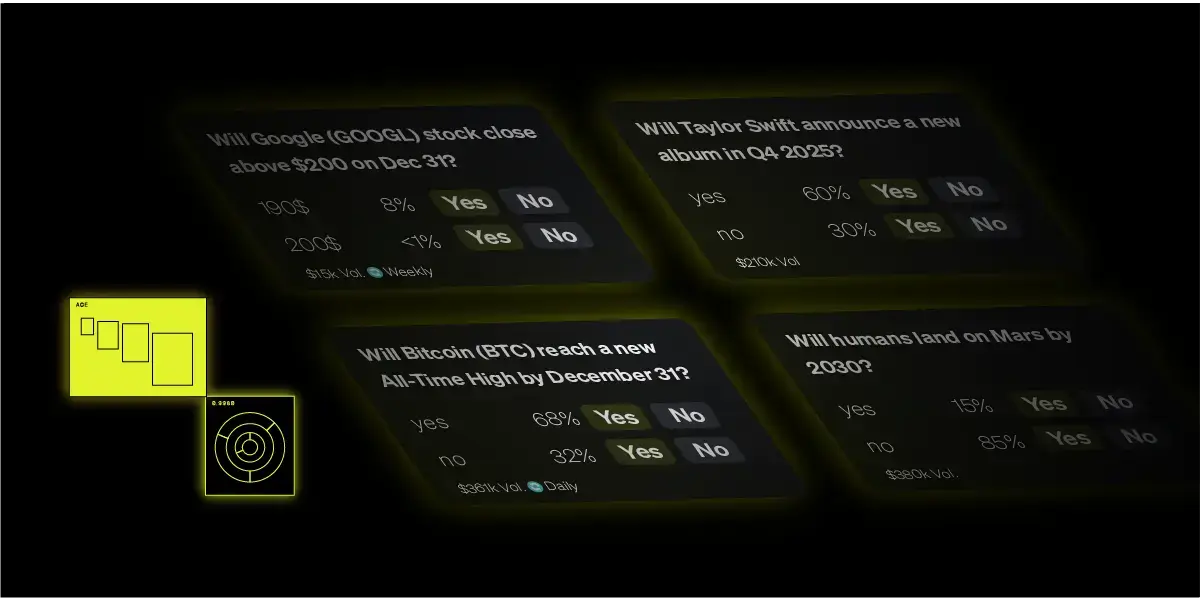
예측 시장은 베팅 업계의 새로운 영역으로 빠르게 부상하며, 운영사, 트레이더, 분석가들의 주목을 받고 있습니다. 업계는 이러한 지속적으로 업데이트되는 데이터 기반 시장이 기존 스포츠북 및 베팅 거래소를 어떻게 보완할 수 있는지 탐구하며, 가격 책정, 시장 심리, 참여도에 대한 새로운 통찰력을 제공함으로써 이에 적응하기 시작했습니다. 이러한 증가하는 수요에 부응하기 위해 LSports는 업계 최초로 프리미엄 예측 시장 피드를 출시하여 주요 거래소의 실시간 데이터를 한데 모았습니다. 이 피드는 배당률, 선물 계약, 계약 규칙, 정산 정보를 아우르는 통합되고 표준화된 형식을 제공합니다. 분산된 시장 정보를 통합함으로써, 운영사는 여러 정보원을 관리하거나 일관성 없는 정산 논리를 처리할 필요 없이 최소한의 운영 부담으로 예측 시장을 활성화할 수 있습니다.

2026년 1월 27일
이 업계에서는 모두가 ‘참여도’와 ‘사용자 경험’을 입에 올립니다. 우리는 화려한 앱을 만들고, 소셜 피드를 연동하며, 단순한 거래형 베팅을 엔터테인먼트 생태계로 탈바꿈시키려 애씁니다. 하지만 여기 가감 없는 진실이 있습니다. 세상에서 가장 아름다운 소셜 베팅 플랫폼을 갖췄다 해도, 그 기반이 되는 가격 책정 논리가 정적이라면, 그것은 마치 무너져 내리는 기초 위에 집을 꾸미는 것과 다름없습니다. 저는 주요 운영사들에서 이런 현상을 수없이 목격해 왔습니다. 이들은 비용 효율성보다 시장 진출과 기능 출시를 우선시하며 눈 깜짝할 사이에 규모를 확장합니다. ‘혁신적’이라는 명목으로 독자적인 기술을 개발하지만, 결국 벽에 부딪히게 됩니다. 거래량이 $20\times$나 $30\times$로 증가함에 따라 운영 비용, 특히 마진 유출이 매출보다 더 빠르게 증가하기 시작합니다.

2026년 4월 2일
선택한 데이터 제공업체는 배당률 정확도, 위험 노출, 사용자 유지율 등 운영의 거의 모든 측면에 영향을 미칩니다. 부적절한 파트너를 선택하면 그 결과는 연쇄적으로 악화됩니다. 결제 지연은 마진을 잠식하고, 제한된 커버리지는 잠재 시장을 축소시키며, 경직된 계약 조건은 사업 확장을 방해합니다. 반면, 신뢰할 수 있는 제공업체는 스포츠북이 시장 선두주자가 되고 그 위치를 유지하는 데 필요한 속도, 커버리지, 그리고 심도 있는 정보를 제공합니다. 경쟁이 치열한 시장에서 최고의 업체를 선정하는 데 도움을 드리기 위해, 이 기사에서는 2026년 가장 유력한 스포츠 베팅 데이터 제공업체 8곳을 상세히 분석합니다.
2026년 4월 2일
실시간 스포츠 경기에서 스포츠북 플랫폼으로 정확한 데이터가 원활하게 유입되는 것은 기술 스택에서 가장 중요한 요소입니다. 귀사의 운영은 압박 속에서도 데이터 피드가 안정적으로 유지되는지에 달려 있습니다. 피드 전송에 차질이 생기면 수익성이 악화되고, 사용자는 이탈하며, 경쟁사들은 입지를 넓히게 됩니다. 그렇기 때문에 정확하고 시의적절한 배당률을 제공하며, 안정적으로 확장 가능하고, 운영 부담을 가중시키지 않는 베팅 API를 갖추는 것이 필수적입니다. 귀사가 최상의 옵션을 선택할 수 있도록, 2026년에 시도해 볼 만한 7가지 스포츠 베팅 API를 선정해 보았습니다.
2026년 4월 23일
2025년 전 세계 스포츠 데이터 분석 시장 규모는 57억 달러로 집계되었으며, 2033년에는 230억 달러를 넘어설 것으로 전망됩니다. 스포츠 데이터에 대한 수요가 급증하면서 가격도 이에 발맞춰 오르고 있습니다. 스포츠 베팅 업체들은 데이터에 의존하고 있지만, 데이터의 실제 비용이 얼마인지에 대한 명확한 답을 찾는 것은 여전히 업계에서 가장 골치 아픈 과제 중 하나입니다. 가격 정보가 공개되는 경우는 드물고, 계약 구조는 천차만별이며, 총 소유 비용은 표면상의 가격을 훨씬 뛰어넘습니다. 이 가이드는 2026년 스포츠 데이터 비용에 관한 공개된 정보는 물론, 공급업체가 거의 경고하지 않는 숨겨진 비용에 대해서도 상세히 분석합니다.

2026년 4월 29일
사용자의 참여를 지속적으로 이끌어내는 스포츠북 경험을 구축하고 계신가요, 아니면 지연, 부정확한 배당률, 느린 업데이트로 사용자에게 불만을 안겨주는 경험을 만들고 계신가요? 선수 추적부터 실시간 배당률 변동까지, 경기당 수천 개의 실시간 데이터 포인트가 생성되는 상황에서 API의 품질은 여러분이 도출할 수 있는 인사이트를 직접적으로 좌우합니다. 사소한 지연이나 데이터의 누락조차도 순식간에 기회 상실이나 부정확한 예측으로 이어질 수 있으므로, API를 신중하게 선택해야 합니다. 이 글에서는 베팅 및 분석을 위한 최고의 스포츠 데이터 API 9가지를 살펴보겠습니다. 이를 통해 여러분은 더 스마트하고 데이터 기반의 전략을 자신 있게 수립할 수 있을 것입니다.

2026년 5월 11일
iGamingFuture의 설문조사에 따르면, 플레이어의 4%만이 1년 이상 한 스포츠북 플랫폼에 충성하는 것으로 나타났습니다. 유료 미디어, 제휴 수수료, 환영 보너스 등 플레이어 유치에 드는 비용을 고려할 때, 고객 유지에 투자하는 것은 현명한 선택입니다. 2026년 FIFA 월드컵을 앞두고 있는 지금, 이는 더욱 사실입니다. 전문가들은 이번 대회가 역사상 가장 많은 시청자를 기록할 행사 중 하나가 될 것으로 예측하고 있습니다. 신규 회원 유치 잠재력은 엄청납니다. 하지만 중요한 것은 수백만 개의 신규 계정이 우승 트로피가 들어 올려지는 순간 활동이 중단되지 않도록 보장하는 것입니다. 이 기사에서는 베팅 사이트가 이탈률을 줄이고 실제로 계속 머무르는 플레이어 기반을 구축하기 위한 9가지 사용자 유지 전략을 다룹니다.
2026년 5월 11일
대부분의 스포츠 베팅 업체는 신규 고객 유치를 위해 막대한 비용을 지출하지만, 고객 유치만으로는 수익성을 보장할 수 없습니다. 사용자 기반이 확대된다고 해도, 해당 이용자들이 단 한 번의 베팅만 하고 더 이상 활동하지 않는다면 별 의미가 없습니다. 운영사가 초기 비용을 회수하고 수익을 창출하는 데 도움이 되는 것은 바로 이용자 참여도, 특히 세션 시간, 방문당 베팅 횟수, 기능 이용률입니다. 이 가이드에서는 신뢰할 수 있는 인프라부터 게임화 기능에 이르기까지, 2026년 선도적인 베팅 플랫폼들이 이용자 참여도를 높이기 위해 활용하는 13가지 전략을 상세히 살펴봅니다.

2026년 5월 11일
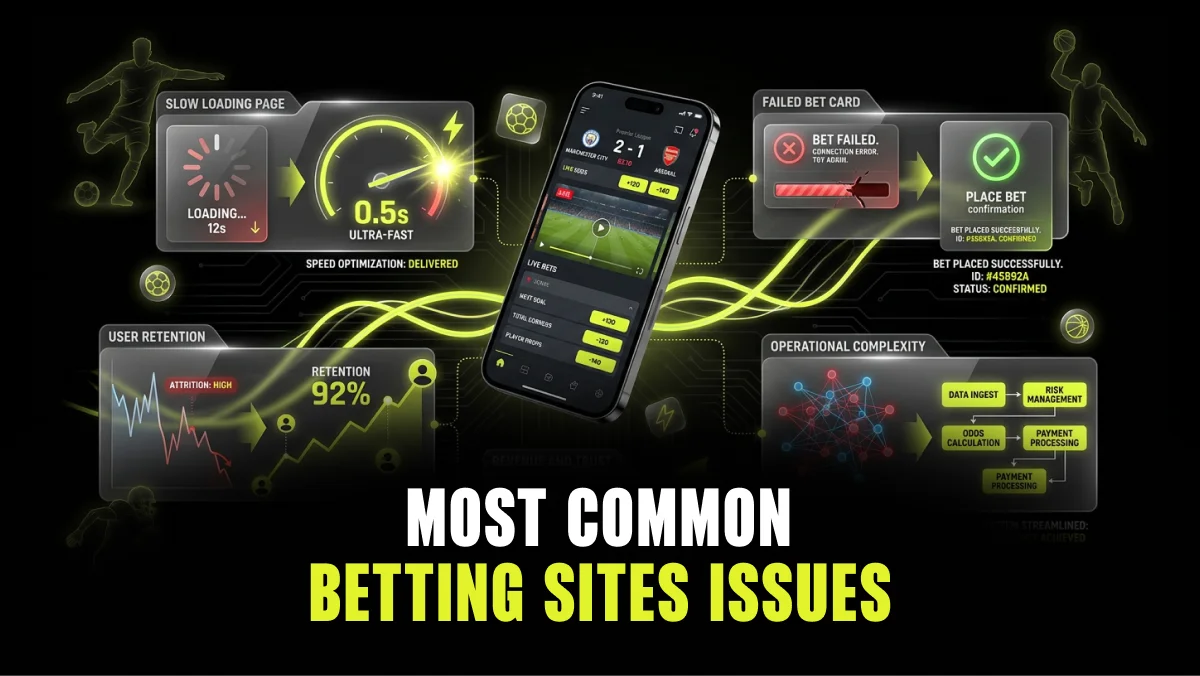
2026년 스포츠 베팅 업계는 실시간 베팅 수요에 부응하고, 연중무휴 베팅 일정을 유지하며, 이용자의 참여와 유지를 도모하고, 사기 및 위험을 관리하며, 더욱 엄격해진 규제를 헤쳐 나가는 등 중대한 과제에 직면해 있습니다. 스포츠 베팅 업계는 연간 10~11% 이상의 성장률을 보이고 있으며, 글로벌 시장 규모는 현재 약 1,000억 달러에서 2030년까지 거의 1,900억 달러로 두 배 가까이 확대될 것으로 예상됩니다. 시장이 꾸준히 성장하고 있지만, 이러한 문제들을 제대로 해결하지 못할 경우 수익성 저하, 이용자 이탈 증가, 스포츠북 업체에 대한 심각한 규정 준수 위험으로 이어질 수 있습니다. 이 기사에서는 스포츠 베팅 업계가 직면한 5가지 주요 과제와 이를 보다 효과적으로 극복할 수 있는 방법을 살펴보겠습니다.

2026년 5월 11일
스포츠북 소프트웨어 제공업체는 온라인 베팅 운영을 위해 사용되는 기술 플랫폼을 개발하는 기업으로, 배당률 관리와 리스크 통제부터 사용자 경험 및 결제 처리까지 모든 과정을 담당합니다. 오늘날 수많은 제공업체가 존재하는 만큼, 적합한 업체를 선택하는 것은 장기적인 성공에 매우 중요한 역할을 합니다. 이 기사에서는 여러분의 요구 사항을 충족하고 성장을 뒷받침할 수 있는 솔루션을 자신 있게 선택할 수 있도록, 최고의 스포츠북 소프트웨어 제공업체 10곳을 살펴보겠습니다.

2026년 5월 15일
플랫폼에서 실시간 경기 결과, 통계 및 베팅 인사이트를 제공하기 위해 신뢰할 수 있는 스포츠 데이터 API를 찾고 계신가요? Sportradar와 SportsDataIO는 널리 사용되는 두 가지 제공업체로, 스포츠 커버리지, 실시간 데이터 제공 및 개발자 경험 측면에서 각기 다른 강점을 가지고 있습니다. 이 글에서는 Sportradar와 SportsDataIO를 비교 분석하여, 두 서비스의 기능, 특징 및 대표적인 활용 사례를 살펴봄으로써 귀사의 요구 사항에 가장 적합한 솔루션을 결정하는 데 도움을 드리고자 합니다. 만약 두 제공업체 모두 귀사의 요구 사항을 완전히 충족시키지 못한다면, 스포츠북 중심의 데이터 및 운영을 위해 특별히 설계된 대안인 LSports도 소개해 드리겠습니다.
2026년 5월 15일
스포츠 데이터 분석 도구는 베팅 플랫폼을 위해 의미 있는 패턴과 추세를 파악하기 위해 방대한 양의 스포츠 관련 데이터를 수집, 처리 및 해석하는 소프트웨어 플랫폼입니다. 이러한 도구는 선수 성적 통계, 팀 전적, 경기 결과, 배당률 변동, 사용자 행동, 실시간 경기 지표 등의 데이터를 수집합니다. 이러한 도구는 베팅 플랫폼이 배당률을 책정하고, 위험을 관리하며, 운영을 최적화하는 방식을 완전히 변화시킬 수 있지만, 도구의 선택은 성능과 정확도에 직접적인 영향을 미치므로 신중하게 선택해야 합니다. 이 글에서는 베팅 플랫폼을 위한 최고의 스포츠 데이터 분석 도구 9가지를 살펴보고, 각 도구가 어떤 점에서 두각을 나타내는지 알아보겠습니다.

2026년 5월 15일
Sportradar는 전 세계적으로 선도적인 스포츠 데이터 API 제공업체로, 다양한 스포츠와 리그에 걸쳐 실시간 통계, 배당률 및 분석 데이터를 제공합니다. 그러나 공식 파트너십, 커버리지 구조 및 플랫폼의 복잡성 때문에 모든 개발자나 기업에 이상적인 선택이 아닐 수도 있습니다. 이 글에서는 여러분의 구체적인 요구 사항, 예산 및 기술적 요건에 더 잘 맞는 솔루션을 찾으실 수 있도록, Sportradar의 최고의 대안 10가지를 살펴보겠습니다.

2026년 5월 15일
귀사의 플랫폼에 실시간 경기 결과, 분석 데이터, 베팅 인사이트를 제공할 강력한 스포츠 데이터 제공업체를 찾고 계신가요? Sportradar와 Genius Sports는 두 가지 인기 있는 솔루션으로, 각각 데이터 커버리지, 기술, 파트너십 측면에서 뚜렷한 장점을 제공합니다. 이 글에서는 Sportradar와 Genius Sports를 비교하여, 각 서비스의 기능, 강점, 이상적인 활용 사례를 상세히 분석함으로써 귀사의 비즈니스에 가장 적합한 서비스를 선택하는 데 도움을 드리겠습니다. 또한 두 옵션 모두 귀사의 요구 사항을 완전히 충족하지 못하는 경우, 스포츠북을 위한 유연하고 비용 효율적이며 베팅에 중점을 둔 대안으로 LSports를 소개해 드리겠습니다.

2026년 5월 20일
스포츠북을 위한 팬 참여 플랫폼은 운영자가 게임화, 맞춤형 혜택, 로열티 프로그램, 실시간 콘텐츠 등의 기능을 통해 사용자를 유치하고, 유지하며, 참여를 유도하는 데 도움을 주는 도구입니다. 베터 중 77%가 더 나은 경험을 위해 플랫폼을 바꿀 의향이 있는 만큼, 사용자의 참여를 유지하는 것은 모든 스포츠북에게 가장 중요한 우선순위 중 하나가 되었습니다. 이 기사에서는 스포츠북을 위한 최고의 팬 참여 플랫폼 8가지를 살펴봄으로써, 여러분이 사용자 유지율을 높이고 사용자 활동을 증진시킬 수 있는 적합한 솔루션을 선택할 수 있도록 도와드리겠습니다.

2026년 5월 20일
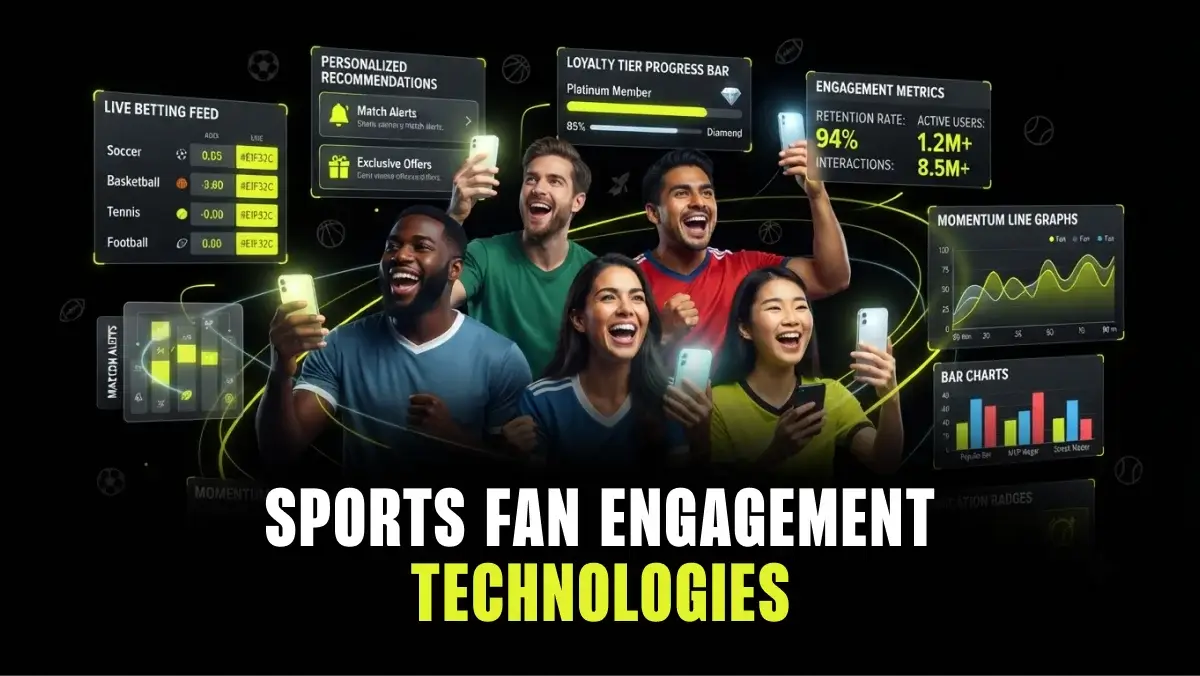
스포츠 베팅은 더 이상 단순히 베팅 시장을 제공하고 경쟁력 있는 배당률을 제시하는 것에 그치지 않습니다. 오늘날의 팬들은 더 많은 것을 기대합니다. 그들은 경기 전, 경기 중, 그리고 최종 휘슬이 울린 후에도 오랫동안 몰입할 수 있는 경험을 원합니다. 만약 여러분의 스포츠북이 팬들의 관심을 사로잡지 못한다면, 다른 업체가 그 자리를 차지할 것입니다. 사용자가 플랫폼에 대한 유대감을 더 많이 느낄수록, 다시 방문하고 더 많은 베팅을 하며 브랜드에 대한 지속적인 이용 습관을 형성할 가능성이 높아집니다. 이 기사에서는 치열한 시장에서 스포츠북이 두각을 나타내는 데 도움이 되는, 검증된 스포츠 팬 참여 전략을 자세히 살펴보겠습니다.
2026년 5월 20일
스포츠 베팅 광고 전략이란 베팅 업체들이 고객을 유치하고, 참여를 유도하며, 충성도를 높이기 위해 사용하는 방법과 기법을 말하며, 디지털 마케팅과 소셜 미디어 캠페인부터 인플루언서 제휴 및 타겟팅 프로모션에 이르기까지 다양한 형태를 포함합니다. 전 세계 스포츠 베팅 시장이 2030년까지 약 1,900억 달러 규모에 달할 것으로 전망됨에 따라 경쟁이 치열해지고 있어, 효과적인 광고의 중요성이 그 어느 때보다 커지고 있습니다. 이 기사에서는 효과적인 스포츠 베팅 광고 전략 6가지를 살펴봄으로써, 어떤 전략이 효과적인지 이해하고 이를 성공적으로 적용할 수 있도록 도와드리겠습니다.

2026년 6월 15일
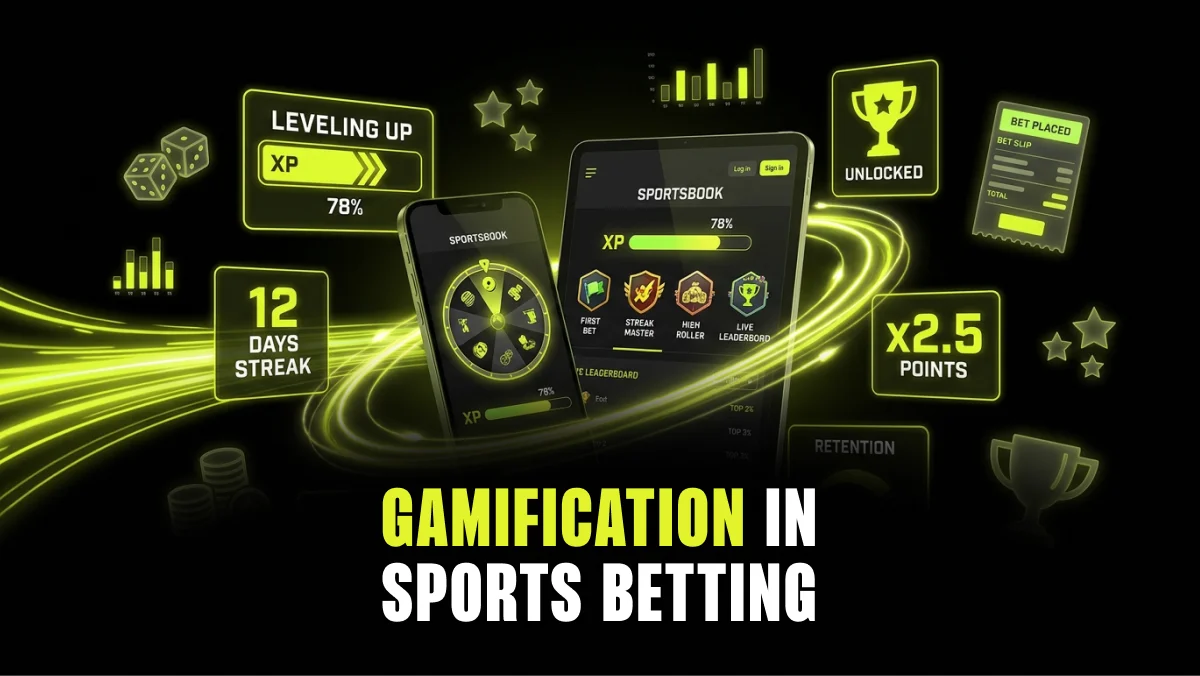
스포츠 베팅을 위한 게임화는 포인트나 경쟁과 같은 게임 요소를 활용하여 스포츠북 플랫폼의 사용자 경험을 향상시키는 것을 말합니다. 스포츠북에 게임과 유사한 요소가 도입되면 사용자들은 이를 더 흥미롭게 여기고, 더 오랫동안 플랫폼에 머무르며, 단골 고객이 될 가능성이 높아집니다. 연구에 따르면, 게임화 요소가 적용된 플랫폼의 월간 유지율은 업계 평균인 15~25%에 비해 30~40%에 달하는 것으로 나타났습니다. 이 글에서는 스포츠 베팅에서 게임화가 어떻게 작동하는지, 어떤 메커니즘이 성과를 이끌어내는지, 그리고 이를 도입하기 전에 알아야 할 사항에 대해 살펴봅니다.

2026년 6월 15일
스포츠 분야의 게임화는 스포츠 관련 앱에 경쟁 요소, 보상, 상호작용 메커니즘을 도입하는 방식입니다. 이는 수동적인 시청자를 적극적인 참여자로 전환함으로써 참여도와 유지율을 높이는 것을 목표로 합니다. 예를 들어, 스포츠 베팅 분야에서 TGM 리서치의 조사에 따르면, 베팅 이용자의 30%는 경쟁을 위해, 37%는 스릴과 경험을 위해 베팅하는 것으로 나타났습니다. 금전적 이익도 중요하지만, 이용자의 상당수는 스릴과 스포츠 자체에 대한 더 깊은 몰입을 동기로 삼고 있습니다. 이 기사에서는 스포츠 게이미피케이션의 기본 개념, 즉 이용자와 기업에 주는 이점, 그 효과의 배경이 되는 메커니즘, 스포츠 관련 산업에서의 게이미피케이션 사례 등을 설명합니다.

2026년 7월 23일
스포츠 앱에서 게임화는 챌린지, 보상, 순위표, 업적 시스템과 같은 게임적 요소를 활용하여 베팅 앱을 사용자에게 더욱 상호작용적이고 흥미로우며 동기 부여가 되는 공간으로 만듭니다. Smartico의 보고에 따르면, 게임화를 도입한 운영사는 게임화가 적용되지 않은 플랫폼의 약 50%에 비해 약 75%의 사용자 유지율을 달성할 수 있으며, 평균 30%의 매출 증가 효과도 거둘 수 있다고 합니다. 이 기사에서는 스포츠 앱에서의 게임화가 스포츠북 및 베팅 플랫폼의 사용자 참여도, 동기 부여, 그리고 장기적인 사용자 충성도를 어떻게 높이는지 살펴보겠습니다.

2026년 7월 24일
Genius Sports는 전 세계 스포츠북, 미디어 기업 및 스포츠 플랫폼에서 활용하는 실시간 스포츠 데이터, 베팅 기술 및 공식 리그 파트너십을 제공하는 업체입니다. 그러나 이 회사의 기업 중심 인프라와 공식 데이터 파트너십에 대한 의존도는 모든 비즈니스, 특히 더 유연한 통합 옵션과 폭넓은 맞춤 설정을 원하는 스타트업, 소규모 운영사 또는 개발자에게는 최선의 선택이 아닐 수 있습니다. 이 글에서는 여러분의 커버리지 요구 사항, 지연 시간 요건, 기술적 목표에 더 잘 부합하는 솔루션을 찾으실 수 있도록, Genius Sports의 최고의 대안 9가지를 살펴보겠습니다.
2026년 7월 24일
스포츠북 사용자 유지 도구는 운영자가 맞춤형 혜택, 로열티 프로그램, 게임화, CRM 자동화, 실시간 분석을 통해 사용자의 참여도를 높일 수 있도록 설계된 플랫폼입니다. 스포츠북에 신규 이용자를 유치하고 있음에도 불구하고, 이들이 짧은 시간 만에 이탈하는 현상이 지속된다면, 이용자의 참여를 유지하고 충성도를 높이며 이탈률을 낮출 수 있는 보다 스마트한 유지 솔루션을 모색해 볼 때입니다. 이 기사에서는 스포츠북 이용자 유지를 위한 최고의 도구 8가지를 살펴보고, 이러한 도구들이 어떻게 장기적인 이용자 관계를 구축하고 평생 가치(LTV)를 극대화하는 데 도움이 되는지 알아보겠습니다.
2026년 7월 24일
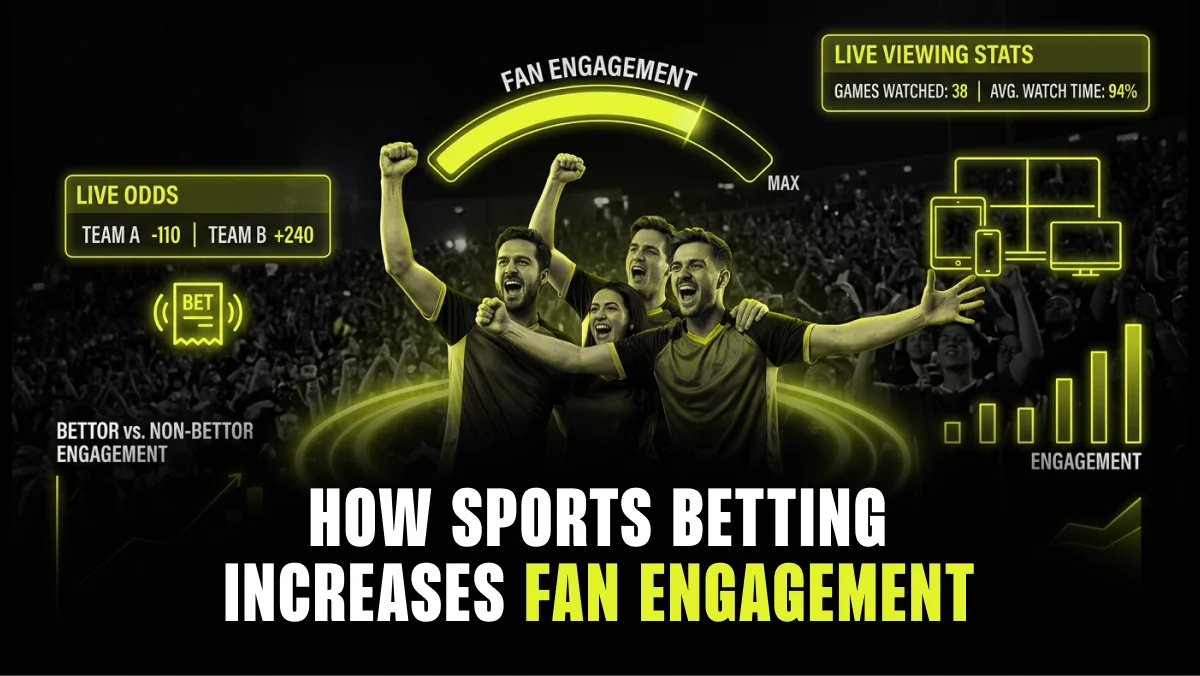
스포츠 베팅은 팬 참여도를 높이는 강력한 원동력이 되어, 수동적인 시청자들을 경기 결과에 정서적·재정적으로 더 깊이 몰입하는 적극적인 참여자로 변화시키고 있습니다. 스포츠 베터들은 비베터들에 비해 경기 전체를 시청하거나, 여러 경기를 동시에 따라가거나, 다양한 플랫폼을 통해 스포츠 콘텐츠에 참여하는 비율이 현저히 높습니다. 스포츠북 업체의 경우, 이는 더 많은 인플레이 베팅 기회, 더 활발한 베팅 활동, 더 높은 고객 유지율, 그리고 더 큰 고객 생애 가치로 이어집니다. 이 기사에서는 스포츠 베팅이 어떻게 팬 참여도를 높이는지, 왜 시청 행동을 변화시키는지, 그리고 이것이 스포츠 엔터테인먼트의 미래에 어떤 의미를 지니는지 살펴보겠습니다.
2026년 7월 24일
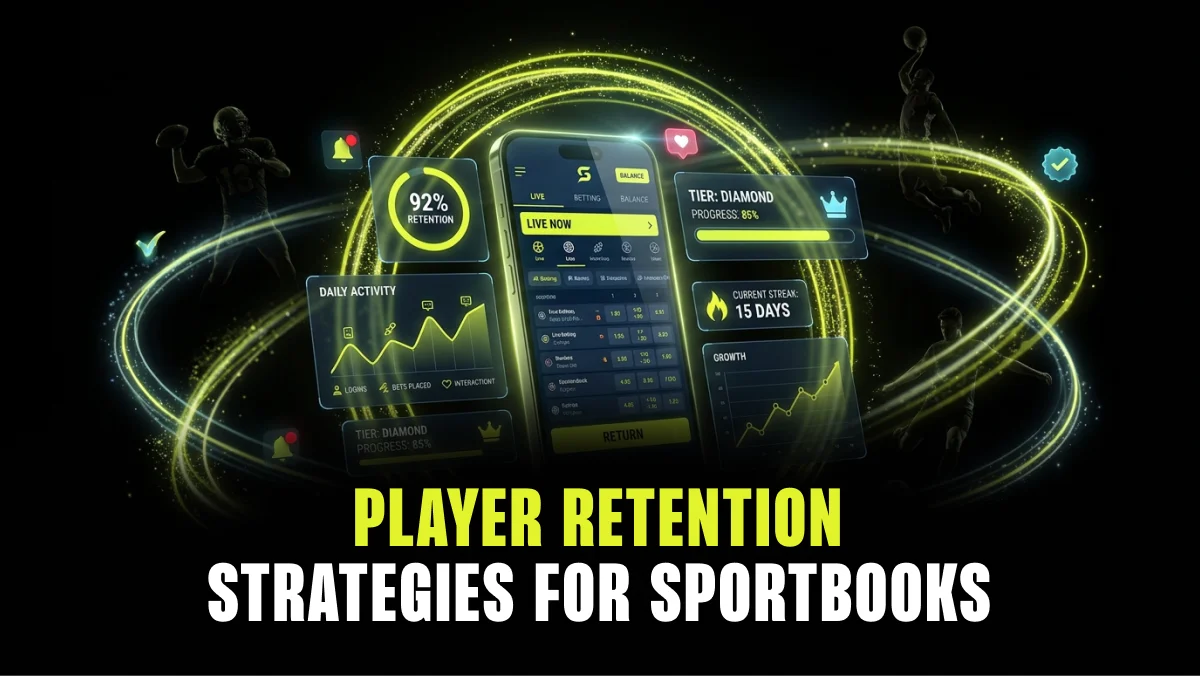
플레이어 유지율이란, 스포츠북이 사용자들이 처음 몇 번의 이용 후 이탈하는 대신, 지속적으로 플랫폼에 관심을 갖고 만족감을 느끼며 꾸준히 재방문하도록 만드는 능력을 말합니다. 운영사들은 온라인 도박 분야에서 유지율을 높이기 위해 실시간 데이터는 물론, 개인 맞춤화, 원활한 사용자 경험, 그리고 플레이어의 행동과 선호도에 부합하는 매력적인 기능을 활용합니다. 이 기사에서는 충성도와 장기적인 가치를 높이는 데 도움이 될 수 있는 최고의 플레이어 유지 전략 10가지를 살펴보겠습니다.

2026년 7월 28일
스포츠 베팅 플랫폼의 현지화란 소프트웨어, 콘텐츠 및 사용자 경험을 각 시장의 언어적, 문화적, 법적, 기술적 요구 사항에 맞게 조정하는 것을 의미합니다. 새로운 지역으로의 진출을 고려하고 있다면, 규제 준수 및 결제 선호도부터 언어적 미묘한 차이 및 사용자 행동에 이르기까지 고려해야 할 몇 가지 핵심 요소가 있습니다. 각 시장은 고유한 요구 사항을 가지고 있으므로, 현지화는 복잡하지만 성공을 위해 필수적인 단계입니다. 이 기사에서는 스포츠 베팅 소프트웨어 현지화 과정에서 직면하는 6가지 과제와 이를 극복하는 방법을 알아보겠습니다.
2026년 7월 29일
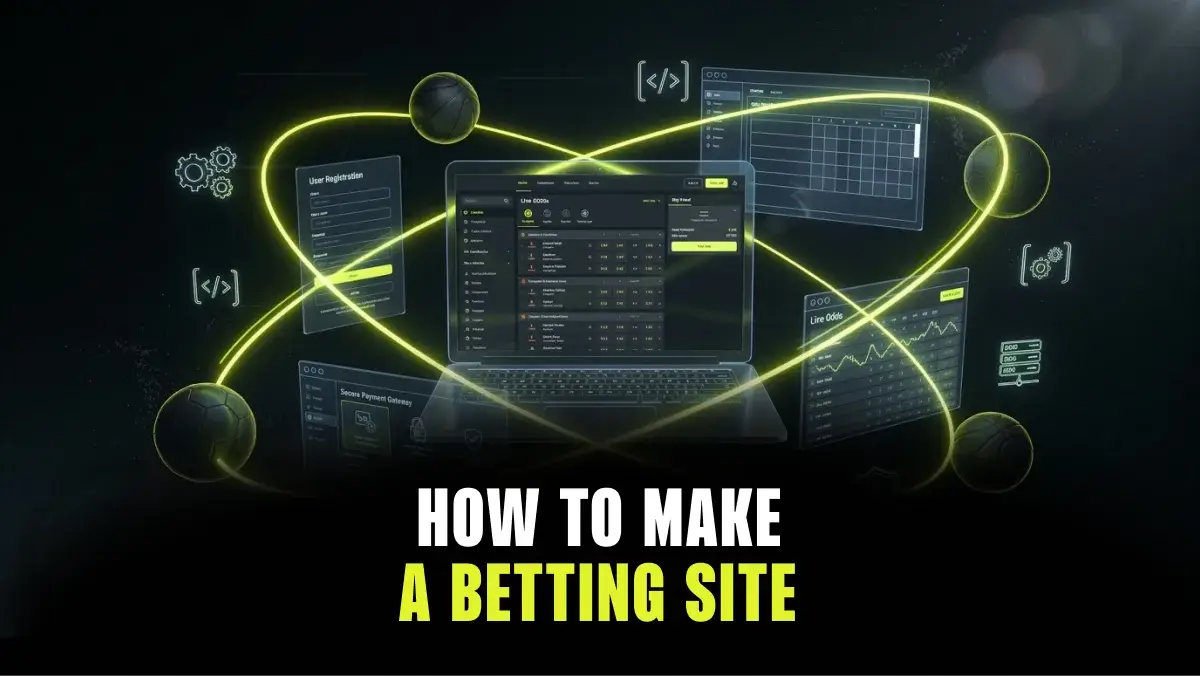
베팅 사이트는 사용자가 스포츠 경기, 카지노 게임 또는 기타 결과에 대해 실제 돈이나 상금을 걸고 베팅할 수 있는 온라인 플랫폼입니다. 베팅 사이트를 시작할 계획이라면 고려해야 할 사항이 많습니다. 법적 규정 및 라이선스 취득부터 플랫폼 개발, 결제 시스템, 사용자 보안에 이르기까지, 안전하고 신뢰할 수 있는 서비스를 제공하기 위해서는 모든 세부 사항을 신중하게 계획해야 합니다. 이 글에서는 6단계에 걸쳐 베팅 사이트를 만드는 방법을 알아보며, 자신감을 가지고 플랫폼을 출시하고 성장시킬 수 있도록 도와드리겠습니다.

2026년 7월 29일
스포츠 베팅 플랫폼의 사용자 경험을 개선한다는 것은 사용자가 쉽고 자신 있게 베팅할 수 있도록 돕는, 빠르고 직관적이며 몰입감 있는 환경을 조성하는 것을 의미합니다. 스포츠 베팅 플랫폼을 개선하려는 중이라면, 복잡한 탐색 구조, 느린 성능, 낮은 사용자 유지율, 또는 낮은 사용자 참여도 같은 문제로 어려움을 겪고 계실 수 있습니다. 이 기사에서는 온라인 스포츠 베팅 플랫폼의 사용자 경험을 개선하는 방법을 알아보고, 사용 편의성, 고객 만족도, 장기적인 유지율을 높일 수 있는 실용적인 전략을 확인해 보실 수 있습니다.
2026년 7월 29일
배당률 산출 소프트웨어는 통계 모델, 거래 규칙, 시장 데이터 및 리스크 관리 도구를 단일 시스템으로 통합하여 스포츠북이 베팅 배당률을 생성, 조정 및 관리할 수 있도록 지원하는 플랫폼입니다. 스포츠북 플랫폼을 출시하거나 확장하려는 경우, 거래 효율성을 높이고 마진 계산을 자동화하며 전반적인 베팅 경험을 향상시키기 위해서는 적합한 배당률 산정 소프트웨어를 선택하는 것이 필수적입니다. 이 기사에서는 여러분의 스포츠북 플랫폼에 가장 적합한 배당률 산정 소프트웨어를 선택할 수 있도록, 최고의 배당률 산정 소프트웨어 제공업체 8곳을 살펴보겠습니다.
2026년 7월 29일
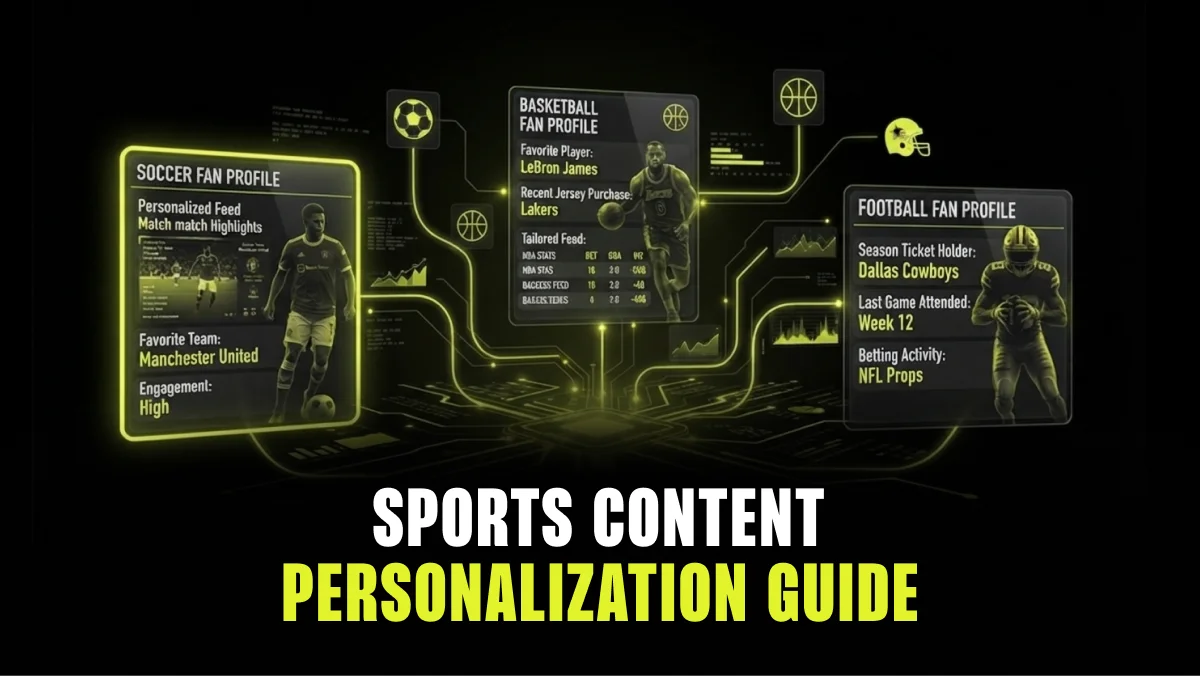
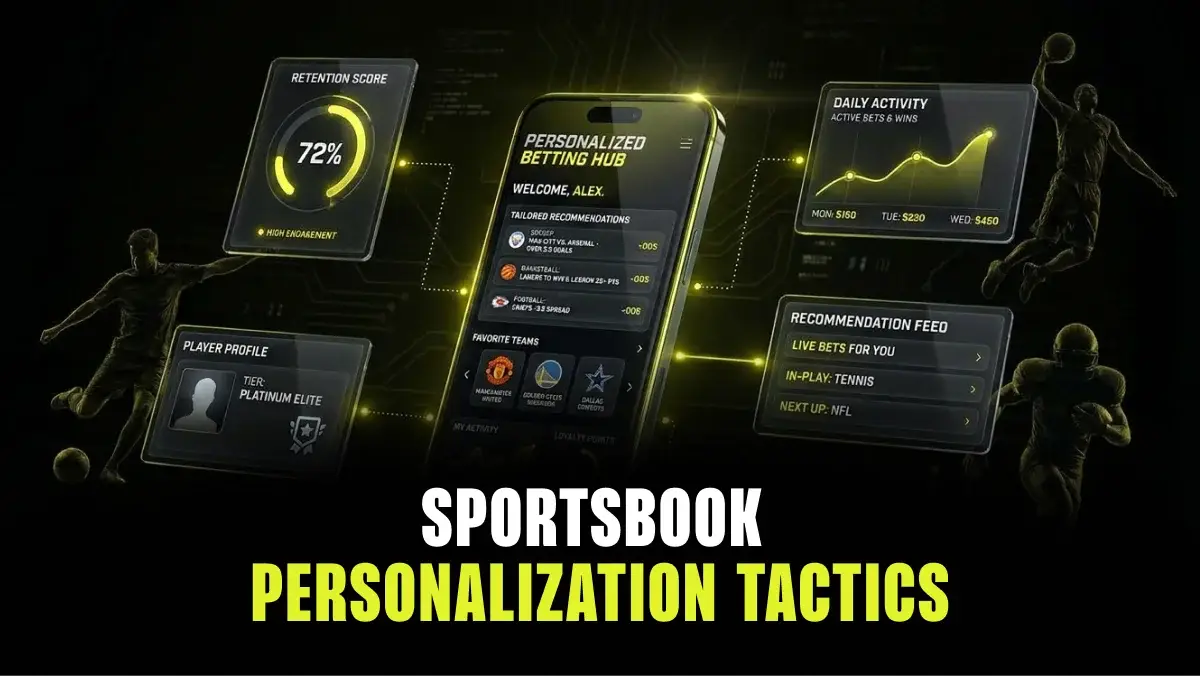
스포츠북 개인화 전략이란 개별 플레이어의 선호도, 행동 양상, 활동 패턴에 따라 베팅 경험을 맞춤화하는 전략을 말합니다. LSports의 2024년 설문조사에 따르면, 스포츠북 운영사의 72%가 개인화를 플레이어 유지율 향상의 가장 중요한 요인으로 꼽았습니다. 따라서 플레이어의 참여도를 높이고, 충성도를 강화하며, 경쟁이 치열한 시장에서 두각을 나타내고자 한다면 올바른 개인화 접근 방식을 도입해야 합니다. 이 글에서는 더 매력적이고 보람 있는 이용자 경험을 제공하는 데 도움이 될 수 있는 다섯 가지 효과적인 스포츠북 개인화 전략을 살펴보겠습니다.

2026년 8월 3일
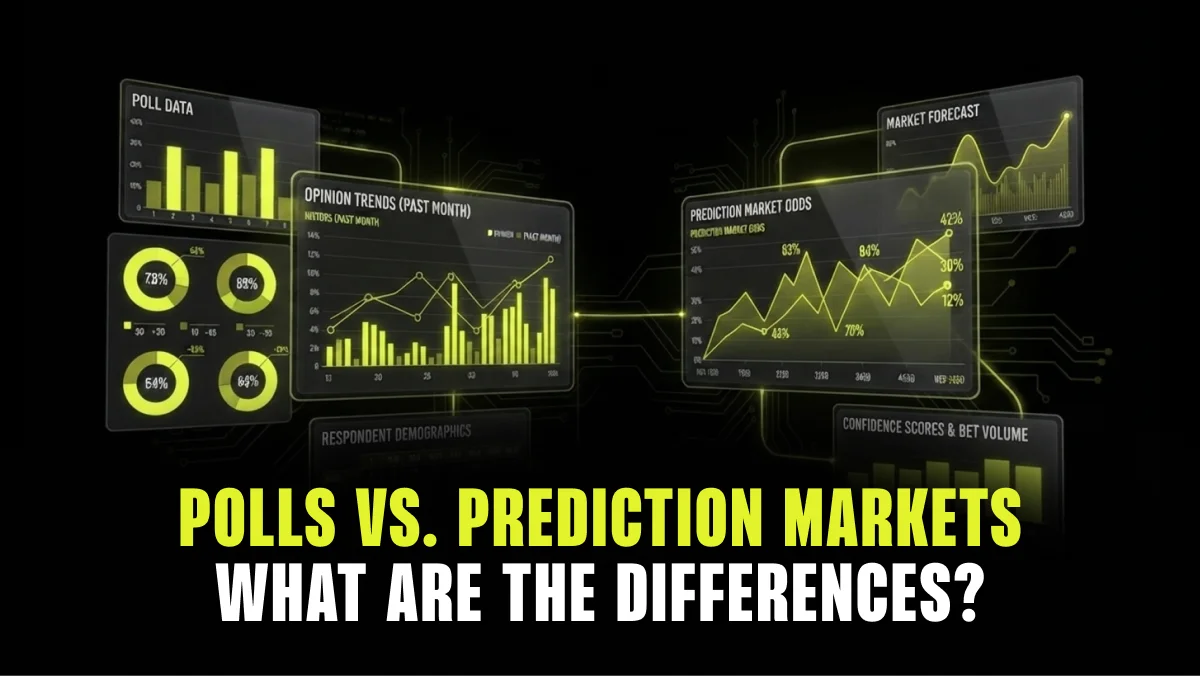
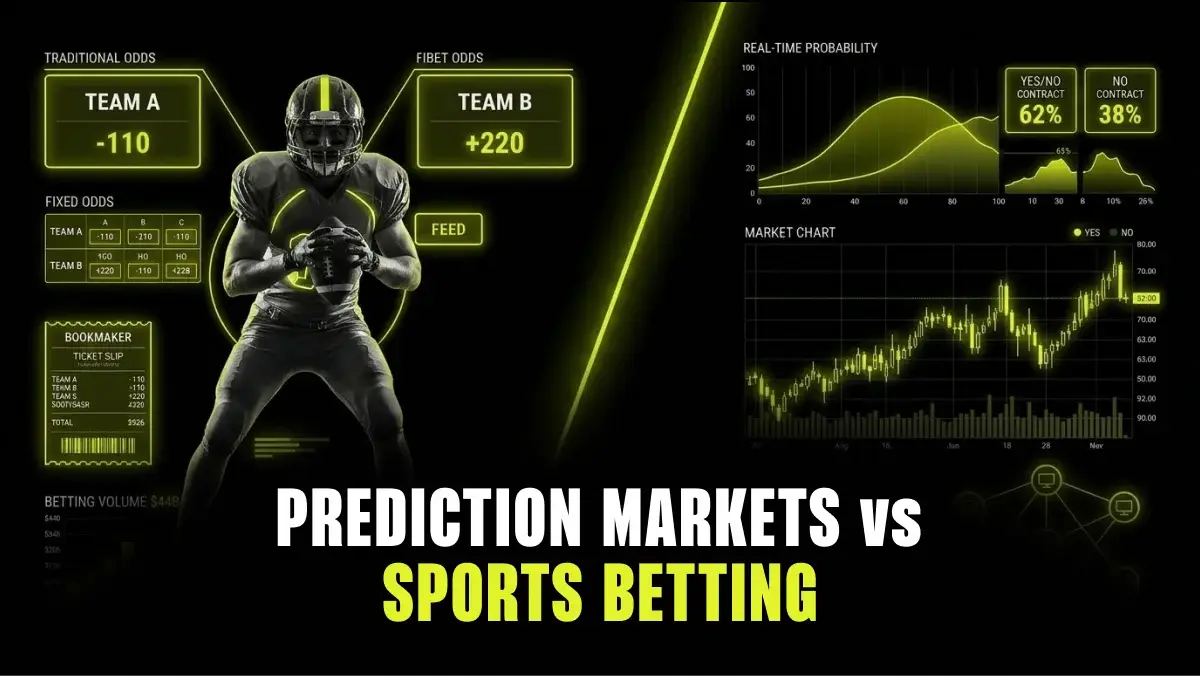
예측 시장은 사용자가 미래 사건의 결과에 대해 거래하는 플랫폼으로, 집단의 심리와 데이터를 바탕으로 실시간 확률 예측을 도출할 수 있게 해줍니다. 스포츠 베팅 업체의 경우, 예측 시장 메커니즘을 통합하면 사용자 참여도를 높이고, 재방문율을 향상시키며, 기존의 배당률을 넘어선 새로운 상호작용형 베팅 경험을 제공할 수 있습니다. 이 글에서는 참고할 만한 최고의 예측 시장 플랫폼 7곳을 살펴보고, 각 플랫폼을 돋보이게 하는 특징, 메커니즘, 사용자 경험을 집중 조명해 보겠습니다.

2026년 8월 3일
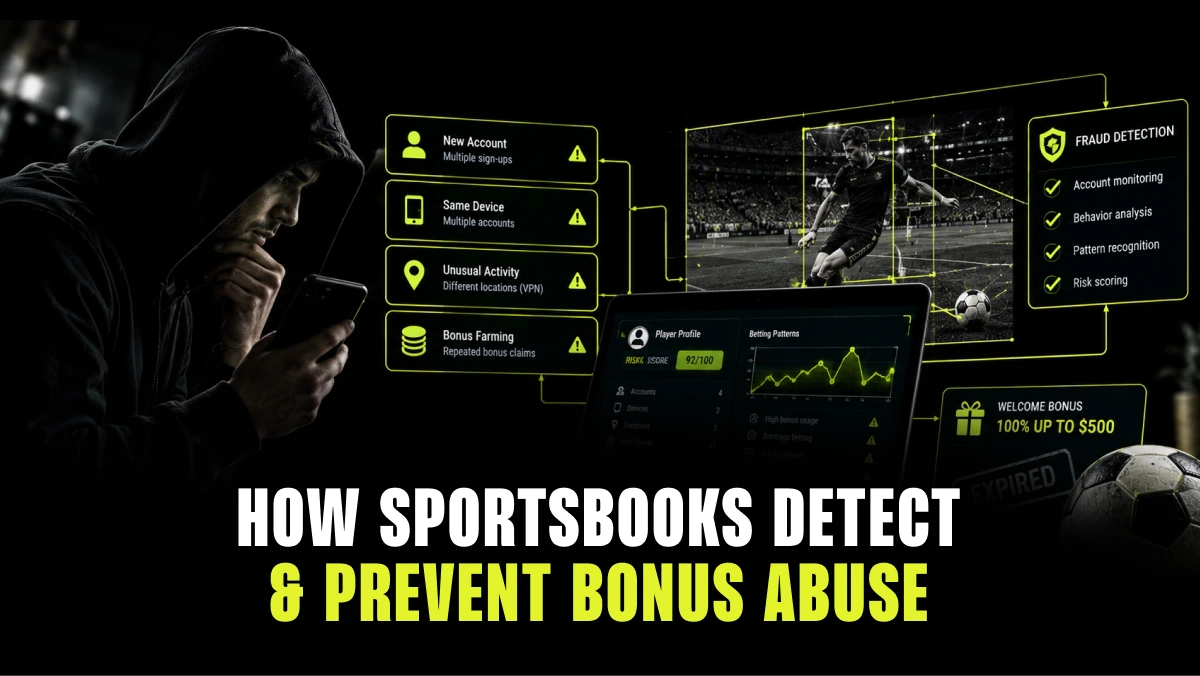
스포츠 베팅에서의 리스크 관리는 잠재적 손실을 제한하는 동시에 스포츠북의 지속적인 수익성을 보장하기 위해 베팅 활동을 모니터링하고 통제하는 것을 의미합니다. 성공적인 스포츠북과 어려움을 겪는 스포츠북을 구분 짓는 가장 큰 요소 중 하나는 리스크를 얼마나 효과적으로 관리하느냐에 있습니다. 이 기사에서는 스포츠 베팅의 리스크 관리에 대해 알아야 할 모든 것을 배우게 될 것이며, 이를 통해 전략을 최적화하고 리스크 노출을 줄이며 자신감을 가지고 비즈니스를 성장시킬 수 있을 것입니다.