2023年7月18日
博彩公司的作用:体育博彩赔率是如何制定的
体育博彩是全球数百万人都乐在其中的活动。除了获得经济收益的机会外,它还能为投注者带来刺激感和即时满足感。赔率是这种体验的基础,但你是否曾好奇过这些赔率究竟是如何确定的?在本文中,我们将揭开这一神秘面纱,探索博彩公司的迷人世界,并了解他们是如何得出那些让我们都为之兴奋的数字的。

在本文中
订阅
保持领先地位
获取有关体育数据、博彩趋势和行业新闻的最新见解——直接发送到您的收件箱。
这是一个标题
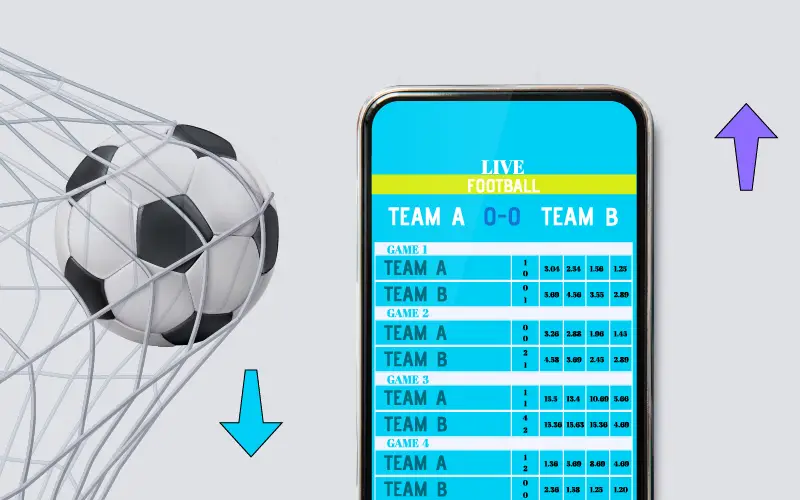
So, what are betting odds? In a nutshell, sports betting odds are numerical representations of the probability of specific outcomes in a sporting event. Presented in various formats (such as decimal, fractional, or American odds), they indicate the potential payout a bettor can receive based on their stake. Higher odds suggest a lower likelihood of the outcome occurring, offering a higher potential payout, while lower odds reflect a higher probability with a lower potential return.
Bookmakers (bookies) are the masterminds behind odds setting in sports betting. By having access to comprehensive and accurate databases provided in real-time, in the shape of betting odds feeds, odds services, and sports odds APIs, they collect and process an abundance of information before deciding how to set the odds for various sporting events.
But there is more on bookmakers’ plate than just looking at raw data. Acting as sports detectives trying to determine the likelihood of different outcomes, bookies effectively put together a puzzle with all the information they can find.
Here are some factors they consider before setting the odds:
1) Team/player Performance: Bookies closely analyze the performance of teams and players involved in a particular event. They assess recent form, past results, and overall skill levels. Stronger teams or players are likely to have lower odds, reflecting their higher chances of winning.
2) Injuries or suspensions: Bookies consider any factors that could impact the performance of teams or players, including the absence of key players or participants They consider the significance of the absence and adjust the odds accordingly. If, for instance, Giannis Antetokounmpo is out with an injury, Milwaukee Bucks would most likely get higher odds of winning the game.
3) Historical data and head-to-head matchups: Historical data and direct matchups between teams or players are also a factor. This information helps bookies analyze participants’ performance patterns and tendencies, enabling more accurate odds setting.
4) Home-court advantage and environmental factors: Bookies consider the influence of home-crowd advantage and weather conditions (especially in outdoor sports). These factors can impact the performance and outcome of a game, leading to adjustments in the odds.
5) Public Sentiment and Betting Trends: Bookies give weight to the opinions and sentiments of sports fans. They try to read the fans and media’s views and forecasts ahead of sporting events, also taking into consideration the popularity of teams or players. If a popular choice attracts many bets, bookies may adjust the odds to encourage more bets on the opposing side.
6) Market fluctuations: Bookies closely monitor the market for any significant changes in odds. They watch other bookmakers and betting exchanges to ensure their odds are competitive and aligned with the overall market.
7) Risk management: Bookies want to make sure they don’t lose their shirts. This is why they aim to balance the book by attracting similar bets on all possible outcomes, reducing the risk of significant losses for the bookmaker regardless of the outcome.