27 de janeiro de 2026
O mito da margem: como a fixação de preços “segura” estava, silenciosamente, prejudicando o crescimento de uma casa de apostas de primeira linha
Nesse setor, todo mundo fala sobre “engajamento” e “experiência do usuário”. Criamos aplicativos chamativos, integramos feeds de redes sociais e tentamos transformar uma aposta transacional em um ecossistema de entretenimento. Mas eis a verdade sem censura: você pode ter a plataforma de apostas sociais mais bonita do mundo, mas se sua lógica de preços subjacente for estática, estará apenas decorando uma casa com uma fundação que está desmoronando. Já vi isso acontecer repetidamente com grandes operadoras. Elas crescem a uma velocidade vertiginosa, priorizando a entrada no mercado e o lançamento de novos recursos em detrimento da eficiência de custos. Elas desenvolvem tecnologia própria para se manterem “inovadoras”, mas depois esbarram em uma parede. À medida que seu volume cresce 20 vezes ou 30 vezes, seus custos operacionais — e, especificamente, suas perdas de margem — começam a crescer mais rápido do que sua receita.


Neste artigo
Inscreva-se
Fique à frente do jogo
Receba as últimas análises sobre dados esportivos, tendências de apostas e notícias do setor — diretamente na sua caixa de entrada.
Este é um título
The Problem: The Trap of Static Margins
Most sportsbooks are fighting a battle against inefficiency. They rely on manual or static margin settings that lead to a “one size fits all” approach across different sports and customer segments.
This creates three massive pain points:
- The Competitiveness Gap: If your margins are too high to “protect” yourself, you drive away the sharpest customers.
- The Profitability Leak: If they are too low, or if your team is too slow to react to market shifts (like public bias on favorites or “fan factors”), you’re left holding the bag on suboptimal prices.
- The Operational Ceiling: Your trading team becomes a group of “investigators” looking at yesterday’s losses rather than “defenders” of your future margin.
The Anecdote: Scaling into Inefficiency
A massive Tier-1 operator we worked with was a victim of its own success. They had transitioned from a transactional site to a full-blown entertainment hub. They were growing globally, backed by serious institutional investment. But their growth had a dark side: they had taken so many “shortcuts” to get to market quickly that their pricing algorithms couldn’t keep up with their scale.
They were facing a classic trade-off: do it quick or do it cheap. They chose quick.
The result? Their trading desk was overwhelmed. They couldn’t commit to long-term data structures because their demand fluctuated so wildly during big matches. They were leaving money on the table because they couldn’t balance competitiveness with profitability in real-time. They were effectively guessing where the “low-hanging fruit” was while their cloud and data costs spiraled.
Our Solution: Dynamic Algorithmic Intelligence
We didn’t just give them a better data feed; we introduced advanced, automated margin algorithms. The shift was transformative.
- Real-Time Adjustments: Instead of static settings, the system now automates margin shifts based on real-time market conditions and risk exposure.
- Expanded Coverage: By automating the “boring” parts of price modeling, they were able to increase their event coverage and niche market offerings without adding more headcount.
- From Manual to Strategic: We moved their trading team away from manual intervention. This reduced human error and allowed them to focus on high-level business strategy rather than micro-managing odds.
Key Takeaway: Profit Optimization is a Tech Problem, Not a Trading Problem
If you are still trying to manage your margins through “feel” or static rules, you aren’t running a modern sportsbook; you’re running a legacy bookie on a fancy server.
In today’s market, coverage is the new competition. The operators who win are those who can offer bespoke betting opportunities and granular data, like specific player props or niche markets, while keeping their margins mathematically optimized in a millisecond.
You don’t need more traders. You need better math.
Artigos relacionados








19 de outubro de 2026
Explore as melhores alternativas ao FeedConstruct para encontrar um provedor de dados esportivos que atenda às necessidades da sua casa de apostas em termos de cotações ao vivo, negociação e gestão de riscos.


28 de outubro de 2026
Procurando uma alternativa ao Bettormetrics? Compare os principais provedores de dados de apostas em termos de cobertura de cotações, análises de preços e integração para encontrar a opção mais adequada para você.


1º de novembro de 2026
Minha sexta edição da G2E: o que os operadores de apostas esportivas discutiram na G2E 2026, desde a regulamentação dos mercados de previsão até novos produtos, novos esportes e uma perspectiva de crescimento para 2027.

11 de outubro de 2026
A MP 1.394 do Brasil proíbe as apostas com odds fixas em todo o país. Veja a seguir o que a medida prevê, quais foram as lições aprendidas por outros mercados e o que isso significa para as operadoras da América Latina.












29 de setembro de 2026
Tanto os mercados de previsão quanto a negociação de ações permitem que as pessoas comprem e vendam ativos por meio de uma bolsa ou plataforma de negociação.
No entanto, os contratos dos mercados de previsão estão vinculados aos resultados de eventos futuros, enquanto as ações representam participação acionária em empresas. Os dois são fundamentalmente diferentes no modo como funcionam e nos riscos que envolvem.

30 de março de 2023
As apostas esportivas têm se tornado cada vez mais populares ao longo dos anos, com milhões de pessoas em todo o mundo acompanhando e fazendo apostas em uma ampla variedade de eventos, seja antes da partida ou em tempo real. Um dos fatores mais importantes para estabelecer e manter uma casa de apostas de sucesso é ter acesso a dados precisos e confiáveis sobre apostas esportivas. É aí que entram os provedores de dados – mas como escolher o mais adequado às suas necessidades?

16 de julho de 2024
Você sonha em abrir sua própria casa de apostas esportivas? Antes de mergulhar de cabeça, há algumas considerações essenciais a serem levadas em conta, já que abrir uma casa de apostas legal e licenciada do zero não é tarefa fácil. Neste artigo, você encontrará tudo o que precisa saber para colocar seu negócio em funcionamento e se tornar uma alternativa confiável para os apostadores esportivos.

23 de julho de 2024
O mundo das apostas esportivas está se tornando digital, e rapidamente. A cada ano, bilhões são apostados online, deixando aqueles que ainda não deram esse salto correndo para recuperar o atraso. Se a sua casa de apostas ainda opera exclusivamente em lojas físicas, é hora de encarar a realidade: criar uma presença digital não é mais opcional. No fim das contas, a transição para o mundo digital é a diferença entre prosperar e simplesmente sobreviver. Não sabe por onde começar? Depois de compartilharmos nossas ideias sobre “Como abrir sua própria casa de apostas esportivas”, agora queremos compartilhar dicas sobre como criar sua presença online; considere este artigo seu guia para construir uma casa de apostas online que não apenas concorra, mas domine o cenário digital.

6 de agosto de 2024
Nos últimos anos, a retenção de usuários tornou-se o principal objetivo e um dos maiores desafios para muitas casas de apostas em todo o mundo. À medida que as estratégias de aquisição de novos jogadores atingem seus limites e os custos de marketing aumentam, as casas de apostas percebem que manter uma base de usuários fiéis por meio da retenção é o único caminho sustentável a seguir.

12 de agosto de 2024
O setor de apostas esportivas está em franca expansão. Novos mercados surgem constantemente, e a concorrência é acirrada. Para não apenas sobreviver, mas também prosperar, sua casa de apostas precisa de uma vantagem de marketing que gere resultados mensuráveis. Essa estratégia comprovada, embora muitas vezes subutilizada, pode ser um divisor de águas na aquisição de clientes. O conceito é simples: os afiliados promovem sua casa de apostas e, em troca, você lhes paga uma comissão sobre a receita que eles geram. Ao fazer parceria com a LSports, você pode oferecer aos seus afiliados um produto de dados esportivos líder mundial para promover. Isso aumenta o apelo da sua casa de apostas, tornando mais atraente para os afiliados fazerem parceria com você.

19 de agosto de 2024
Depois de termos falado sobre “Como abrir sua própria casa de apostas esportivas”, queremos aprofundar o assunto e abordar como administrar um negócio bem-sucedido. As oportunidades são abundantes no setor de apostas esportivas. Como casa de apostas, você claramente tem uma grande chance de lucrar muito, à medida que mais pessoas apostam em seus times favoritos. No entanto, o sucesso nesse cenário em constante mudança exige muito mais do que apenas paixão. É preciso contar com as ferramentas, o conhecimento e as estratégias adequadas. Depois de abrir sua própria casa de apostas e até mesmo dar os primeiros passos para estabelecer sua presença online, você precisa saber como administrar um negócio de apostas esportivas de sucesso. Se quiser deixar sua marca, é preciso seguir as regulamentações, aproveitar ao máximo dados confiáveis e criar uma interface de usuário que incentive os apostadores a voltarem à sua plataforma. Este guia aborda esses elementos importantes para ajudá-lo não apenas a sobreviver, mas também a se destacar no mercado americano de apostas esportivas.

26 de agosto de 2024
O setor de apostas esportivas está maior do que nunca, com ligas, franquias, jogadores e emissoras estabelecendo parcerias com casas de apostas. Em 2022, o setor de apostas esportivas foi avaliado em cerca de US$ 235,46 bilhões, e esse número não parou de crescer. Dados mostram que cerca de 30% das pessoas com idades entre 18 e 34 anos, 25% entre 35 e 49 anos, 25% entre 50 e 64 anos e 20% com 65 anos ou mais participaram de apostas esportivas em 2023. Esses números só tendem a aumentar à medida que o setor se mantiver na vanguarda. Não existe uma casa de apostas perfeita; portanto, agora é o momento ideal para planejar algumas estratégias que farão você se destacar entre seus concorrentes e criar uma plataforma mais interativa e envolvente para os apostadores.

2 de setembro de 2024
No último ano, as casas de apostas parecem ter se tornado o produto mais procurado no mercado de parcerias esportivas. Atualmente, mais de 25 das 32 equipes da NFL têm pelo menos um patrocinador na área de apostas esportivas ou de fantasy sports diário, enquanto quase todas as equipes da NBA já mantêm parceria com uma casa de apostas. Hoje, vamos analisar como esse tipo de parceria pode trazer enormes benefícios para a sua casa de apostas.

19 de setembro de 2024
As apostas esportivas são um fenômeno enorme e em crescimento nos Estados Unidos. Desde que a Suprema Corte do país legalizou a prática em 2018, o mercado de apostas esportivas disparou, transformando-se em um setor de US$ 10 bilhões. Analistas e especialistas do setor acreditam que a demanda por apostas esportivas nos EUA só tende a crescer e pode se tornar um setor de US$ 45 bilhões. Com tantas oportunidades de crescimento, esse é um mercado que só deve continuar a trazer benefícios para casas de apostas como a sua, especialmente se você estiver buscando expandir seus negócios. No entanto, se você administra uma casa de apostas fora dos EUA, há alguns fatores que você deve conhecer. Vamos explicá-los a seguir.

26 de setembro de 2024
As apostas esportivas online se tornaram a forma cada vez mais popular e exclusiva pela qual a maioria dos apostadores faz suas apostas, e as casas de apostas estão aderindo a essa tendência. É fácil entender o motivo. Em vez de gastar grandes quantias de dinheiro construindo e inaugurando um cassino físico, na esperança de que os clientes venham apostar nos jogos, as casas de apostas podem se conectar com clientes em qualquer lugar do mundo, 24 horas por dia, por meio de seus aplicativos móveis. Depois de abrir sua casa de apostas, recomendamos enfaticamente que você considere desenvolver seu próprio aplicativo móvel.

7 de outubro de 2024
As apostas esportivas online são um setor em crescimento em muitos países, e espera-se que esse crescimento continue no futuro. Já se foram os dias em que as casas de apostas precisavam construir um cassino físico para oferecer apostas. Embora algumas localidades ainda restrinjam as apostas esportivas a locais físicos e os cassinos continuem lucrativos, as casas de apostas emergentes estão apostando no desenvolvimento de aplicativos móveis de apostas esportivas. De fato, 75% dos apostadores preferem apostar online, de acordo com a Drive Research. Em nosso último artigo, “Como desenvolver seu próprio aplicativo móvel de apostas esportivas”, falamos sobre o processo de desenvolvimento do aplicativo. Neste artigo, discutiremos os desafios que você enfrentará ao criar seu aplicativo de apostas esportivas online. Vejamos alguns deles a seguir.

15 de outubro de 2024
As apostas esportivas online não são apenas um mercado lucrativo e em crescimento, mas também muito competitivo. Seus concorrentes incluem tanto grandes marcas consolidadas quanto novos participantes ambiciosos. Você precisa garantir que os apostadores escolham o seu site para fazer suas apostas, em vez dos seus concorrentes. Vamos examinar a seguir cinco dos fatores mais importantes que você deve levar em consideração.

22 de outubro de 2024
As apostas esportivas online são um fenômeno em crescimento em todo o mundo. No entanto, elas não são legais em todos os lugares, e as regulamentações variam de acordo com o país, estado ou província. Como operadora de apostas esportivas, é importante que você faça uma análise cuidadosa antes de lançar ou expandir suas operações para novos países. Vamos examinar a seguir algumas das regulamentações relativas às apostas esportivas em diferentes países e continentes, conforme a situação no momento da redação deste artigo.

7 de novembro de 2024
Por trás de toda casa de apostas de sucesso há uma API de dados esportivos bem integrada. As APIs são as salas de máquinas das casas de apostas, desempenhando duas tarefas cruciais: fornecer acesso a dados históricos e oferecer atualizações em tempo real, segundo a segundo, sobre eventos ao vivo. As APIs de dados esportivos acompanham placares, desempenho das equipes, estatísticas dos jogadores e outros detalhes cruciais, que são transmitidos às casas de apostas parceiras em tempo real. Os algoritmos das casas de apostas utilizam essas informações para ajustar suas cotações e ofertas, a fim de atender melhor aos clientes. Se você administra uma casa de apostas, integrar uma excelente interface de programação de aplicativos (API) pode fazer toda a diferença em um mercado altamente competitivo, onde pequenas diferenças fazem a diferença. Mas como determinar o melhor provedor de API de dados esportivos para integrar à sua casa de apostas? Este guia responde a essa pergunta, destacando as principais características de uma API de excelência.

26 de novembro de 2024
O setor de apostas esportivas está mais competitivo do que nunca, com as operadoras lutando com unhas e dentes para se destacarem no mercado. Uma coisa é certa sobre o setor: é um jogo em que o vencedor leva tudo, e somente as casas de apostas com estratégias eficazes conseguem sobreviver e prosperar. Uma das melhores maneiras de fazer sua casa de apostas se destacar é implementar excelentes táticas promocionais e de marketing para atrair clientes. Pesquisamos diversas estratégias promocionais e, atualmente, o marketing nas redes sociais lidera a lista. Estamos na era da Geração Z, e a maioria dos grandes gastadores e dos que buscam diversão está presente em pelo menos uma plataforma de rede social. Muitos apostadores ativos e entusiastas passivos estão em diferentes redes sociais, incluindo X, Instagram, Bluesky, Facebook, YouTube e TikTok.

5 de dezembro de 2024
Um dos principais pontos positivos das apostas esportivas online é a popularização das apostas em eSports. Essa opção de aposta pouco convencional cresceu enormemente, atraindo milhões de fãs em todo o mundo devido aos seus eventos, mercados e odds exclusivos. Tendo se tornado um evento de apostas reconhecido apenas em 2010, os eSports são hoje uma força no setor de jogos de azar, gerando um volume enorme de apostas para as casas de apostas online. Os eventos de eSports atraem milhões de espectadores ao redor do mundo, a maioria dos quais são jovens gamers e apostadores. É claro que integrar os eSports à sua casa de apostas não é mais opcional. É uma necessidade, e o melhor momento para ter um catálogo em funcionamento é agora. Felizmente, vários provedores consolidados de APIs de eSports podem ajudá-lo a estabelecer uma presença sólida nesse segmento, mesmo que você seja iniciante.

12 de dezembro de 2024
É fácil entender por que você quer ter uma casa de apostas esportivas. O setor de iGaming vem alcançando novos patamares em termos de receita e atratividade e, ao que tudo indica, só tende a crescer ainda mais. Aparentemente, o lançamento bem-sucedido de uma casa de apostas esportivas significaria ganhos substanciais, especialmente se o seu mercado-alvo for os Estados Unidos e a Europa. No entanto, como é próprio de qualquer negócio, um planejamento cuidadoso e bem fundamentado é a chave para a sobrevivência, e isso é ainda mais verdadeiro para uma startup de apostas esportivas. Basta cometer um erro grave para que todo o seu dinheiro e esforços vão por água abaixo. O engraçado é que vários erros possíveis podem levar a esse resultado. Embora possam não parecer tão graves à primeira vista, seus efeitos podem desencadear uma cadeia de consequências negativas que, no fim das contas, arruinarão seus esforços.

29 de dezembro de 2024
Não há como negar que as apostas esportivas online se tornaram altamente competitivas ao longo dos anos. A cada dia, novas plataformas são legalizadas, saturando um mercado já bastante concentrado. Aparentemente, sua casa de apostas precisa se destacar para atrair usuários e conquistar um público fiel. Felizmente, é possível alcançar esse objetivo com uma estratégia de marketing eficaz. Todas as operadoras de apostas esportivas bem-sucedidas no setor contam com estratégias de marketing sólidas para manter sua liderança. Sim, entendemos que sua casa de apostas possui um vasto catálogo de mercados de apostas e um provedor confiável de API esportiva ou até mesmo um serviço de API de odds de alta qualidade. No entanto, esses recursos são apenas uma parte do que você precisa para se destacar no setor. Você ainda precisa convencer os apostadores dos benefícios que eles terão ao utilizar seus serviços. Uma maneira segura de fazer isso é utilizando canais de marketing eficazes.

3 de fevereiro de 2025
Nesta série de quatro partes do blog, revelamos os desafios impostos pelo monopólio dos dados esportivos. Analisaremos como as principais ligas, ao venderem direitos exclusivos a únicos provedores, controlam o fluxo de informações, inflacionando os custos e sufocando a inovação. Desde as origens desses monopólios até suas consequências de longo alcance, mostraremos por que é urgentemente necessário um sistema mais justo — e proporemos um novo modelo que beneficie tanto as ligas quanto as empresas e os torcedores. Vamos ver como esse controle centralizado sobre os dados esportivos levou a um duopólio — e por que isso onera todos os envolvidos.

10 de fevereiro de 2025
O setor de dados esportivos nem sempre foi controlado por um punhado de grandes players. Em seus primórdios, a coleta de dados era um processo descentralizado, muitas vezes gerenciado por ligas, times ou até mesmo olheiros individuais. As informações eram coletadas manualmente e compartilhadas com a mídia ou outras partes interessadas. No entanto, à medida que o valor dos dados esportivos se tornou cada vez mais evidente, o setor começou a mudar. A ascensão das apostas esportivas e a crescente demanda por dados em tempo real transformaram o cenário. As empresas perceberam que controlar o acesso aos dados poderia ser extremamente lucrativo e passaram a firmar acordos exclusivos com ligas e organizações. Esses acordos lhes conferiram o direito exclusivo de coletar e distribuir dados, efetivamente excluindo os concorrentes. Com o tempo, isso levou à consolidação do poder nas mãos de alguns poucos grandes provedores.

17 de fevereiro de 2025
Nesta série de quatro artigos do blog, vamos nos aprofundar nos desafios impostos pelo monopólio dos dados esportivos. Vamos explorar como as principais ligas, ao venderem direitos exclusivos a únicos provedores, controlam o fluxo de informações, inflacionando os custos e sufocando a inovação. Desde as origens desses monopólios até suas consequências de longo alcance, vamos demonstrar por que é urgentemente necessário um sistema mais justo. Também proporemos um novo modelo que beneficie tanto as ligas quanto as empresas e os torcedores. Por: Dotan Lazar

24 de fevereiro de 2025
Nesta série de quatro artigos do blog, vamos nos aprofundar nos desafios impostos pelo monopólio dos dados esportivos. Vamos explorar como as principais ligas, ao venderem direitos exclusivos a únicos provedores, controlam o fluxo de informações, inflacionando os custos e sufocando a inovação. Desde as origens desses monopólios até suas consequências de longo alcance, vamos demonstrar por que é urgentemente necessário um sistema mais justo. Também proporemos um novo modelo que beneficie tanto as ligas quanto as empresas e os torcedores. Por: Dotan Lazar

6 de março de 2025
No cenário atual das apostas esportivas, a retenção de usuários é mais crucial do que nunca. Com o aumento dos custos de aquisição de clientes (CAC) e da concorrência, as casas de apostas devem mudar seu foco, passando de simplesmente atrair usuários para mantê-los engajados e ativos. Uma estratégia sólida de retenção não apenas maximiza o valor ao longo da vida útil do cliente, mas também estabiliza os fluxos de receita e fortalece a lealdade à marca. No entanto, alcançar altas taxas de retenção traz consigo alguns desafios. O aumento da concorrência, as mudanças nas expectativas dos apostadores, a busca por bônus, as demandas por personalização e as expectativas tecnológicas podem representar obstáculos significativos e contribuir para a rotatividade dos jogadores.

18 de março de 2025
As microapostas estão transformando rapidamente o cenário das apostas esportivas, oferecendo aos operadores novas maneiras de envolver os apostadores e impulsionar o volume de apostas. Impulsionadas por uma geração de usuários altamente informados e dinâmicos, que exigem ação instantânea, e viabilizadas pelos avanços em dados e tecnologia em tempo real, as microapostas representam a próxima evolução das apostas ao vivo.

1º de abril de 2025
No setor ultracompetitivo das apostas esportivas, a diferenciação não é apenas uma vantagem — é uma necessidade. Embora esportes tradicionais como futebol, basquete e tênis dominem os volumes globais de apostas, ampliar a cobertura de dados para além desses esportes básicos é mais do que apenas uma estratégia de diversificação. Trata-se de uma abordagem calculada para conquistar mercados pouco atendidos, reduzir a padronização das cotações e melhorar a eficiência das negociações de maneiras que as principais ligas muitas vezes não permitem.

28 de abril de 2025
Em um setor caracterizado por margens extremamente estreitas e uma demanda constante por engajamento, explorar um segmento de mercado de alto volume e alto crescimento pode ser um divisor de águas. Para as casas de apostas que navegam por um cenário cada vez mais competitivo, esse MVP oculto vem ficando no banco há bastante tempo: os esportes eletrônicos. Longe de ser um nicho, os esportes eletrônicos vêm crescendo constantemente em popularidade entre os apostadores e ganhando força junto às casas de apostas há anos. Tradicionalmente entre os cinco principais esportes em volume globalmente, agora é a terceira oferta mais procurada da LSports, representando quase 15 milhões de eventos solicitados anualmente pelos clientes — ficando atrás apenas do futebol e do tênis de mesa.

29 de abril de 2025
Em 2025, os operadores de apostas esportivas enfrentam uma concorrência acirrada, na qual a tecnologia e a velocidade dos dados podem determinar o sucesso ou o fracasso da experiência de aposta. As plataformas modernas de apostas esportivas contam com APIs bem integradas como seu motor — fornecendo estatísticas históricas e dados ao vivo que possibilitam ajustes nas cotações em tempo real. Feeds de dados em tempo real e integrações perfeitas tornaram-se a norma nesse setor de grande porte. Escolher a API certa para apostas esportivas é, portanto, uma decisão estratégica. A seguir, apresentamos cinco etapas essenciais para que os executivos de casas de apostas selecionem a melhor API, com ênfase na precisão dos dados, na velocidade e na escalabilidade. Cada etapa explica por que esse fator é importante e o que perguntar ou verificar durante o processo de seleção.

19 de maio de 2025
Em um mercado saturado de cobertura esportiva de alto nível, as casas de apostas mais perspicazes são aquelas que voltam sua atenção para o que está por trás das aparências: ligas e competições de nicho com impacto desproporcional nas apostas. Embora possam não ter a mesma magnitude de torcida ou o mesmo destaque na mídia, elas não são secundárias em termos de desempenho — são fundamentais no que diz respeito ao engajamento, ao potencial de faturamento e ao valor operacional.

10 de junho de 2025
Em um setor marcado por mudanças em tempo real e margens extremamente estreitas, uma visão precisa e confiável sobre para onde a demanda por dados de apostas esportivas está se dirigindo não é apenas valiosa — é essencial. Com base em dados de mais de 450 operadoras de apostas esportivas em todo o mundo, um relatório recém-divulgado pela LSports oferece uma visão intrigante de como as tendências de consumo estão remodelando ativamente o comportamento dos apostadores. Fundado na atividade real do mercado, ele apresenta insights claros e práticos que toda operadora de apostas esportivas deve levar em consideração. O número principal: o consumo global de dados esportivos cresceu 32% em relação ao mesmo período do ano anterior no primeiro trimestre de 2025. No entanto, o grande destaque está no aumento inesperado de esportes e ligas de nicho.

7 de julho de 2025
Nos últimos anos, os esportes de nicho e as competições menos conhecidas passaram de um conteúdo “opcional” a importantes fontes de receita para as casas de apostas. Em um mercado cada vez mais concorrido, o poder desses eventos reside na capacidade de oferecer consistência, oportunidades de apostas em alta frequência e pontos de engajamento que ajudam as casas de apostas a maximizar o valor ao longo da vida do cliente e a manter a atividade mesmo fora dos principais picos da temporada. Entre todos os nichos emergentes, há um esporte que, discretamente, tornou-se um dos segmentos mais lucrativos e confiáveis para as casas de apostas em todo o mundo: o tênis de mesa.

18 de agosto de 2025
Mesmo os modelos quantitativos mais sofisticados nas apostas esportivas podem falhar quando confrontados com a dinâmica do “garbage time”. Embora os algoritmos se destaquem na avaliação de jogos de basquete acirrados, eles frequentemente vacilam quando as partidas se transformam em goleadas — em que as filosofias dos treinadores e a gestão da carga de trabalho, em vez de tendências estatísticas, determinam o comportamento dos jogadores. Esses cenários, que são frequentes em ligas como a NBA, especialmente em partidas no final da temporada, criam ineficiências persistentes que os operadores experientes exploram, enquanto os modelos automatizados perdem valor significativo.

25 de agosto de 2025
A explosão dos micromercados transformou as apostas esportivas em uma partida de xadrez em tempo real entre operadoras e apostadores experientes. O que começou como simples apostas especiais e apostas diretas evoluiu para centenas de eventos apostáveis em uma única partida, permitindo que os apostadores apostem em praticamente todos os aspectos da ação em uma ampla variedade de eventos esportivos e ligas, criando uma complexidade operacional e uma exposição ao risco sem precedentes devido ao rápido crescimento das apostas online, que muitas casas de apostas ainda estão aprendendo a administrar.

27 de agosto de 2025
O ritmo das apostas esportivas continua implacável, impulsionado por aquisições que ganham destaque na mídia e por mudanças regulatórias abrangentes nos mercados globais. Essas forças moldam — e são moldadas pela — demanda em constante evolução por dados esportivos. Essa demanda é atendida por meio de uma cobertura abrangente e estatísticas detalhadas, possibilitadas por tecnologia avançada e ferramentas inovadoras que fornecem às casas de apostas insights aprofundados e em tempo real sobre milhares de eventos. Os principais destaques do relatório de dados do segundo trimestre da LSports destacam tendências que as casas de apostas devem acompanhar de perto, com formatos de competição ampliados, eventos de nicho em ascensão e mudanças inesperadas nos esportes, criando oportunidades reais de crescimento para operadoras perspicazes e adaptáveis.

8 de outubro de 2025
Mesmo as casas de apostas mais experientes podem cometer erros quando as correlações entre as apostas específicas de jogadores e os totais das equipes não são totalmente levadas em conta. Embora cada linha possa parecer independente no papel, a realidade é que resultados que se sobrepõem — jardas de passe do quarterback e total de pontos da equipe, jardas do running back estrela e pontuação geral — podem criar uma exposição oculta. Os apostadores experientes são rápidos em explorar essas ineficiências, transformando erros sutis de precificação em vantagem real.

20 de outubro de 2025
No mundo altamente calibrado das apostas esportivas, uma única desistência de última hora pode gerar efeitos em cascata em todo o ecossistema de precificação de uma casa de apostas. Não se trata apenas de um jogador estrela perder o pontapé inicial ou o início da partida; trata-se de um choque sistêmico que desafia instantaneamente a integridade dos spreads, dos totais e de dezenas de apostas específicas relacionadas aos jogadores. Compreender essas ondas de choque no mercado e saber como responder de forma proativa é o que diferencia os operadores reativos daqueles que mantêm a estabilidade das margens mesmo sob pressão.

4 de novembro de 2025
O mundo das apostas esportivas encontra-se em um momento crítico. Durante anos, provedores oficiais de dados, como a Sportradar, têm sido o padrão do setor, em grande parte por garantirem direitos exclusivos sobre as principais ligas. No entanto, esse modelo está apresentando falhas significativas. Operadoras de apostas esportivas, plataformas e equipes de trading — desde marcas consolidadas, como a DraftKings, até inovadoras, como a Polymarket — estão cada vez mais frustradas com os custos crescentes e os termos restritivos associados aos direitos oficiais de dados.

16 de novembro de 2025
Os mercados de previsão não são mais uma curiosidade marginal. Eles entraram oficialmente na jogada e, para os executivos do setor de apostas esportivas, a questão imediata não é mais “O que são?”, mas “São uma ameaça ou uma oportunidade?”. O desdobramento mais urgente não é apenas o crescimento desses mercados — é o esmaecimento das fronteiras regulatórias e a investida agressiva dos formadores de mercado em seu território. Empresas como as bolsas reguladas pelo governo federal, como a Kalshi, juntamente com plataformas nativas de criptomoedas, como a Polymarket, estão expandindo rapidamente seus “contratos de eventos” relacionados a esportes. Essas empresas operam tanto como bolsas reguladas quanto como plataformas inovadoras no mercado de previsões. Essa abordagem, que se baseia na Comissão de Negociação de Futuros de Commodities dos EUA (CFTC) — a agência reguladora responsável pela supervisão dessas bolsas — em vez das comissões estaduais de jogos de azar, está desafiando o modelo estabelecido de licenciamento estado a estado. Recentemente, essas empresas anunciaram novas parcerias e lançamentos de produtos, acelerando ainda mais a expansão dos contratos de eventos.

25 de novembro de 2025
Por anos, o futebol dominou o cenário global das apostas esportivas de forma praticamente incontestável. Mas os dados mais recentes do terceiro trimestre de 2025 indicam uma mudança que vale a pena acompanhar — não uma destronização, mas uma diversificação. Os números mostram que os apostadores — e, por sua vez, as casas de apostas — estão, gradualmente, ampliando sua atenção para uma gama mais ampla de esportes, ligas e regiões do que nunca. Isso não é apenas uma anomalia sazonal. É uma tendência que pode redefinir a forma como as operadoras pensam sobre engajamento, distribuição de conteúdo e investimento em dados.

1º de dezembro de 2025
Como operadora de apostas em 2026, a escolha do provedor certo de dados esportivos não se resume mais apenas a quem detém os direitos das principais ligas. É uma decisão que afeta a latência da sua plataforma, suas margens, a experiência do usuário e sua capacidade de expansão. O ecossistema de dados esportivos é dominado por alguns poucos grandes players, mas o modelo de “dados oficiais” vem sendo cada vez mais questionado por seus altos custos e termos restritivos. Isso nos leva a uma comparação crucial: Genius Sports x LSports. A Genius Sports é um titã do setor, conhecida por suas parcerias exclusivas de dados oficiais com a NFL e a Premier League. A LSports, por outro lado, se estabeleceu como a desafiante ágil e voltada para a tecnologia — uma provedora especializada em dados esportivos focada exclusivamente no desempenho das apostas, na velocidade e na amplitude da cobertura. Neste guia, detalhamos as diferenças entre esses dois provedores para ajudá-lo a decidir qual estratégia de API de apostas esportivas é a mais adequada para sua casa de apostas. Pronto para aumentar a velocidade dos seus dados? Solicite uma demonstração

22 de dezembro de 2025
Para uma casa de apostas sofisticada, o tênis é uma faca de dois gumes: uma fonte incansável de volume, 24 horas por dia, 7 dias por semana, e uma fonte constante de risco. Nenhum outro esporte de alto volume apresenta volatilidade de preços em tempo real como o tênis. Enquanto um gol no futebol representa um evento de alto impacto e baixa frequência, um único break point ou a mudança no ritmo durante um tie-break pode alterar as probabilidades de mercado em 10% a 20% em segundos, muitas vezes deixando casas de apostas lentas ou gerenciadas manualmente superexpostas. O principal desafio para as mesas de operações reside no gerenciamento desses dois eventos altamente correlacionados e de alta volatilidade: a dinâmica do game de saque e o tie-break decisivo para o set.
29 de dezembro de 2025
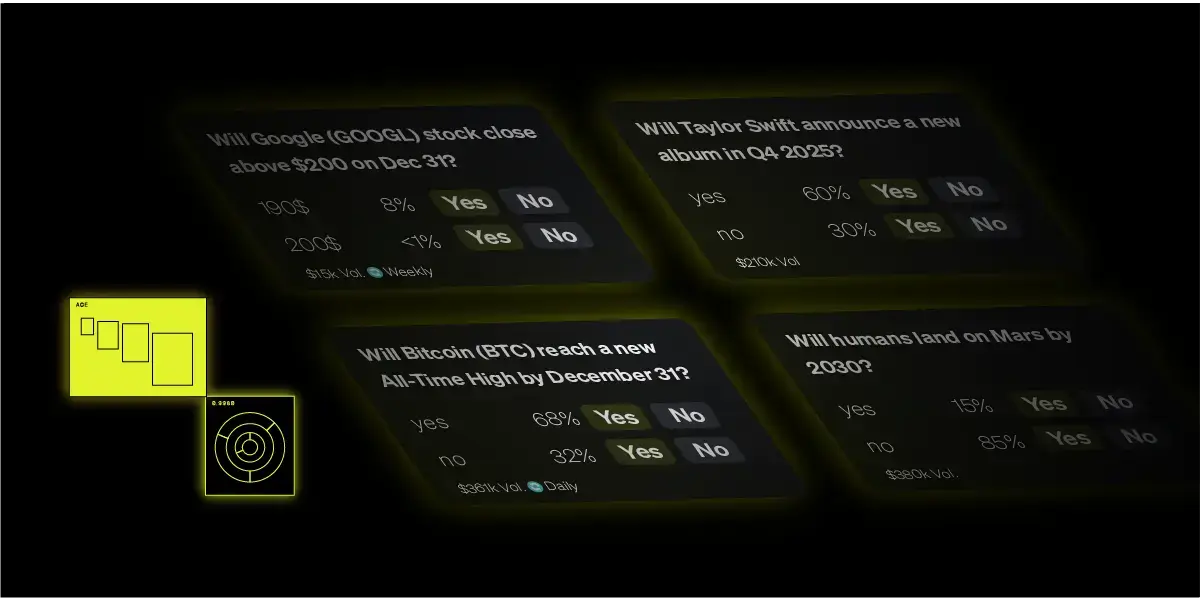
Os mercados de previsão estão surgindo rapidamente como uma nova vertente no cenário das apostas, chamando a atenção de operadores, traders e analistas. O setor está começando a se adaptar, explorando como esses mercados, que se atualizam continuamente e são orientados por dados, podem complementar as casas de apostas tradicionais e as bolsas de apostas, oferecendo novas perspectivas sobre preços, sentimento e engajamento. Para atender a essa demanda crescente, a LSports lançou o primeiro feed premium de mercados de previsão do setor, reunindo dados em tempo real das principais bolsas. O feed oferece um formato unificado e padronizado que abrange odds, contratos futuros, regras dos contratos e liquidações. Ao consolidar informações de mercado fragmentadas, as operadoras podem ativar mercados de previsão com o mínimo de sobrecarga operacional, sem precisar gerenciar múltiplas fontes ou lidar com lógicas de liquidação inconsistentes.
27 de janeiro de 2026
Nesse setor, todo mundo fala sobre “engajamento” e “experiência do usuário”. Criamos aplicativos chamativos, integramos feeds de redes sociais e tentamos transformar uma aposta transacional em um ecossistema de entretenimento. Mas eis a verdade sem censura: você pode ter a plataforma de apostas sociais mais bonita do mundo, mas se sua lógica de preços subjacente for estática, estará apenas decorando uma casa com uma fundação que está desmoronando. Já vi isso acontecer repetidamente com grandes operadoras. Elas crescem a uma velocidade vertiginosa, priorizando a entrada no mercado e o lançamento de novos recursos em detrimento da eficiência de custos. Elas desenvolvem tecnologia própria para se manterem “inovadoras”, mas depois esbarram em uma parede. À medida que seu volume cresce 20 vezes ou 30 vezes, seus custos operacionais — e, especificamente, suas perdas de margem — começam a crescer mais rápido do que sua receita.

2 de abril de 2026
O provedor de dados que você escolher influenciará praticamente todas as etapas de suas operações, incluindo a precisão das cotações, a exposição ao risco e a retenção de usuários. Escolher o parceiro errado acarreta consequências graves: liquidações lentas corroem as margens, a cobertura limitada reduz seu mercado potencial e contratos rígidos impedem a expansão. Por outro lado, um provedor confiável oferece às casas de apostas a velocidade, a cobertura e a profundidade necessárias para se tornarem e permanecerem líderes de mercado. Para ajudá-lo a selecionar a melhor empresa nesse mercado concorrido, este artigo analisa oito dos principais provedores de dados para apostas esportivas em 2026.

2 de abril de 2026
O fluxo de dados precisos, provenientes de eventos esportivos em tempo real, para a sua plataforma de apostas esportivas é o elemento mais crítico da sua pilha de tecnologia. Suas operações dependem da estabilidade do seu feed de dados mesmo sob pressão. Se esse feed apresentar falhas, as margens diminuem, os usuários abandonam o site e os concorrentes ganham terreno. É por isso que é essencial contar com APIs de apostas que forneçam cotações corretas e oportunas, sejam escaláveis de forma confiável e não aumentem os custos operacionais. Para ajudá-lo a escolher a melhor opção, reunimos 7 APIs de apostas esportivas que valem a pena experimentar em 2026.
23 de abril de 2026
Em 2025, o mercado global de análise de dados esportivos foi avaliado em US$ 5,7 bilhões, com projeções indicando que esse valor ultrapassará US$ 23 bilhões até 2033. A demanda por dados esportivos está crescendo rapidamente, e os preços acompanham essa tendência. Embora as casas de apostas dependam desses dados, encontrar uma resposta clara sobre quanto eles realmente custam continua sendo um dos desafios mais frustrantes do setor. Os preços raramente são divulgados, as estruturas contratuais variam enormemente e o custo total de propriedade vai muito além do preço de tabela. Este guia detalha as informações disponíveis sobre os custos dos dados esportivos em 2026, bem como as despesas ocultas sobre as quais os fornecedores raramente alertam.

29 de abril de 2026
Você está criando uma experiência de apostas esportivas que realmente mantém os usuários engajados ou uma que os frustra com atrasos, cotações imprecisas e atualizações demoradas? Com milhares de pontos de dados em tempo real gerados por partida, desde o rastreamento de jogadores até as variações de cotações em tempo real, a qualidade da sua API influencia diretamente as informações que você pode extrair. Como até mesmo pequenos atrasos ou lacunas nos dados podem rapidamente se transformar em oportunidades perdidas ou previsões imprecisas, é preciso escolher sua API com cuidado. Neste artigo, exploraremos as nove melhores APIs de dados esportivos para apostas e análises, para que você possa criar, com confiança, estratégias mais inteligentes e baseadas em dados.

11 de maio de 2026
Uma pesquisa da iGamingFuture revelou que apenas 4% dos jogadores permanecem fiéis a uma única plataforma de apostas esportivas por mais de um ano. Considerando o custo de aquisição de jogadores — que inclui mídia paga, comissões de afiliados e bônus de boas-vindas —, investir na retenção é uma decisão inteligente. Isso se torna ainda mais verdadeiro em 2026, enquanto aguardamos a Copa do Mundo da FIFA. Especialistas prevêem que este será um dos eventos mais assistidos da história. O potencial de captação de novos usuários é enorme. Ainda assim, o que importa é garantir que esses milhões de novas contas não fiquem inativas no momento em que o troféu for erguido. Este artigo aborda nove estratégias de retenção de usuários para sites de apostas, com o objetivo de reduzir a rotatividade e construir uma base de jogadores que realmente permaneça.

11 de maio de 2026
A maioria das casas de apostas investe pesadamente na aquisição de usuários, mas a aquisição por si só não determina a lucratividade. Uma base de usuários em crescimento significa pouco se esses usuários fizerem apenas uma aposta e ficarem inativos. O engajamento — especificamente a duração das sessões, o número de apostas por visita e o uso dos recursos — é o que ajuda as operadoras a recuperar os custos iniciais e gerar lucro. Este guia detalha 13 táticas que as principais plataformas de apostas utilizam para aumentar o engajamento dos usuários em 2026, desde uma infraestrutura confiável até recursos de gamificação.

11 de maio de 2026
O setor de apostas esportivas em 2026 enfrenta grandes desafios, incluindo atender às demandas de apostas em tempo real, manter um calendário de apostas 24 horas por dia, 7 dias por semana, engajar e reter apostadores, gerenciar fraudes e riscos e lidar com regulamentações mais rigorosas. O setor de apostas esportivas está crescendo a uma taxa anual de mais de 10–11%, com a expectativa de que o mercado global quase duplique, passando dos atuais cerca de US$ 100 bilhões para quase US$ 190 bilhões até 2030. Embora o mercado esteja crescendo de forma constante, a falta de abordagem dessas questões pode levar à redução da lucratividade, ao aumento da rotatividade de apostadores e a sérios riscos de conformidade para as casas de apostas. Neste artigo, exploraremos os cinco maiores desafios do setor de apostas esportivas e como você pode lidar com eles de forma mais eficaz.

11 de maio de 2026
Os fornecedores de software para casas de apostas são empresas que desenvolvem as plataformas tecnológicas utilizadas para administrar operações de apostas online, cuidando de tudo, desde o gerenciamento de cotações e o controle de riscos até a experiência do usuário e os pagamentos. Com tantos fornecedores disponíveis atualmente, escolher o fornecedor certo é fundamental para o seu sucesso a longo prazo. Neste artigo, vamos explorar os 10 melhores fornecedores de software para casas de apostas para que você possa, com confiança, selecionar uma solução que atenda às suas necessidades e apoie o seu crescimento.

15 de maio de 2026
Você está procurando uma API de dados esportivos confiável para fornecer resultados ao vivo, estatísticas e análises de apostas para sua plataforma? A Sportradar e a SportsDataIO são dois provedores amplamente utilizados, cada um oferecendo pontos fortes distintos em cobertura esportiva, fornecimento de dados em tempo real e experiência do desenvolvedor. Neste artigo, vamos analisar a comparação entre a Sportradar e a SportsDataIO, comparando seus recursos, funcionalidades e casos de uso típicos para ajudá-lo a determinar qual solução melhor atende às suas necessidades. Caso nenhum dos dois provedores atenda plenamente aos seus requisitos, também apresentaremos a LSports como uma alternativa projetada especificamente para dados e operações voltadas para apostas esportivas.

15 de maio de 2026
As ferramentas de análise de dados esportivos são plataformas de software que coletam, processam e interpretam grandes volumes de dados relacionados ao esporte para identificar padrões e tendências significativas para plataformas de apostas. Essas ferramentas reúnem dados como estatísticas de desempenho dos jogadores, histórico das equipes, resultados das partidas, variações nas cotações, comportamento dos usuários e métricas em tempo real durante as partidas. Embora possam transformar completamente a forma como as plataformas de apostas definem cotações, gerenciam riscos e otimizam operações, é preciso ter cuidado ao escolher sua ferramenta, pois isso afeta diretamente o desempenho e a precisão. Neste artigo, exploraremos nove das melhores ferramentas de análise de dados esportivos para plataformas de apostas e o que faz com que cada uma delas se destaque.

15 de maio de 2026
A Sportradar é uma das principais fornecedoras globais de APIs de dados esportivos, oferecendo estatísticas, cotações e análises em tempo real para uma ampla variedade de esportes e ligas. No entanto, devido às suas parcerias oficiais, à estrutura de cobertura e à complexidade da plataforma, ela pode não ser a opção ideal para todos os desenvolvedores ou empresas. Neste artigo, exploraremos 10 das melhores alternativas à Sportradar para ajudá-lo a encontrar uma solução que melhor atenda às suas necessidades específicas, ao seu orçamento e aos seus requisitos técnicos.

15 de maio de 2026
Você está procurando um provedor de dados esportivos robusto para fornecer resultados ao vivo, análises e insights sobre apostas para sua plataforma? A Sportradar e a Genius Sports são duas soluções populares, cada uma oferecendo vantagens distintas em termos de cobertura de dados, tecnologia e parcerias. Neste artigo, compararemos a Sportradar com a Genius Sports, detalhando seus recursos, pontos fortes e casos de uso ideais para ajudá-lo a escolher a opção mais adequada para o seu negócio. E se nenhuma das opções atender plenamente às suas necessidades, também apresentaremos a LSports como uma alternativa flexível, econômica e focada em apostas para casas de apostas esportivas.

20 de maio de 2026
As plataformas de engajamento de torcedores para casas de apostas esportivas são ferramentas que ajudam os operadores a atrair, reter e engajar os usuários por meio de recursos como gamificação, ofertas personalizadas, programas de fidelidade e conteúdo em tempo real. Com 77% dos apostadores dispostos a trocar de plataforma em busca de uma experiência melhor, manter os usuários engajados tornou-se uma das prioridades mais importantes para todas as casas de apostas esportivas. Neste artigo, exploraremos as oito melhores plataformas de engajamento de fãs para casas de apostas, para que você possa escolher a solução certa para impulsionar a retenção e aumentar a atividade dos usuários.

20 de maio de 2026
Os mercados de previsão estão surgindo rapidamente como uma alternativa séria às apostas esportivas tradicionais, com mais de US$ 44 bilhões em volume de negociação registrados somente em 2025. Embora possam parecer semelhantes à primeira vista, a forma como funcionam nos bastidores — especialmente no que diz respeito à precificação, liquidez e interação com o usuário — é fundamentalmente diferente. Neste artigo, exploraremos os mercados de previsão em comparação com as apostas esportivas para ajudá-lo a compreender as principais diferenças e o que elas significam para o crescimento futuro.

20 de maio de 2026
As apostas esportivas não se resumem mais apenas a oferecer mercados e publicar cotações competitivas. Os torcedores de hoje esperam mais. Eles querem uma experiência que os mantenha envolvidos antes da partida, durante a ação e muito tempo depois do apito final. Se a sua casa de apostas não conseguir manter a atenção deles, outra empresa o fará. Quanto mais conectados os usuários se sentirem à sua plataforma, mais provável será que eles retornem, façam mais apostas e desenvolvam hábitos duradouros em torno da sua marca. Neste artigo, detalhamos as estratégias comprovadas de engajamento dos torcedores que ajudam as casas de apostas a se destacarem em um mercado saturado.
20 de maio de 2026
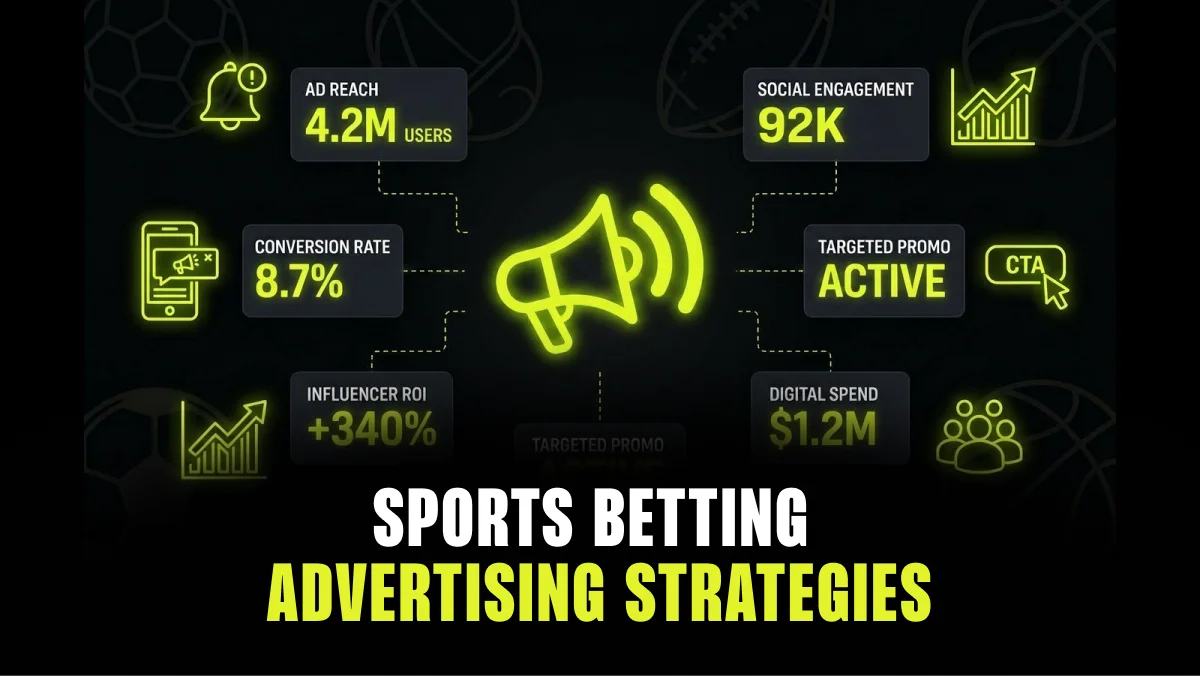
As estratégias de publicidade em apostas esportivas são os métodos e técnicas utilizados pelas empresas de apostas para atrair, engajar e reter clientes, abrangendo desde marketing digital e campanhas nas redes sociais até parcerias com influenciadores e promoções direcionadas. Com a previsão de que o mercado global de apostas esportivas alcance quase US$ 190 bilhões até 2030, a concorrência está se intensificando, tornando uma publicidade eficaz mais importante do que nunca. Neste artigo, exploraremos as seis melhores estratégias de publicidade em apostas esportivas para que você possa entender o que funciona e aplicá-las com sucesso.

15 de junho de 2026
A gestão de riscos nas apostas esportivas consiste em identificar, analisar e controlar perdas potenciais, para que os operadores possam manter a lucratividade e conduzir operações estáveis. Muitos operadores relatam que, somente a fraude, pode consumir de 10% a 20% de sua receita anual, tornando a gestão eficaz de riscos essencial para o sucesso a longo prazo. Neste artigo, exploraremos as melhores estratégias de gestão de riscos nas apostas esportivas para ajudá-lo a reduzir perdas, prevenir fraudes e fortalecer suas operações como um todo.

15 de junho de 2026
A gamificação nas apostas esportivas consiste no uso de elementos de jogos, como pontos e competições, para aprimorar a experiência do usuário em plataformas de apostas esportivas. Quando essas plataformas incorporam elementos semelhantes aos de jogos, os usuários as consideram mais empolgantes, permanecem engajados por mais tempo e têm maior probabilidade de se tornarem usuários assíduos. Pesquisas mostram que plataformas gamificadas alcançam taxas de retenção mensais de 30% a 40%, em comparação com a média do setor, que é de 15% a 25%. Este artigo explora como funciona a gamificação nas apostas esportivas, quais mecanismos geram resultados e o que você precisa saber antes de implementá-la.

15 de junho de 2026
A gamificação no esporte é a prática de incorporar competição, recompensas e mecânicas interativas a aplicativos relacionados ao esporte. A ideia é transformar espectadores passivos em participantes ativos e, assim, aumentar o engajamento e a retenção. Nas apostas esportivas, por exemplo, a TGM Research constatou que 30% dos apostadores apostam por causa da competição, enquanto 37% o fazem pela emoção e pela experiência. O ganho financeiro é importante, mas grande parte do público é motivada pela emoção e por um envolvimento mais profundo com o próprio esporte. Este artigo explica os fundamentos da gamificação no esporte, tais como: seus benefícios para jogadores e empresas; o mecanismo por trás de sua eficácia; e exemplos de gamificação em setores relacionados ao esporte.

14 de julho de 2026
Quando se atua no ramo das apostas esportivas, ter as ferramentas certas à sua disposição pode fazer toda a diferença. Seja você proprietário de uma casa de apostas já consolidada ou alguém que está apenas começando, escolher o provedor de dados certo e entender as ferramentas que ele oferece é fundamental. Na LSports, oferecemos uma variedade de produtos projetados para elevar o seu […]

23 de julho de 2026
A gamificação em aplicativos esportivos utiliza elementos próprios de jogos, como desafios, recompensas, tabelas de classificação e sistemas de conquistas, para tornar os aplicativos de apostas mais interativos, envolventes e motivadores para os usuários. A Smartico relata que as operadoras que utilizam a gamificação podem atingir taxas de retenção de cerca de 75%, em comparação com aproximadamente 50% para plataformas sem gamificação, além de um aumento médio de 30% na receita. Neste artigo, exploraremos a gamificação em aplicativos esportivos e como ela aumenta o engajamento, a motivação e a fidelidade de longo prazo dos usuários em casas de apostas e plataformas de apostas.

24 de julho de 2026
A Genius Sports é uma provedora de dados esportivos em tempo real, tecnologia de apostas e parcerias oficiais com ligas, utilizada por casas de apostas, empresas de mídia e plataformas esportivas em todo o mundo. No entanto, sua infraestrutura voltada para grandes empresas e sua dependência de parcerias oficiais de dados podem não ser a melhor opção para todas as empresas, especialmente para startups, operadoras menores ou desenvolvedores que buscam opções de integração mais flexíveis e maior personalização. Neste artigo, exploraremos as nove melhores alternativas à Genius Sports para ajudá-lo a encontrar uma solução que se alinhe melhor às suas necessidades de cobertura, requisitos de latência e objetivos técnicos.
24 de julho de 2026
As ferramentas de retenção de jogadores em casas de apostas são plataformas projetadas para ajudar os operadores a manter os jogadores engajados por meio de ofertas personalizadas, programas de fidelidade, gamificação, automação de CRM e análises em tempo real. Se você está atraindo novos apostadores para sua casa de apostas, mas ainda assim os vê indo embora após pouco tempo, talvez seja hora de explorar soluções de retenção mais inteligentes que mantenham os usuários engajados, fidelizem-nos e reduzam a rotatividade. Neste artigo, exploraremos as oito melhores ferramentas para retenção de apostadores e como elas podem ajudá-lo a construir relacionamentos de longo prazo com os apostadores e maximizar o valor ao longo da vida do cliente.

24 de julho de 2026
As apostas esportivas se tornaram um poderoso impulsionador do engajamento dos torcedores, transformando espectadores passivos em participantes ativos, mais envolvidos emocionalmente e financeiramente nos resultados das partidas. Os apostadores esportivos são significativamente mais propensos a assistir a jogos inteiros, acompanhar várias partidas e interagir com conteúdo esportivo em diversas plataformas do que aqueles que não apostam. Para as casas de apostas, isso se traduz em mais oportunidades de apostas ao vivo, maior volume de apostas, maior retenção de clientes e aumento do valor ao longo da vida do cliente. Neste artigo, exploraremos como as apostas esportivas aumentam o engajamento dos fãs, por que elas mudam o comportamento dos espectadores e o que isso significa para o futuro do entretenimento esportivo.

24 de julho de 2026
A retenção de jogadores é a capacidade de uma casa de apostas de manter os usuários engajados, satisfeitos e sempre voltando à plataforma ao longo do tempo, em vez de abandonarem a plataforma após suas primeiras interações. As operadoras contam com dados em tempo real para melhorar a retenção no setor de jogos de azar online, além da personalização, experiências de usuário fluidas e recursos envolventes que se alinham ao comportamento e às preferências dos jogadores. Neste artigo, exploraremos as 10 melhores estratégias de retenção de jogadores que podem ajudá-lo a aumentar a fidelidade e o valor a longo prazo.

28 de julho de 2026
A localização de plataformas de apostas esportivas significa adaptar seu software, conteúdo e experiência do usuário para atender aos requisitos linguísticos, culturais, legais e técnicos de diferentes mercados. Se você está pensando em expandir para novas regiões, há vários fatores importantes a serem considerados, desde a conformidade regulatória e as preferências de pagamento até as nuances linguísticas e o comportamento do usuário. Cada mercado apresenta suas próprias exigências específicas, tornando a localização uma etapa complexa, mas essencial para o sucesso. Neste artigo, você aprenderá quais são os seis desafios da localização de softwares de apostas esportivas e como superá-los.

29 de julho de 2026
Um site de apostas é uma plataforma online onde os usuários podem fazer apostas em eventos esportivos, jogos de cassino ou outros resultados, com dinheiro real ou prêmios. Se você está pensando em criar um site de apostas, há muitos aspectos que precisa levar em consideração. Desde regulamentações legais e licenciamento até o desenvolvimento da plataforma, sistemas de pagamento e segurança do usuário, é preciso planejar cada detalhe cuidadosamente para garantir uma experiência segura e confiável. Neste artigo, você aprenderá como criar um site de apostas em seis etapas para que possa lançar e expandir sua plataforma com confiança.

29 de julho de 2026
Melhorar a experiência do usuário em plataformas de apostas esportivas significa criar um ambiente rápido, intuitivo e envolvente, que ajude os usuários a fazerem apostas com facilidade e confiança. Se você está tentando aprimorar sua plataforma de apostas esportivas, talvez esteja enfrentando problemas como navegação complicada, desempenho lento, baixa retenção de usuários ou baixo engajamento dos apostadores. Neste artigo, você aprenderá como melhorar a experiência do usuário em plataformas de apostas esportivas online e descobrirá estratégias práticas para aumentar a usabilidade, a satisfação do cliente e a retenção a longo prazo.
29 de julho de 2026
O software de compilação de odds é uma plataforma que ajuda as casas de apostas a gerar, ajustar e gerenciar odds de apostas, combinando modelos estatísticos, regras de negociação, dados de mercado e ferramentas de gestão de risco em um único sistema. Se você pretende lançar ou expandir uma plataforma de apostas esportivas, escolher o compilador de odds certo é essencial para melhorar a eficiência das negociações, automatizar cálculos de margem e aprimorar a experiência geral de apostas. Neste artigo, exploraremos os oito melhores fornecedores de software de compilação de odds para que você possa escolher o melhor para sua plataforma de apostas esportivas.

29 de julho de 2026
Táticas de personalização em casas de apostas são estratégias que adaptam a experiência de aposta a cada jogador com base em suas preferências, comportamento e padrões de atividade. A pesquisa da LSports de 2024 revelou que 72% das casas de apostas consideram a personalização o fator mais importante para a retenção de jogadores. Portanto, se você deseja aumentar o engajamento dos jogadores, fortalecer a lealdade e se destacar em um mercado competitivo, é preciso adotar a abordagem certa de personalização. Neste artigo, exploraremos cinco táticas eficazes de personalização de casas de apostas esportivas que podem ajudá-lo a oferecer uma experiência mais envolvente e gratificante aos jogadores.

3 de agosto de 2026
As ideias para engajamento de fãs de esportes são estratégias criadas para manter os usuários conectados à sua plataforma por meio de experiências interativas e gratificantes que vão além das apostas tradicionais. Se você já atraiu usuários para a sua plataforma, o próximo passo é incentivá-los a voltar regularmente. Neste artigo, exploraremos cinco ideias para engajamento de fãs de esportes que podem ajudá-lo a melhorar a retenção, aumentar a atividade dos usuários e construir relacionamentos mais sólidos e duradouros com os clientes.

3 de agosto de 2026
Um mercado de previsões é uma plataforma na qual os usuários apostam nos resultados de eventos futuros, permitindo que o sentimento coletivo e os dados gerem previsões de probabilidade em tempo real. Para as casas de apostas esportivas, a integração da mecânica dos mercados de previsões pode gerar um engajamento mais profundo dos usuários, aumentar a retenção e abrir novas oportunidades para experiências interativas de apostas, indo além das cotações tradicionais. Neste artigo, exploraremos as sete melhores plataformas de mercado de previsões para aprender com elas e destacaremos os recursos, a mecânica e as experiências do usuário que as fazem se destacar.

3 de agosto de 2026
A gestão de riscos nas apostas esportivas envolve monitorar e controlar as atividades de apostas para limitar possíveis perdas, ao mesmo tempo em que se garante uma lucratividade consistente para a casa de apostas. Um dos principais fatores que diferencia as casas de apostas bem-sucedidas daquelas que enfrentam dificuldades é a eficácia com que gerenciam os riscos. Neste artigo, você aprenderá tudo o que precisa saber sobre gestão de riscos nas apostas esportivas para que possa otimizar sua estratégia, reduzir a exposição a riscos e expandir seus negócios com confiança.