Exchanges as the Foundation
Exchange betting laid the groundwork for prediction markets. It introduced transparent pricing, peer-driven liquidity, and a trading mindset that appeals to sharp players and price-sensitive users. While it never challenged the mass-market dominance of traditional sportsbooks, it fundamentally reshaped how the industry evaluates risk, spread efficiency, and market-derived signals.
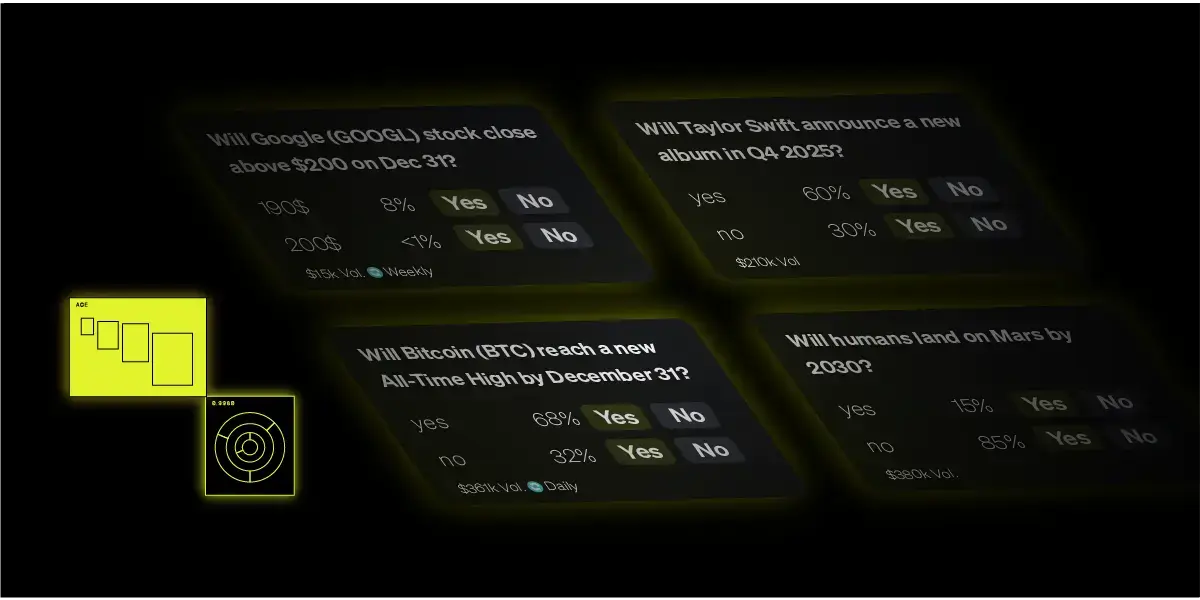
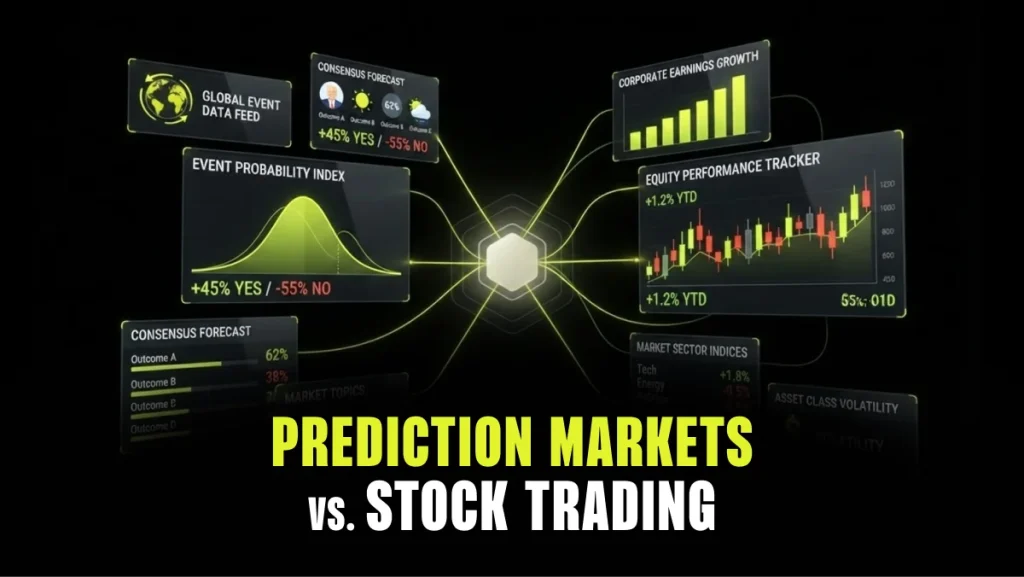
Prediction markets are built on the same framework as exchange betting, but extend their relevance across multiple verticals. By using market-implied probabilities and participant-driven pricing, they transform real-time information flow into tradable signals. The value lies not only in broader coverage but in continuous price discovery — markets that adjust instantly to news, sentiment, and global events. For operators, this introduces a new layer of intelligence and opens new opportunities beyond the limits of traditional sports calendars.
Why Prediction Markets Can’t Be Ignored Anymore
Several forces are driving the rapid growth of prediction markets:
- Regulatory openness in the US and Europe supports alternative market structures.
- Always-on markets appeal to users who want instant updates on global news and events.
- Sharp, data-driven bettors are seeking markets with transparent probability signals.
- Operators are leveraging prediction markets to create engagement opportunities that complement existing sportsbook offerings while reducing risk and reliance on bonuses.
Unlike traditional sportsbooks, prediction markets monetize volatility, information flow, and continuous market signals, offering a 24/7 engagement layer that traditional sports calendars cannot provide.
What This Means for Sportsbooks
Prediction markets are not a replacement for traditional sportsbooks. Casual bettors still prefer fixed odds, simple UX, and promotional offers. However, prediction markets are reshaping how operators manage pricing, liquidity, and risk:
- Trading integration: Probabilities from prediction markets can inform sportsbook odds, allowing operators to adjust lines more dynamically and respond to shifts in market sentiment.
- Complementary liquidity: Exchange-style liquidity and prediction markets can coexist, offering sharper pricing for both sharp and retail players while distributing risk more efficiently.
- Non-sports engagement: Markets covering politics, finance, crypto, and culture provide continuous opportunities for user engagement, extending the platform beyond traditional sports schedules.
These markets enhance the existing sportsbook ecosystem by providing actionable data without replacing the core betting experience.
The Future of Betting Markets
The future of betting markets is layered. Traditional sportsbooks maintain the consumer-facing front end, exchanges continue serving sharp players, and prediction markets expand what can be traded while providing clear probability signals. Operators who interpret market signals fastest and integrate them intelligently will gain a competitive advantage. Prediction markets are no longer just a complementary vertical — they have become a new market layer.