2026년 7월 15일
실시간 스포츠 데이터 처리는 어떻게 이루어지나요? [알아보기]
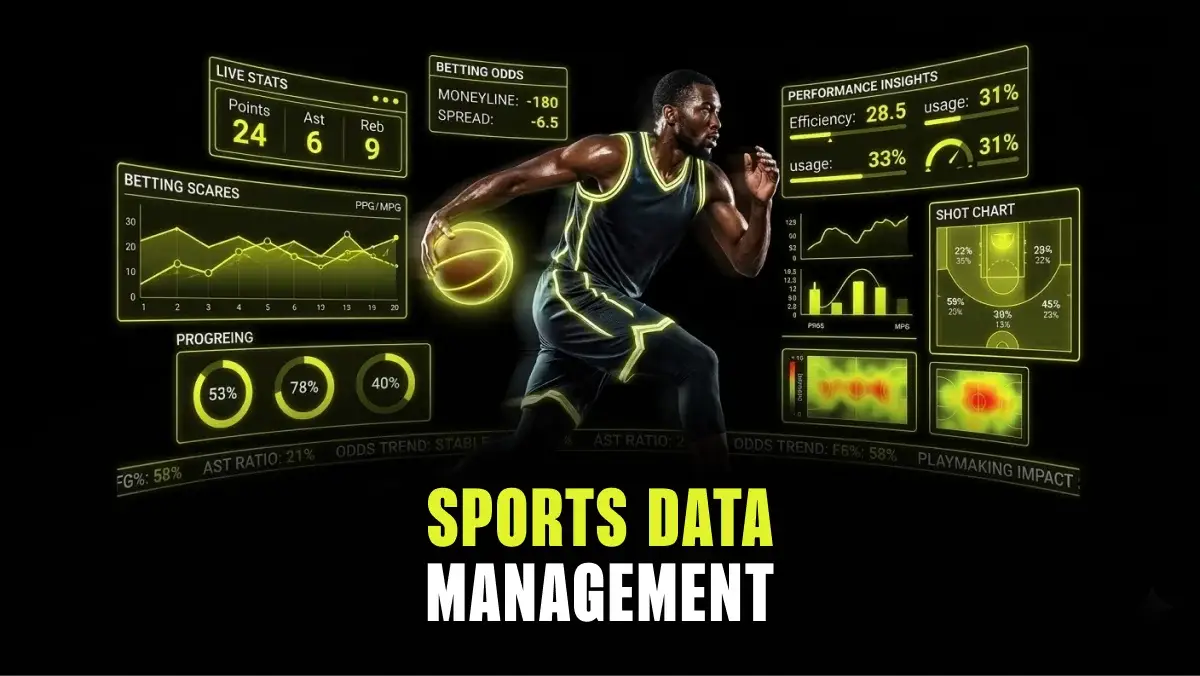
실시간 스포츠 데이터란 경기 중 발생하는 점수, 선수 기록부터 경기 중 발생하는 이벤트, 변동하는 배당률에 이르기까지, 해당 정보가 발생하는 즉시 전달되는 실시간 정보 스트림을 말합니다. 스포츠북 운영사에게 이 데이터는 정확한 배당률을 산출하고, 라이브 베팅을 지원하며, 베터들에게 더 빠르고 몰입도 높은 경험을 제공하는 데 필수적입니다. 하지만 이 모든 데이터는 어떻게 수집되고 처리되어, 즉시 활용할 수 있는 실시간 인사이트로 변환되는 것일까요? 이 글에서는 실시간 스포츠 데이터 처리 방식과 그 기반이 되는 기술, 그리고 이것이 현대 스포츠북에 왜 중요한지에 대해 설명하겠습니다.

이 기사에서
구독하기
항상 한 발 앞서 나가세요
스포츠 데이터, 베팅 동향, 업계 뉴스에 대한 최신 정보를 이메일로 바로 받아보세요.
이것은 제목입니다
주요 내용
- Real-time sports data is the engine behind live betting
It powers everything from instant odds changes and micro-betting markets to auto-cashout and live player props. The core value comes down to speed, scale, accuracy, and trusted data sources working together with minimal latency.
- The process is much more than collecting live stats
Real-time sports data moves through a full pipeline: collection, streaming, analytics, pricing, risk controls, and front-end distribution. What looks like a simple odds update is actually a complex system designed to react to live events in seconds.
- Accuracy and risk management matter just as much as speed
Fast data alone is not enough. Sportsbooks need validation, automated trading logic, integrity monitoring, and exposure controls to avoid stale odds, pricing mistakes, and fraud risks, especially during high-volume live events.
- Scalable infrastructure is what separates leaders from laggards
The biggest challenges in real-time processing are latency, data quality, scalability, and integrating multiple feeds. Operators that solve these well can improve user retention, unlock more betting opportunities, and drive stronger revenue.
- The right data and trading partner can be a major competitive edge
Solutions like LSports help sportsbooks strengthen live trading through low-latency feeds, broad event coverage, reliable data, risk tools, and integrated products like ARENA360, giving operators a faster path to better odds management, smarter operations, and more engaging live betting experiences.
What is real-time sports data processing?
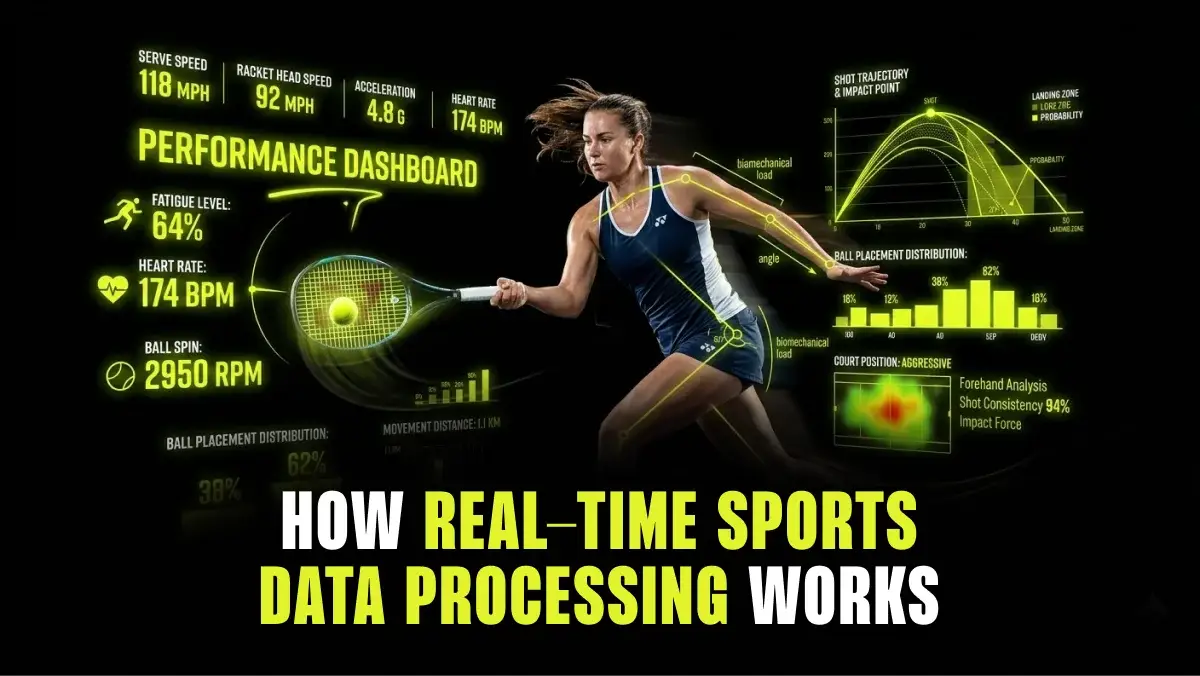
Real-time sports data processing is the collection, analysis, and delivery of live data from sporting events as they happen with minimal latency. Unlike historical or post‑match statistics, real‑time data is captured and delivered almost instantly. Examples include:
- Live scores
- Player performance updates
- Game states
- Game clock status
- Dynamically changing odds
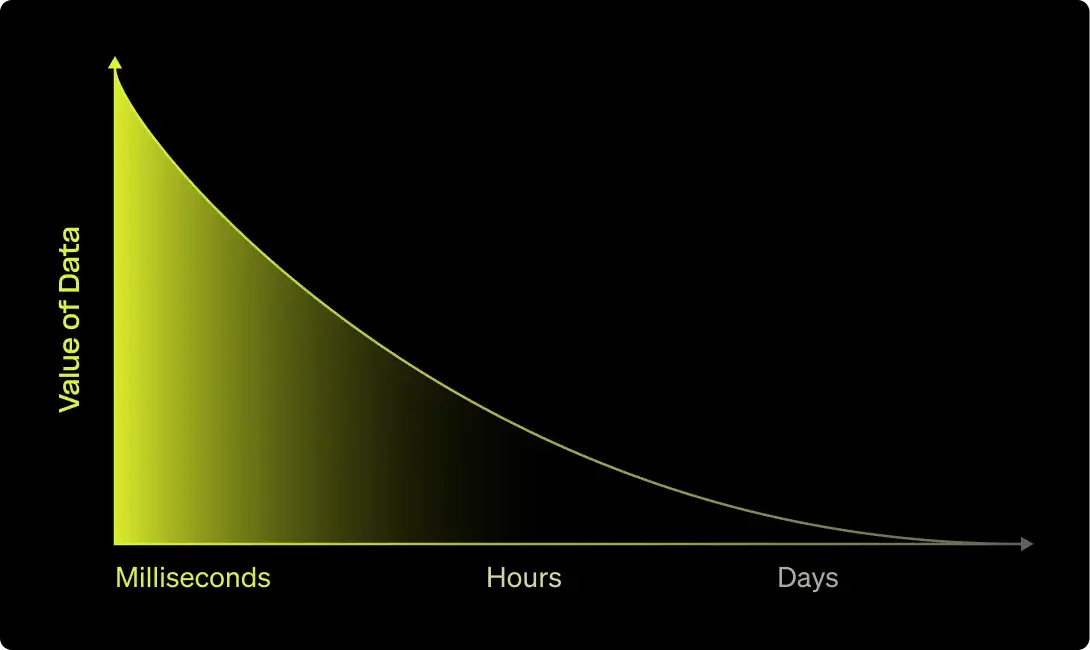
Real-time sports data used by sportsbooks stands out from other forms of sports analytics because of four key characteristics:
- 1. Velocity: Data is generated and processed at extremely high speed, allowing sportsbooks to update odds and markets in near real time as events unfold. Even small in-game changes can trigger immediate pricing adjustments.
- Variety: The data comes from many sources, including live game feeds, player and ball tracking systems, wearable technology, official league data, betting activity, and live commentary.
- Volume: The amount of data is massive and constantly growing. Every match can generate huge streams of event and tracking data, especially when combined with betting transactions and market movements across thousands of events.
- Veracity: Accuracy is essential. Because odds and betting decisions depend on reliable information, real-time data is continuously validated through automated systems and human oversight to reduce errors and maintain trust.
How does real-time sports data processing work?
Real-time sports data processing turns live game events into instant, usable insights through a continuous flow of data collection, transmission, transformation, and distribution. Each step works together to reduce latency, ensure accuracy, and deliver up-to-the-second information at scale. Here is how the process works:
1. Data collection
Real-time sports data processing begins with collecting and integrating low-latency data streams from multiple sources to power live odds, event detection, and in-play trading.
- Official league data feeds and scouting networks: Sportsbooks rely heavily on official data providers such as LSports or Sportradar, which combine direct league partnerships, automated feeds, and human scouting networks to deliver real-time event data. Providers like LSports use large scout networks and low-latency broadcast feeds to capture and distribute key incidents as they happen.
- Optical tracking and computer vision: High-speed cameras, computer vision, and tracking systems capture player movement, ball location, speed, and game events in real time. This data supports live odds adjustments, player props, and micro-betting markets.
- Smart equipment and sensor data: In some sports, embedded ball and equipment sensors provide additional event-level data, improving speed and precision for pricing certain markets.
- Betting platform and user event data: Internal data, such as wagers placed, cash-out behavior, market exposure, and customer activity, feeds real-time risk models and helps traders manage liability as markets move.
2. Ingestion and streaming
Once collected, real-time sports data must be ingested, normalized, and distributed through low-latency pipelines that support live odds updates, event processing, and in-play trading.
- Feed ingestion and normalization: Sportsbooks ingest data from official league feeds, data providers, tracking systems, and internal betting platforms, standardizing formats and validating events before they enter pricing and trading systems.
- API and WebSocket feed distribution: Sportsbooks consume official data through APIs and persistent WebSocket connections, enabling continuous event updates that drive live pricing, micro-betting markets, and automated trading decisions.
- Real-time odds and market distribution: Once processed, event streams are pushed across trading engines, risk systems, and front-end sportsbooks so odds, suspensions, and market changes can be updated instantly for bettors.
3. Real‑time processing and analytics
After ingestion, sportsbooks process and analyze live data streams in real time to power odds generation, market updates, risk controls, and integrity monitoring.
- Event processing and market triggering: Stream processing systems analyze live game events, such as goals, fouls, substitutions, and possession changes, to trigger odds recalculations, suspend markets when needed, and support in‑play and micro‑betting markets.
- Data cleansing and enrichment: Incoming data from multiple sources is validated, synchronized, deduplicated, and enriched (e.g., with player context, team‑side, venue, and match‑state metadata) to ensure pricing models and trading systems operate on accurate, consistent information.
- Feature extraction and pricing signals: Real‑time metrics such as pace, possession, expected goals, shot quality, and player‑performance indicators are derived from raw data and used as inputs for pricing and trading models.
- Predictive analytics and AI models: Machine learning and AI models combine live and historical data to estimate probabilities, simulate outcomes, and dynamically adjust odds as game conditions evolve.
4. Pricing and market logic
After analytics generate probabilities and trading signals, a pricing layer converts model outputs into tradable betting markets. This layer applies margins, limits, liquidity thresholds, and suspension logic to determine how odds are priced, when markets remain open, and when they should be paused or reopened.
5. Risk management and integrity monitoring
Real-time analytics feed risk and integrity systems that continuously monitor exposure, limit structures, and betting patterns. Risk engines adjust limits, reprice markets, or suspend trading when thresholds are breached, while integrity-monitoring platforms flag unusual activity that may indicate manipulation or match-fixing.
6. Odds and user-experience distribution
Once pricing and risk decisions are finalized, updated odds and market states are distributed through low-latency channels to front-end sportsbooks, mobile apps, and third-party platforms. This ensures bettors receive near-instant market updates and a consistent view of live odds, even under heavy load.
Example: Real-time sports data processing in action
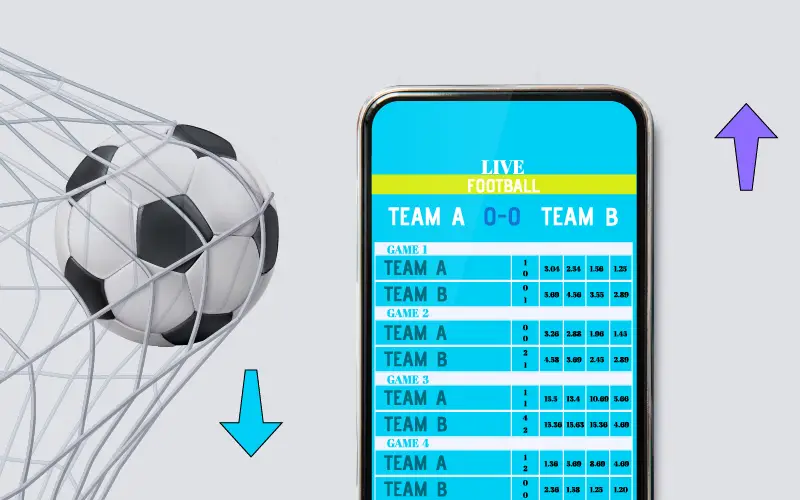
To see how the process works in practice, consider what happens when a goal is scored during a live soccer match. A single event like this can trigger a rapid sequence of data updates, pricing changes, and risk checks before markets reopen. A simplified workflow may look like this:
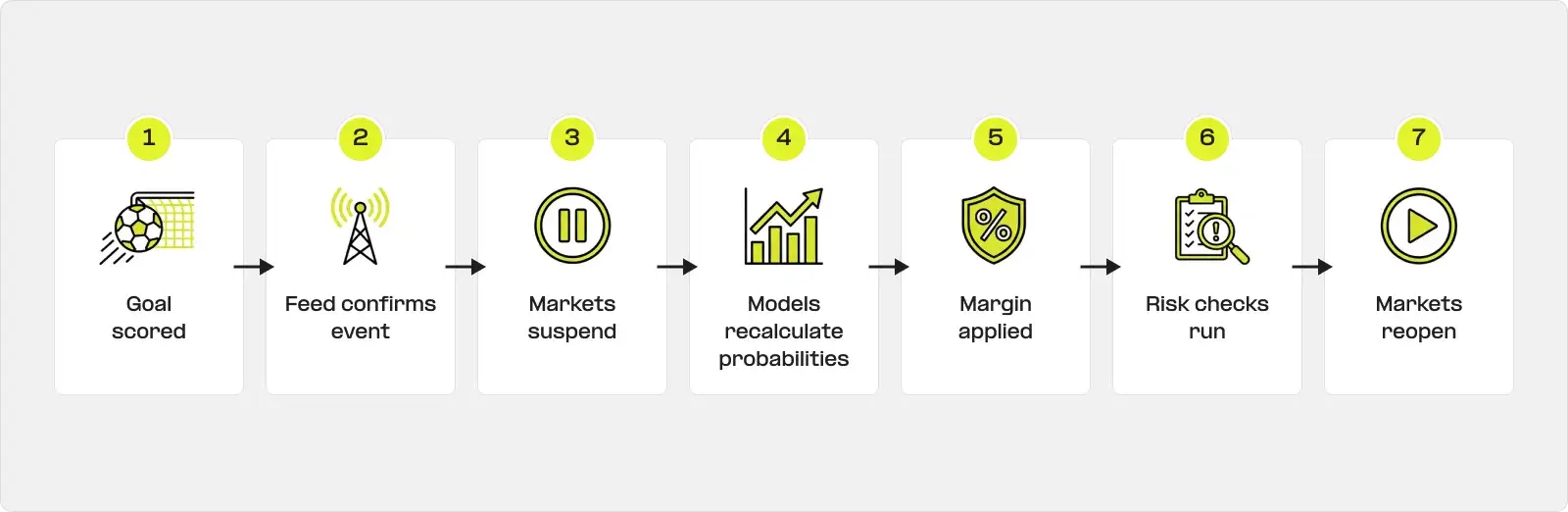
Here is what happens at each stage:
- Goal scored: A live game event occurs and is captured through official data feeds, scouting networks, or tracking systems.
- Feed confirms event: The event is validated and transmitted through low-latency data pipelines to trading and pricing engines.
- Markets suspend: Relevant markets may be briefly paused to prevent bets being placed against stale odds while prices adjust.
- Models recalculate probabilities: Live pricing models update win probabilities, totals, player props, and other impacted markets based on the new game state.
- Margin applied: Trading logic applies sportsbook margin, liquidity thresholds, and market rules to convert updated probabilities into tradable odds.
- Risk checks run: Exposure, liability, and integrity controls are evaluated before odds are republished.
- Markets reopen: Updated odds and market states are distributed to sportsbook front ends, often within seconds or less.
Why is real‑time sports data important for sportsbooks?
Real-time sports data underpins nearly every critical function in modern sportsbooks, from powering live betting experiences to improving risk management, customer retention, and revenue growth. Here are the key benefits of real-time sports data:
- Powering in-play and micro-betting growth: Real-time data powers fast-moving in-play markets like next-point and next-drive bets, helping sportsbooks capitalize on one of wagering’s fastest-growing segments. Micro-betting now accounts for 38% of all in-play wagers on major platforms, generated 214% year-over-year revenue growth in 2024, while live betting held 62.35% market share in 2025 and is projected to grow at a 13.62% CAGR through 2031.
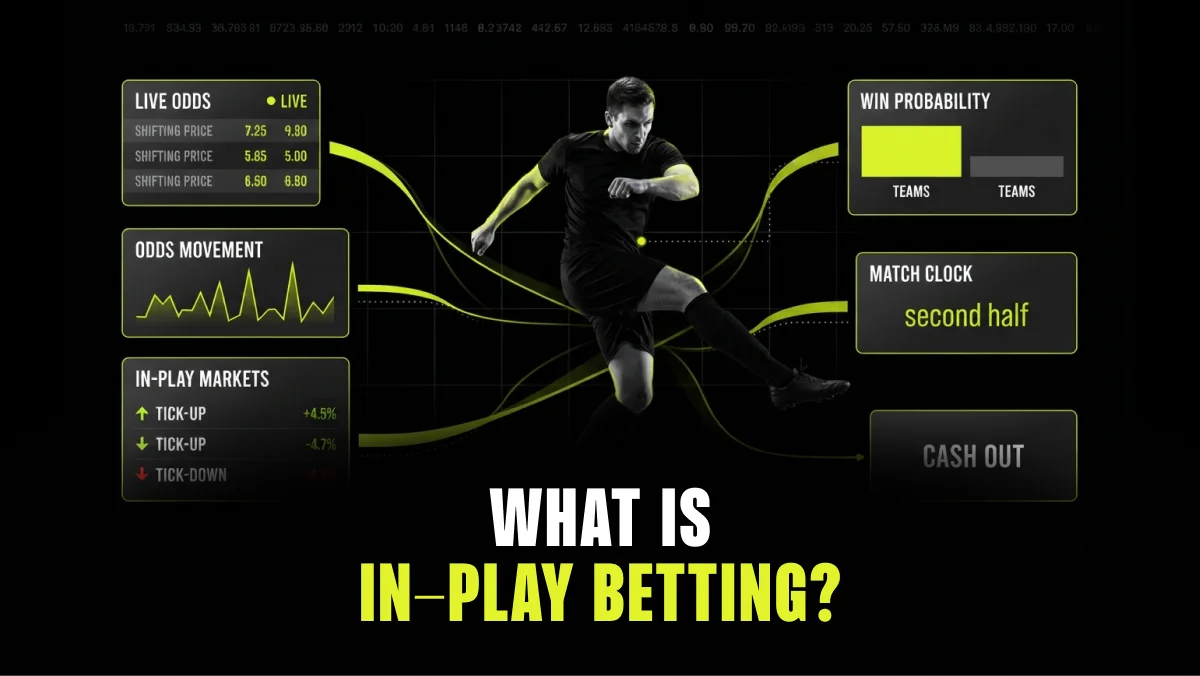
- Supporting dynamic odds and auto-cashout: Instant data feeds allow sportsbooks to adjust odds in real time as events unfold, reducing exposure from stale pricing while opening new live betting opportunities. The same real-time calculations power auto-cashout features, helping operators manage margins more effectively while increasing betting activity.
- Strengthening risk management and integrity: Live data helps sportsbooks monitor liabilities, detect suspicious betting patterns, and react quickly to anomalies such as unusual wagering spikes or integrity threats. Its importance is growing, with 44% of sportsbooks saying data providers need faster response times during critical moments to improve live trading and integrity monitoring.
- Enhancing user experience and retention: Real-time stats, visualizations, and personalized offers create more engaging betting experiences, improving loyalty and retention. With average sportsbook retention rates sitting at just 37–40%, and 72% of operators citing personalized player experiences as the biggest driver of retention, real-time data has become central to keeping users engaged.
- Driving higher revenue opportunities: Real-time data increases the number of betting opportunities throughout a match, encouraging higher wager frequency and higher turnover than traditional pre-match markets. Features like micro-betting and cashout also support profitability by boosting bet volume while helping operators manage liabilities more efficiently.
Challenges of real‑time sports data processing for sportsbooks
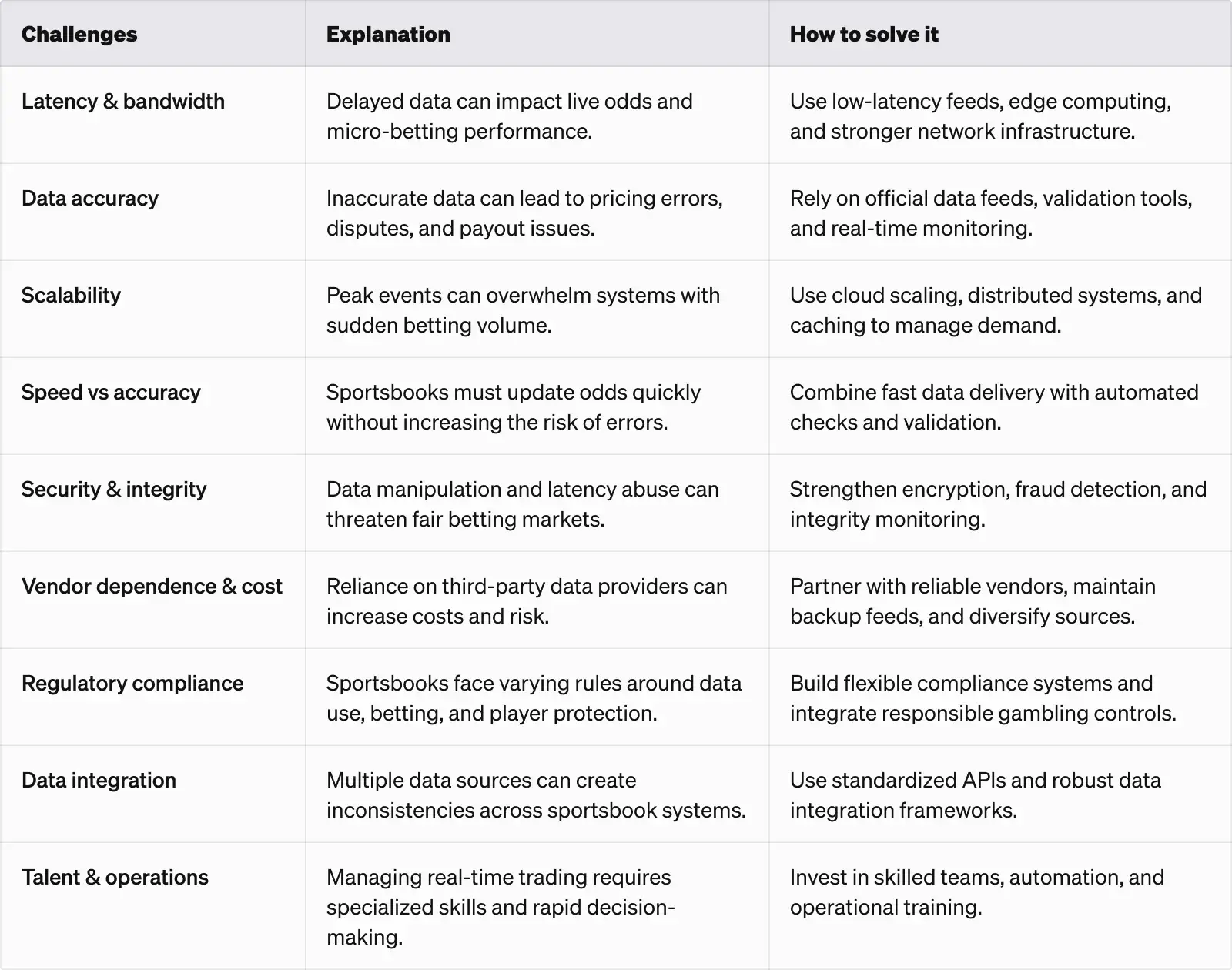
Real-time sports data creates major opportunities for sportsbooks, but it also introduces operational and technical challenges that can impact performance and profitability. In the table below are some of the most common challenges sportsbooks face when processing real-time data, along with practical solutions to address them:
Get fast, accurate, real-time sports data with LSports
Real-time sports data processing depends on speed, accuracy, and scalable infrastructure, which makes the choice of data provider critical for sportsbooks. Providers need to support low-latency data delivery, reliable event coverage, and the tools required to power live trading, pricing, and risk management. This is where LSports can help you!

LSports helps support these demands through real-time sports data feeds and trading infrastructure built for sportsbooks. Its Sports API delivers continuously updated, verified data across 30+ sports and up to 40,000 monthly events, while its broader coverage spans:
- 100개 이상의 스포츠
- 15,000 리그 이상
- 2,500개 시장
With low-latency venue and TV feeds, a global scouting network, and advanced technology including AI and computer vision to collect data from public sources, LSports helps sportsbooks access fast, accurate data without relying solely on expensive proprietary feeds.
Beyond data delivery, LSports extends these capabilities through ARENA360, an integrated sportsbook ecosystem that combines key trading and operational functions into a single platform. Rather than relying on disconnected tools, ARENA360 includes:
- TRADE – A comprehensive trading solution that combines live scores, pre-match and in-play odds, statistics, and accurate settlements in one platform.
- DEFEND – A real-time risk management solution that helps sportsbooks monitor exposure, track betting activity, and manage high-risk behavior.
- BOOST – A performance analytics tool that provides real-time insights into margins, market uptime, and overall trading efficiency.
- ENGAGE – An AI-powered engagement solution that transforms sports data into interactive, personalized experiences for bettors.
Start your free trial with LSports today and discover how our real-time data and ARENA360 solutions can power faster odds, stronger risk management, and more engaging live betting.
자주 묻는 질문
1. How is real-time sports data different from traditional sports data feeds?
Real-time sports data is delivered with minimal latency as events happen, enabling sportsbooks to update odds, markets, and risk models almost instantly. Traditional sports data feeds are often delayed or batch-based, making them better suited for historical analysis than live trading.
2. What sports generate the most real-time data?
Data-rich sports like soccer, basketball, tennis, and American football generate massive volumes of real-time data due to their constant events, player tracking, and rapidly changing game states. Sports with frequent micro-events and tracking data also create more opportunities for live betting and in-play market updates.
3. How do sportsbooks reduce latency in real-time sports data processing?
Sportsbooks reduce latency through low-latency data feeds, edge computing, optimized streaming infrastructure, and redundant data pipelines. They also use co-located systems, automated event processing, and fast market suspension logic to minimize delays during live betting.