2023년 7월 18일
베팅 업체의 역할: 스포츠 베팅 배당률이 어떻게 결정되는가
스포츠 베팅은 전 세계 수백만 명이 즐기는 활동입니다. 금전적 이익을 얻을 수 있는 기회 외에도, 베팅 참가자들에게는 짜릿한 스릴과 즉각적인 만족감을 선사합니다. 베팅 배당률은 이러한 경험의 토대가 되지만, 과연 그 배당률이 어떻게 결정되는지 궁금해 본 적이 있으신가요? 이 기사에서는 그 이면을 파헤쳐, 북메이커들의 매혹적인 세계와 우리 모두를 설레게 하는 그 숫자들이 어떻게 산출되는지 알아보겠습니다.

이 기사에서
구독하기
항상 한 발 앞서 나가세요
스포츠 데이터, 베팅 동향, 업계 뉴스에 대한 최신 정보를 이메일로 바로 받아보세요.
이것은 제목입니다
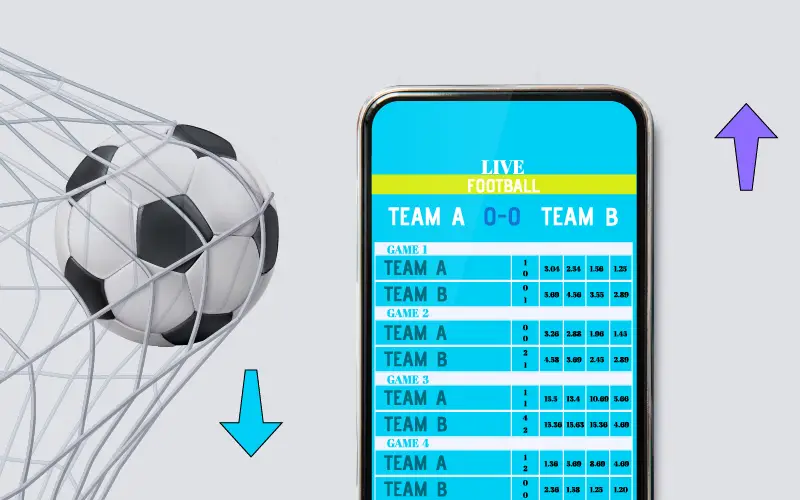
So, what are betting odds? In a nutshell, sports betting odds are numerical representations of the probability of specific outcomes in a sporting event. Presented in various formats (such as decimal, fractional, or American odds), they indicate the potential payout a bettor can receive based on their stake. Higher odds suggest a lower likelihood of the outcome occurring, offering a higher potential payout, while lower odds reflect a higher probability with a lower potential return.
Bookmakers (bookies) are the masterminds behind odds setting in sports betting. By having access to comprehensive and accurate databases provided in real-time, in the shape of betting odds feeds, odds services, and sports odds APIs, they collect and process an abundance of information before deciding how to set the odds for various sporting events.
But there is more on bookmakers’ plate than just looking at raw data. Acting as sports detectives trying to determine the likelihood of different outcomes, bookies effectively put together a puzzle with all the information they can find.
Here are some factors they consider before setting the odds:
1) Team/player Performance: Bookies closely analyze the performance of teams and players involved in a particular event. They assess recent form, past results, and overall skill levels. Stronger teams or players are likely to have lower odds, reflecting their higher chances of winning.
2) Injuries or suspensions: Bookies consider any factors that could impact the performance of teams or players, including the absence of key players or participants They consider the significance of the absence and adjust the odds accordingly. If, for instance, Giannis Antetokounmpo is out with an injury, Milwaukee Bucks would most likely get higher odds of winning the game.
3) Historical data and head-to-head matchups: Historical data and direct matchups between teams or players are also a factor. This information helps bookies analyze participants’ performance patterns and tendencies, enabling more accurate odds setting.
4) Home-court advantage and environmental factors: Bookies consider the influence of home-crowd advantage and weather conditions (especially in outdoor sports). These factors can impact the performance and outcome of a game, leading to adjustments in the odds.
5) Public Sentiment and Betting Trends: Bookies give weight to the opinions and sentiments of sports fans. They try to read the fans and media’s views and forecasts ahead of sporting events, also taking into consideration the popularity of teams or players. If a popular choice attracts many bets, bookies may adjust the odds to encourage more bets on the opposing side.
6) Market fluctuations: Bookies closely monitor the market for any significant changes in odds. They watch other bookmakers and betting exchanges to ensure their odds are competitive and aligned with the overall market.
7) Risk management: Bookies want to make sure they don’t lose their shirts. This is why they aim to balance the book by attracting similar bets on all possible outcomes, reducing the risk of significant losses for the bookmaker regardless of the outcome.