2025年2月3日
我的权利怎么办?第一部分:体育数据垄断问题的内幕
在这篇共四部分的博客系列中,我们将揭示体育数据垄断带来的挑战。我们将探讨各大联赛如何通过向单一供应商出售独家权利来控制信息流,从而推高成本并扼杀创新。从这些垄断的根源到其深远的影响,我们将阐明为何亟需建立一个更公平的体系——并提出一种既能惠及联赛、企业,又能造福球迷的新模式。 让我们来看看,这种对体育数据的集中控制是如何导致双头垄断的——以及为何这给所有相关方都带来了负担。


在本文中
订阅
保持领先地位
获取有关体育数据、博彩趋势和行业新闻的最新见解——直接发送到您的收件箱。
这是一个标题
In the modern sports industry, data is the lifeblood that fuels media coverage, betting platforms, and fan engagement. However, the current landscape is dominated by leagues that choose to grant exclusive data rights to a single provider. This practice has created a system that stifles competition, limits innovation, and places an unfair burden on businesses and fans alike.
These leagues have entered into exclusive agreements that prevent anyone else from collecting data directly from venues. For example, if a company like LSports wants to gather real-time data from a match, it is legally barred from doing so due to the league’s decision to grant exclusivity. This restriction allows the chosen providers to charge exorbitant fees, which increase dramatically each year, leaving customers with no alternative but to pay up. Smaller companies and startups are effectively shut out of the market, unable to compete with the high costs of accessing data.
The consequences of this monopoly extend beyond financial strain. The lack of competition means there is little incentive for the exclusive providers to improve the quality of their services. Error rates in data collection currently range from 1.8% to 3%, which, while seemingly low, can have significant repercussions in industries like sports betting and media, where accuracy is paramount. These errors could be reduced further with more competition and technological innovation, but the current system discourages such progress.
For the leagues themselves, the situation may seem lucrative in the short term but is ultimately problematic. By locking themselves into exclusive deals, they surrender control over their data, limiting their ability to explore alternative revenue streams or partnerships. This not only stifles their growth but also leaves them dependent on a single provider, which can dictate terms and prices.
Fans and consumers are also affected. The high cost of accessing data often translates to higher prices for live scores, statistics, and analytics. This diminishes the overall fan experience and limits the potential for deeper engagement with sports.
In short, the sports data industry is in dire need of reform. The monopolistic practices of the leagues—choosing to grant exclusive rights to single providers—are holding back competition, innovation, and fairness. But how did we get here? In the next part of this series, we’ll explore the origins of this monopolistic system and why it has become so entrenched.
Read Part 2: SPORTS DATA MONOPOLIES: UNCOVERING THEIR RISE AND HOW WE GOT HERE
相关文章




























2024年8月19日
在探讨了“创办自己的体育博彩业务”之后,我们希望更进一步,谈谈如何运营一家成功的体育博彩公司。体育博彩行业机遇无限。作为一家体育博彩公司,随着越来越多的人下注支持自己喜爱的球队,您显然拥有赚取丰厚利润的绝佳机会。然而,要在这个瞬息万变的领域取得成功,仅凭热情远远不够。您还需要具备合适的工具、专业知识和策略。 在您创办了自己的体育博彩公司,甚至已迈出建立线上业务的第一步之后,您需要了解如何运营一家成功的体育博彩企业。若想在行业中脱颖而出,您必须遵守法规、充分利用可靠数据,并设计出能让投注者更愿意回访平台的用户界面。本指南将深入探讨这些关键要素,助您不仅能在美国体育博彩市场中生存下来,更能脱颖而出。

2024年8月26日
体育博彩行业规模已达到历史最高水平,各大联赛、球队、运动员和媒体平台纷纷与体育博彩公司建立合作关系。2022年,体育博彩行业的估值约为2354.6亿美元,且这一数字仍在持续攀升。 数据显示,2023年,18-34岁人群中约有30%、35-49岁人群中约有25%、50-64岁人群中约有25%、65岁及以上人群中约有20%参与了体育博彩。随着该行业在主流领域的影响力日益增强,这些数字还将持续攀升。 世上本无完美的体育博彩平台,因此现在正是制定策略的绝佳时机——这些策略将助您在竞争中脱颖而出,并为投注者打造更具互动性与沉浸感的平台。







2024年11月7日
每一家成功的体育博彩平台背后,都有一套高度集成的体育数据API。API是体育博彩平台的“引擎室”,承担着两项关键任务:提供历史数据访问,并为实时赛事提供每秒更新的数据。体育数据API会追踪赛事比分、球队表现、球员数据及其他关键信息,并将其实时传输给合作体育博彩平台。体育博彩平台的算法利用这些洞察来调整赔率和市场策略,从而更好地服务客户。 如果您经营一家体育博彩平台,在竞争激烈、胜负仅在一线之隔的市场中,集成一款卓越的应用程序接口(API)可能会带来决定性的差异。但您该如何确定最适合集成到您体育博彩平台中的体育数据API提供商呢?本指南将解答这一问题,并重点介绍优秀API的关键特征。

2024年11月26日
体育博彩行业的竞争比以往任何时候都更加激烈,各运营商为了提升知名度正展开激烈角逐。关于这个行业,有一点非常明确:这是一场“赢家通吃”的游戏,只有制定了有效策略的体育博彩平台才能生存并蓬勃发展。 让您的博彩平台脱颖而出的最佳方式之一,就是实施出色的促销和营销策略来吸引客户。我们研究了多种促销策略,目前,社交媒体营销位居榜首。如今正值Z世代的时代,大多数高消费群体和寻求娱乐的人士至少会使用一个社交媒体平台。许多活跃的投注者和被动爱好者活跃在不同的社交媒体平台上,包括X、Instagram、Bluesky、Facebook、YouTube和TikTok。

2024年12月5日
在线体育博彩的一大亮点在于电子竞技博彩的普及。这种非传统的博彩选项发展迅猛,凭借其独特的赛事、投注市场和赔率,吸引了全球数百万粉丝。电子竞技虽直到2010年才被公认为一种博彩项目,但如今已成为博彩业的一股重要力量,为在线体育博彩平台带来了巨大的投注额。电子竞技赛事吸引了全球数百万观众,其中大多数是年轻的游戏玩家和博彩爱好者。 显然,将电子竞技纳入您的体育博彩平台已不再是可有可无的选择。这是势在必行的,而现在正是构建完善产品目录的最佳时机。值得庆幸的是,多家成熟的电子竞技API提供商能够帮助您在这个领域建立强大的影响力,即使您是初入行者也不例外。


2024年12月29日
不可否认,多年来在线体育博彩行业的竞争日益激烈。每天都有几家新平台获得合法运营许可,使得本已高度集中的市场愈发饱和。显然,您的体育博彩平台需要脱颖而出,才能吸引用户并建立忠实的用户群体。值得庆幸的是,通过有效的营销策略,您完全可以实现这一目标。业内所有成功的体育博彩运营商都依靠坚如磐石的营销策略来保持持续的领先地位。 是的,我们理解您的体育博彩平台拥有庞大的投注市场目录,以及可靠的体育API提供商,甚至还有高质量的赔率API服务。然而,这些优势仅是您在行业中脱颖而出所需条件的一部分。您仍需说服投注者,让他们相信选择您的服务能带来切实的益处。实现这一目标的可靠途径,就是利用有效的营销渠道。


















2025年11月16日
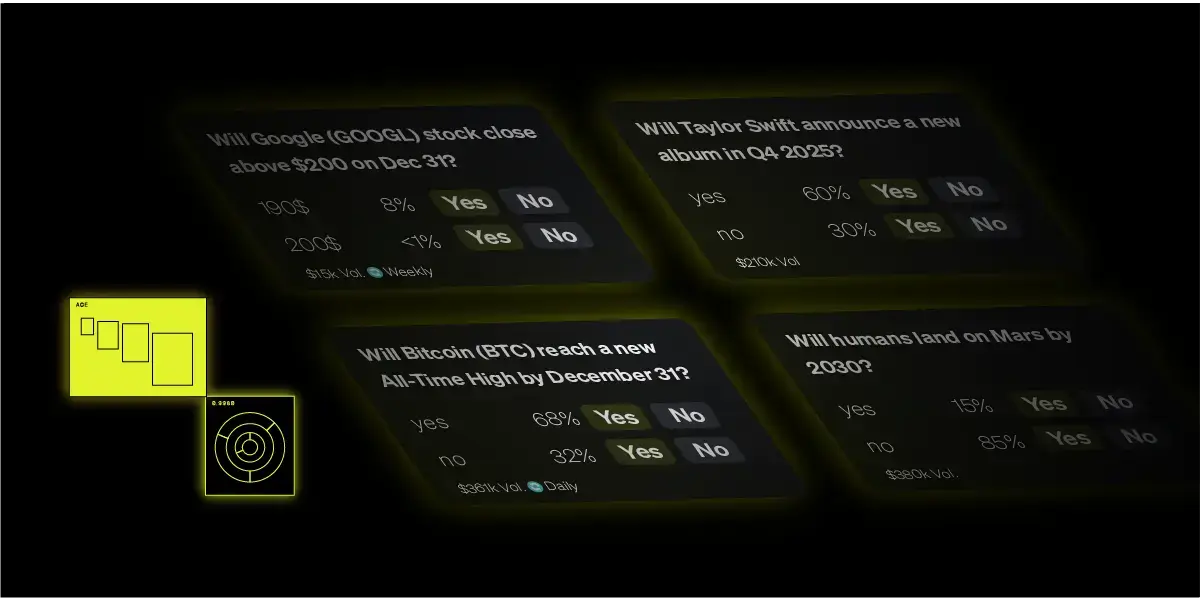
预测市场已不再是边缘的奇观。它们已正式闯入这一领域,对于体育博彩高管而言,当务之急已不再是“它们是什么?”,而是“它们是威胁还是机遇?”最紧迫的发展动向不仅在于其规模的扩张,更在于监管边界的模糊以及做市商对你们地盘的强势进军。 像Kalshi这样的受联邦监管的交易所,以及Polymarket等加密原生平台,正在迅速扩展其与体育相关的“事件合约”。 这些公司在预测市场领域既作为受监管的交易所运营,又作为创新平台运作。这种模式利用美国商品期货交易委员会(CFTC)——负责监管这些交易所的监管机构——而非各州博彩委员会,正在挑战现有的各州独立发牌模式。最近,这些公司宣布了新的合作伙伴关系和产品发布,进一步加速了赛事合约的扩张。


2025年12月1日
作为2026年的博彩运营商,选择合适的体育数据提供商已不再仅仅取决于谁拥有顶级联赛的转播权。这一决策将影响您的平台延迟、利润率、用户体验以及业务扩展能力。 体育数据生态系统虽由少数几家巨头主导,但“官方数据”模式因其高昂的成本和限制性条款而日益受到质疑。这让我们不得不进行一项关键对比:Genius Sports 与 LSports。Genius Sports 是业界巨头,以其与美国国家橄榄球联盟(NFL)和英超联赛(Premier League)建立的独家官方数据合作关系而闻名。 相比之下,LSports 则确立了其敏捷、技术优先的挑战者地位——作为一家专业体育数据提供商,它专注于博彩表现、速度和覆盖广度。在本指南中,我们将详细剖析这两家提供商之间的差异,帮助您决定哪种体育博彩 API 策略最适合您的博彩平台。准备好提升您的数据速度了吗?立即预约演示


2026年1月27日
在这个行业里,人人都在谈论“用户参与度”和“用户体验”。我们开发花哨的应用程序,整合社交动态,试图将交易型博彩转变为娱乐生态系统。但这里有一个不加修饰的事实:即使你拥有世界上最漂亮的社交博彩平台,但如果其底层的定价逻辑是静态的,那你不过是在给一栋地基摇摇欲坠的房子粉饰门面罢了。 我多次目睹大型运营商重蹈覆辙。他们以惊人的速度扩张,将市场进入和功能发布置于成本效率之上。他们开发专有技术以保持“创新”,但最终却撞上了南墙。随着交易量增长到原来的20倍或30倍,他们的运营成本——尤其是利润流失——开始以比收入更快的速度增长。









2026年5月15日
您是否正在寻找一款可靠的体育数据API,为您的平台提供实时比分、统计数据和博彩分析?Sportradar和SportsDataIO是两家广受欢迎的服务商,它们在体育赛事覆盖范围、实时数据传输以及开发者体验方面各具优势。 本文将深入探讨 Sportradar 与 SportsDataIO 的对比,分析它们的功能、特性及典型应用场景,帮助您确定哪款解决方案最符合您的需求。如果这两家供应商均无法完全满足您的要求,我们还将介绍 LSports 作为替代方案,该平台专为体育博彩领域的数据和运营而设计。



2026年5月15日
您是否正在寻找一家强大的体育数据提供商,为您的平台提供实时比分、数据分析和博彩洞察?Sportradar 和 Genius Sports 是两家广受欢迎的解决方案,它们在数据覆盖范围、技术和合作伙伴关系方面各具优势。 本文将对 Sportradar 与 Genius Sports 进行对比分析,详细剖析两者的功能、优势及理想应用场景,助您为业务选择最合适的解决方案。如果这两者均无法完全满足您的需求,我们还将介绍 LSports——这是一款灵活、高性价比且专注于博彩业务的替代方案,专为体育博彩平台设计。