2025年11月16日
交易所与博彩的困境:预测市场如何重写体育博彩的规则手册
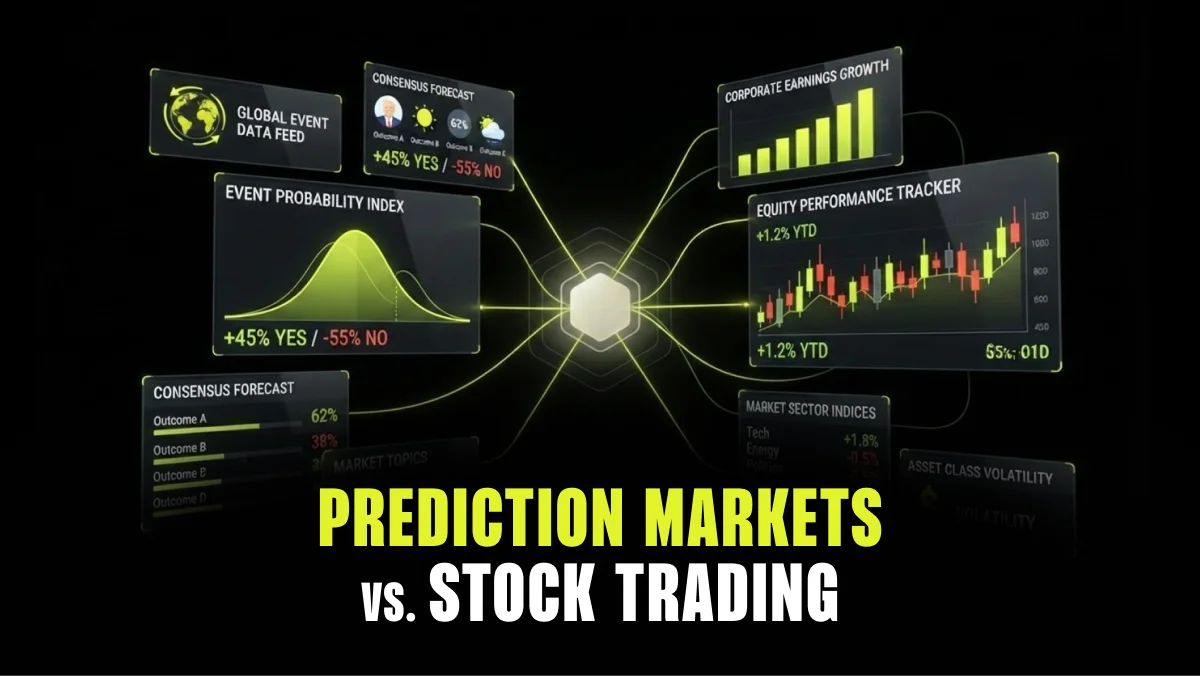
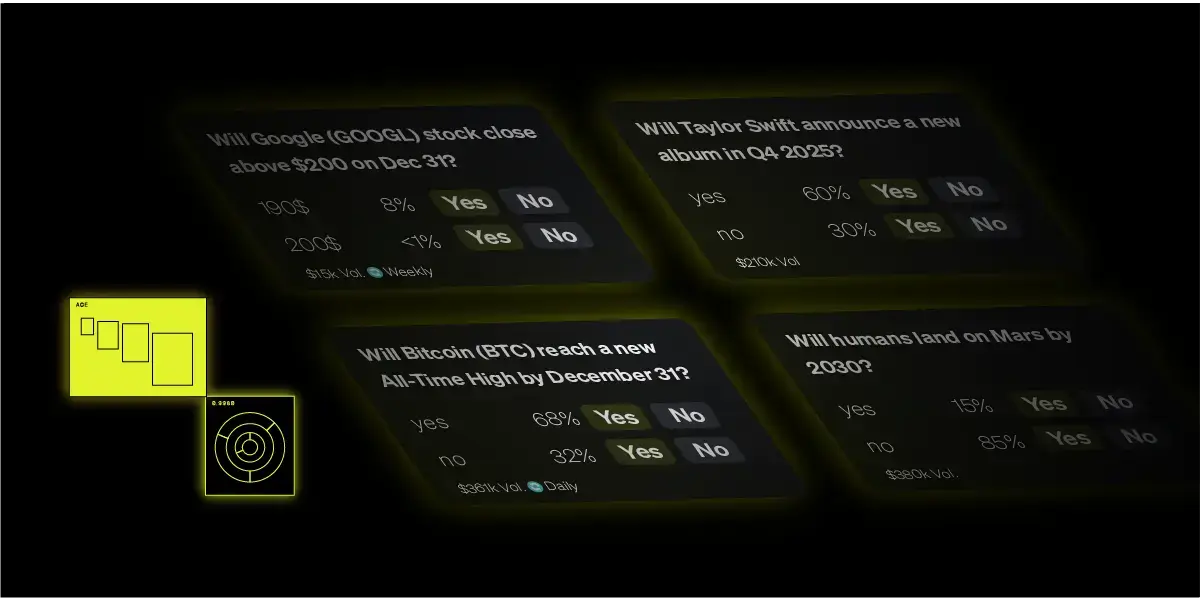
预测市场已不再是边缘的奇观。它们已正式闯入这一领域,对于体育博彩高管而言,当务之急已不再是“它们是什么?”,而是“它们是威胁还是机遇?”最紧迫的发展动向不仅在于其规模的扩张,更在于监管边界的模糊以及做市商对你们地盘的强势进军。 像Kalshi这样的受联邦监管的交易所,以及Polymarket等加密原生平台,正在迅速扩展其与体育相关的“事件合约”。 这些公司在预测市场领域既作为受监管的交易所运营,又作为创新平台运作。这种模式利用美国商品期货交易委员会(CFTC)——负责监管这些交易所的监管机构——而非各州博彩委员会,正在挑战现有的各州独立发牌模式。最近,这些公司宣布了新的合作伙伴关系和产品发布,进一步加速了赛事合约的扩张。


在本文中
订阅
保持领先地位
获取有关体育数据、博彩趋势和行业新闻的最新见解——直接发送到您的收件箱。
这是一个标题
Regulatory Arbitrage and the 50-State End-Run
This legal gray area—where a sports outcome is framed as a “financial contract”—creates a massive point of friction. States view it as a clear evasion of their licensed sports betting framework, leading to ongoing legal battles with regulators in New York, New Jersey, and Nevada. Courts have been involved in these disputes, including cases where requests for a preliminary injunction were denied. The legal debate centers on whether event contracts fall under the Commodity Exchange Act, which is enforced by the CFTC as the relevant agency.
Yet, this exact regulatory arbitrage is also the source of their disruptive power. DraftKings, for instance, has publicly acknowledged that “DraftKings Predictions” (leveraging its acquisition of a CFTC-regulated entity) could unlock new customer bases and revenue streams in states that still prohibit traditional online sports betting. Evolving regulations and varying levels of support from different states and courts continue to shape the industry.
Threat vs. Opportunity: The Executive Conversation
This is the heart of the conversation:
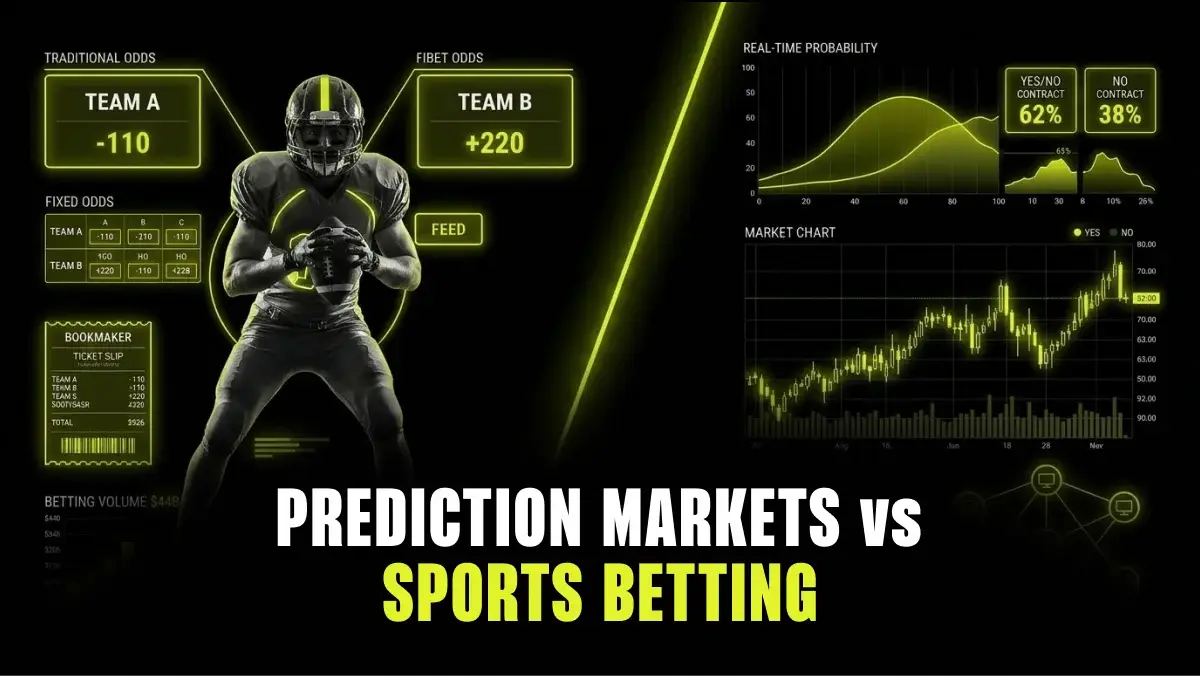
- Threat: Prediction markets offer lower fees and no sharp-bettor restrictions, often perceived as a purer peer-to-peer (P2P) model compared to a house-banked sportsbook. In this model, users and participants directly interact with each other, trading contracts and providing liquidity with real money at stake. Winning contracts are always paid out in full, and the value of these contracts reflects the collective beliefs of the market. They are already cannibalizing liquidity on certain micro-outcomes.
- Opportunity: The most sophisticated response is not to fight them, but to integrate and adapt. By embracing the exchange model, either through direct acquisition (like DraftKings) or by building P2P features internally, operators can:
- Expand Market Access: Legally operate sports-adjacent products in restricted states, expanding the total addressable market (TAM). Prediction markets have the advantage of broader accessibility for retail traders and the ability to attract more funds and interest from diverse participants.
- Enhance Price Discovery: Use the market’s collective intelligence (implied probability from trading prices) to inform your own odds-making, especially on niche or novel prop bets.
- Modernize the User Experience: The ability to “trade out” of a position (selling a contract mid-game) fundamentally changes the betting experience, mirroring the flexibility of financial markets.
The success of these markets depends on the volume of deals completed and the engagement of users with a financial interest in the outcomes.
Prediction Market: The Next Frontier
The industry needs to move past simply labeling prediction markets as “illegal betting.”
Prediction markets have existed for decades in various forms around the world, including political and election markets, and are now used across multiple industries to predict the outcomes of real-world events. These markets aggregate data from participants to generate probabilities for different outcomes, often providing more accurate forecasts than traditional polls. For example, political prediction markets have been used to predict election results and political outcomes, sometimes outperforming polls in accuracy. However, there is always a risk of manipulation or the potential for these markets to be classified as gambling, which raises regulatory challenges. As prediction markets continue to evolve, their future form may expand into new industries and event types, with ongoing debates about their regulation and operational structure.
The executives who figure out how to leverage this “financial market” model—or who successfully push for a harmonized regulatory framework—will define the next era of sports wagering.