11월 5, 2026
eSports Micro-Betting: The Next Frontier for Sportsbooks
Explore esports micro-betting, the data and technology behind real-time markets, and how sportsbooks can expand their offerings while managing risk.

이 기사에서
구독하기
항상 한 발 앞서 나가세요
스포츠 데이터, 베팅 동향, 업계 뉴스에 대한 최신 정보를 이메일로 바로 받아보세요.
이것은 제목입니다
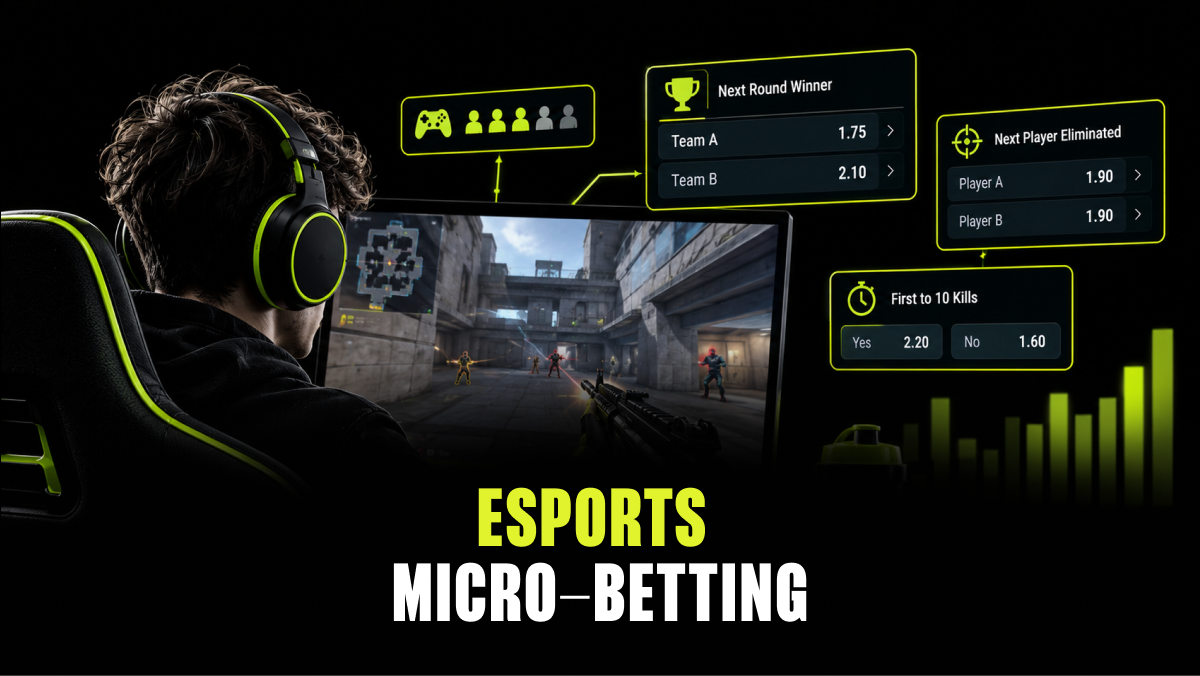
eSports micro-betting lets customers wager on short-term in-game events, such as the next-round winner or the next player eliminated.
According to Statista, global eSports betting revenue is projected to reach $2.80 billion in 2026. Micro-betting helps you compete for a share of this market by adding betting opportunities throughout each live match.
In this article, you'll learn about eSports micro-betting, common markets, and the requirements for offering them on your sportsbook.
주요 내용
- eSports micro-betting focuses on short-term in-game outcomes
Bettors can wager on individual rounds or specific match objectives, with bets typically settled within seconds or minutes. This allows customers to place multiple bets throughout a single match without waiting for the final result.
- Different eSports titles offer different micro-betting markets
CS2 and VALORANT support round-based betting, while League of Legends and Dota 2 offer markets based on champion or hero kills and objectives. Your sportsbook needs to understand each game's mechanics to determine which markets it can offer.
- Low-latency data helps prevent late bets
Micro-betting markets can open and close within seconds, so your sportsbook must receive and process live updates quickly. Delays can leave markets open after an event has happened, giving bettors with faster information time to bet at outdated odds.
- Game-specific pricing models help you calculate accurate micro-betting odds
Each eSports title has different mechanics that influence outcome probabilities. For example, CS2 pricing must account for team equipment and economy, while League of Legends models need to consider gold advantages and respawn timers.
- LSports helps sportsbooks expand their eSports micro-betting offering
LSports' eSports API covers 23 sports and 950,000 fixtures, including simulated sports. Combined with Hyper Feed's fast live updates and TRADE's automated market management, it helps your sportsbook react quickly to in-game events in eSports markets.
What is eSports micro-betting?
eSports micro-betting is a type of live betting that lets customers wager on specific actions or short segments of an eSports match. Instead of betting on the final result, customers can predict smaller events, such as which team will win the next round in Counter-Strike 2 or secure the next Roshan in Dota 2.
Because new markets open and settle around each round or objective, a single match can offer many more betting opportunities than its pre-match markets alone.
Why is eSports betting becoming popular?
Here are some of the key reasons eSports betting, including micro-betting, is popular among bettors.
- Younger adults drive eSports betting: Research involving 3,512 US adults, presented at the 2026 International Conference on Gambling & Risk Taking, found that eSports bettors were significantly younger than those participating in other forms of gambling.
- Bettors can use their gaming knowledge: People who play or follow eSports titles understand the game mechanics, team strategies, and individual player strengths. This familiarity keeps them engaged because they can analyze matches and make predictions based on their own experience.
- Live betting keeps fans involved throughout matches: eSports games feature frequent rounds, eliminations, and objectives that bettors can wager on while the match is in progress. Instead of placing a single bet before the match, customers can make predictions throughout the game and see the results within minutes.
- Streaming makes it easy to follow bets: Platforms such as Twitch and YouTube allow fans to watch professional matches live, often for free. Bettors can follow the action in real time and see how their predictions play out without relying on live scores.
- Varied markets let bettors focus on what they know: Bettors can choose between map handicaps, player performance markets, and short-term outcomes. This variety lets them focus on the parts of a game they know best, instead of being limited to predicting the final winner.
What types of micro-betting markets can you offer in eSports?
Different eSports games offer different micro-betting opportunities depending on each game's mechanics. Here are some examples of markets you can offer and the key factors to consider when pricing them.
1. Counter-Strike 2: round winners and opening eliminations
CS2 matches are played across maps, with each map consisting of up to 24 rounds in regulation. The first team to win 13 rounds wins the map, while a 12–12 tie leads to overtime. Each round presents several micro-betting opportunities based on team performance and individual player actions.
Some potential CS2 micro-betting markets include:
- Next-round winner: Which team will win the upcoming round
- First elimination: Which team will secure the first kill in a specific round
- Player eliminations: How many eliminations a particular player will record during a round
- Bomb plant: Whether the attacking team will successfully plant the bomb during a specific round
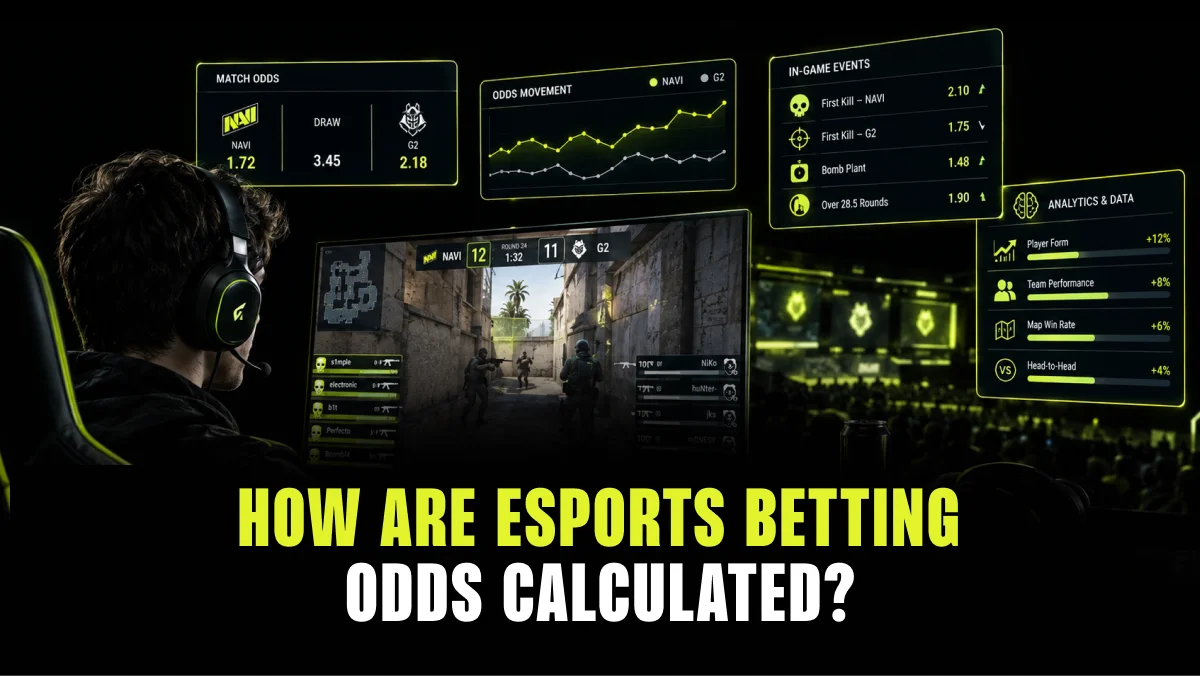
However, pricing these markets requires more than knowing which team is winning. In CS2, teams manage their in-game economy and sometimes deliberately save money by purchasing cheaper weapons or equipment in one round so they can afford better gear in the next.
For example, a team on a four-round losing streak may have saved enough during those rounds to enter the fifth fully equipped, making it far more competitive than the score suggests.
2. League of Legends: next eliminations and objective outcomes
LoL is a multiplayer online battle arena (MOBA) game in which two teams of five players compete to destroy the opposing team's Nexus. Along the way, teams eliminate enemy champions, destroy defensive turrets, and defeat powerful neutral monsters to gain advantages. These events create several micro-betting opportunities throughout a match.
Potential League of Legends micro-betting markets include:
- Next champion kill: Which team will secure the next champion kill
- Next turret destroyed: Which team will destroy the next enemy turret
- Next dragon: Which team will defeat the next dragon and claim its buff
- Timed objectives: Whether a specific event, such as a turret destruction or champion kill, will occur within a defined game-time window
Pricing these markets requires an understanding of the current match situation. A gold lead doesn’t always decide the next objective. If the leading team’s jungler dies shortly before a dragon spawns, the trailing team may have a better chance of taking it while that champion waits to respawn.
3. Dota 2: hero kills and major objectives
Dota 2 is another popular MOBA game where two teams of five players compete to destroy the opposing team's Ancient. It has a large competitive scene, with tournaments held throughout the year, including The International, one of eSports' most prestigious events. Matches can last over an hour and feature hero battles and major objectives, which are ideal for micro-betting.
Potential Dota 2 micro-betting markets include:
- Next hero kill: Which team will eliminate an enemy hero next
- Next tower destroyed: Which team will destroy the next opposing tower
- Next Roshan kill: Which team will defeat Roshan
- Timed hero kills: How many heroes will be eliminated within a specified period, such as the next two minutes
Like League of Legends, Dota 2 presents pricing challenges because the current score doesn't always reflect which team has the advantage. Hero levels, item purchases, ability cooldowns, and respawn timers can all influence the outcome of the next fight or objective.
4. VALORANT: round outcomes and Spike events
VALORANT is a tactical first-person shooter in which two teams of five players compete across multiple rounds, and the first team to win 13 rounds wins the map. As in CS2, one team attacks while the other defends, with attackers trying to plant an explosive device called the Spike. However, VALORANT also features agents with unique abilities that can influence how each round unfolds.
Potential VALORANT micro-betting markets include:
- Next-round winner: Which team will win the upcoming round
- First elimination: Which team will secure the first kill in a particular round
- Spike plant: Whether the attacking team will successfully plant the Spike during a round
- Spike defusal: Whether the defending team will defuse the Spike after it has been planted
VALORANT’s agents introduce additional factors your sportsbook needs to consider. For example, players can use agent abilities to reveal enemy positions, block visibility, or temporarily prevent opponents from entering certain areas. These actions can significantly affect the likelihood of planting the Spike or winning a round, even when both teams have similar equipment.
5. Mobile Legends: Bang Bang: hero kills and objective outcomes
Mobile Legends: Bang Bang (MLBB) is a 5v5 mobile MOBA game in which two teams compete to destroy the opposing team's base. It's particularly popular in Southeast Asia, with major competitions such as the Mobile Legends Professional League (MPL) and the M World Championship.
Matches are generally shorter than those in Dota 2, with frequent team fights and objectives that create opportunities for micro-betting.
Potential Mobile Legends micro-betting markets include:
- Next hero kill: Which team will eliminate the next enemy hero
- First turret destroyed: Which team will destroy the first opposing turret
- Next Turtle kill: Which team will defeat the Turtle, a neutral monster that provides valuable rewards
- Next Lord kill: Which team will defeat the Lord, a powerful monster that helps teams push toward the enemy base
MLBB's fast-paced gameplay makes timely data particularly important. Your sportsbook needs accurate updates on hero eliminations, respawn times, and objective outcomes to adjust odds and suspend markets as soon as an event occurs.
What do sportsbooks need to offer eSports micro-betting?
Here are the key requirements your sportsbook needs to offer reliable micro-betting markets for eSports:
- eSports data provider: Choose a provider that covers the games, tournaments, and specific in-game events you want to offer for betting. Make sure it provides detailed live updates, since basic match scores and results aren't enough to support micro-betting markets.
- eSports odds API: An eSports odds API provides the prices and market updates your sportsbook needs to offer bets on individual rounds or in-game events. Look for a solution that supports micro-markets and automatically updates odds or suspends betting when the game situation changes.
- Game-specific pricing models: Whether you calculate odds in-house or use a provider's prices, make sure the underlying models account for each game's mechanics. For example, pricing the next-round winner in CS 2 requires different information than calculating the probability of the next objective in League of Legends.
- Low-latency data delivery: Micro-betting markets can open and close within seconds, so delays in receiving or processing live data can leave your sportsbook offering outdated odds. Measure the delay at each step, from your provider’s feed to your trading system and bet acceptance, and fix the slowest link.
- Betting exposure controls: Multiple micro-betting markets can depend on the same in-game event, which can increase your sportsbook's potential payouts if several related selections win. Monitor exposure across these markets and adjust betting limits when too much money is concentrated on related outcomes.
Expand your eSports micro-betting offering with LSports
LSports provides an eSports API that combines popular competitive gaming titles with simulated sports, covering 23 sports and 950,000 fixtures. It allows you to expand your eSports betting selection across different games and competitions without sourcing data from multiple providers.
For fast-moving live markets, Hyper Feed delivers rapid data updates with confidence grading and detailed event information. This helps your sportsbook respond to in-game developments and reduce the risk of accepting micro-bets at outdated odds.
You can also use TRADE to automate odds generation, market suspensions, and settlement, so your traders don’t have to adjust every market by hand as rounds end and objectives fall.
To manage betting risks, DEFEND lets you monitor exposure in real time and set customized betting limits by sport, competition, fixture, or player. It also helps you identify high-risk betting patterns, including concentrated exposure across multiple micro-betting markets linked to the same in-game event.
Request a demo today and see how LSports can support your eSports micro-betting markets with real-time data and trading tools.
자주 묻는 질문:
1. Is eSports micro-betting legal?
eSports micro-betting is subject to the gambling laws of each jurisdiction. For example, a New Jersey bill (A3258) that would ban online micro-betting cleared an Assembly committee in June 2026 and remains pending. It isn’t specific to eSports.
2. How can sportsbooks prevent courtsiding in eSports micro-betting?
Courtsiding occurs when bettors use faster information than the sportsbook receives to place wagers on outcomes that have already happened. To reduce this risk, use low-latency data feeds and suspend markets promptly after important events.
3. Can sportsbooks offer eSports micro-betting on lower-tier tournaments?
Yes, provided the competition is permitted under your license and you have reliable data for the specific events you want to trade. Lower-tier tournaments can have limited data coverage and greater integrity concerns, so assess each competition before introducing micro-betting markets.
4. How do game updates affect eSports micro-betting odds?
Game developers regularly release patches that change character abilities and other mechanics that influence match outcomes. These updates can sometimes occur mid-tournament, so your trading team needs to review the changes and adjust pricing models to keep micro-betting odds accurate.