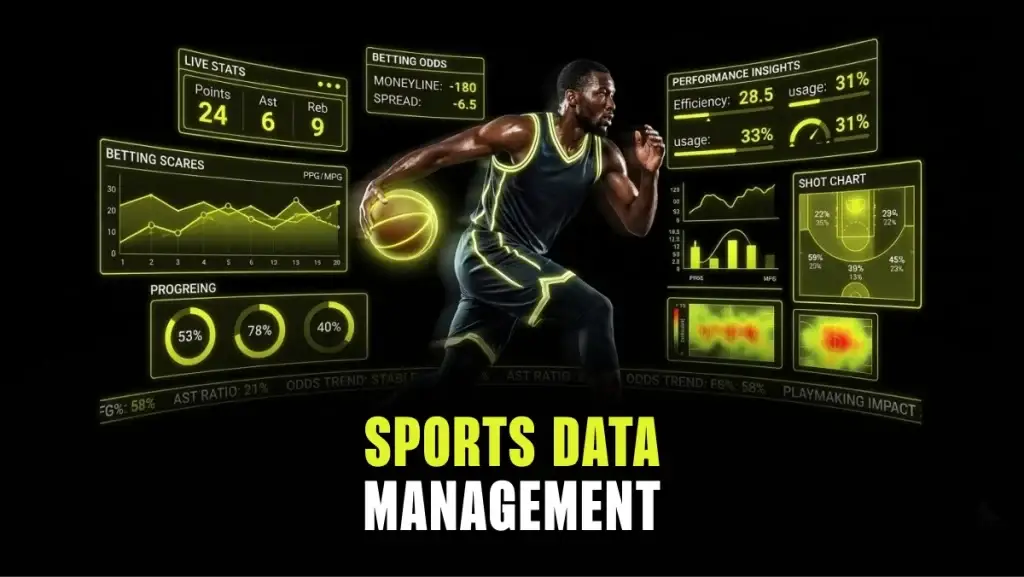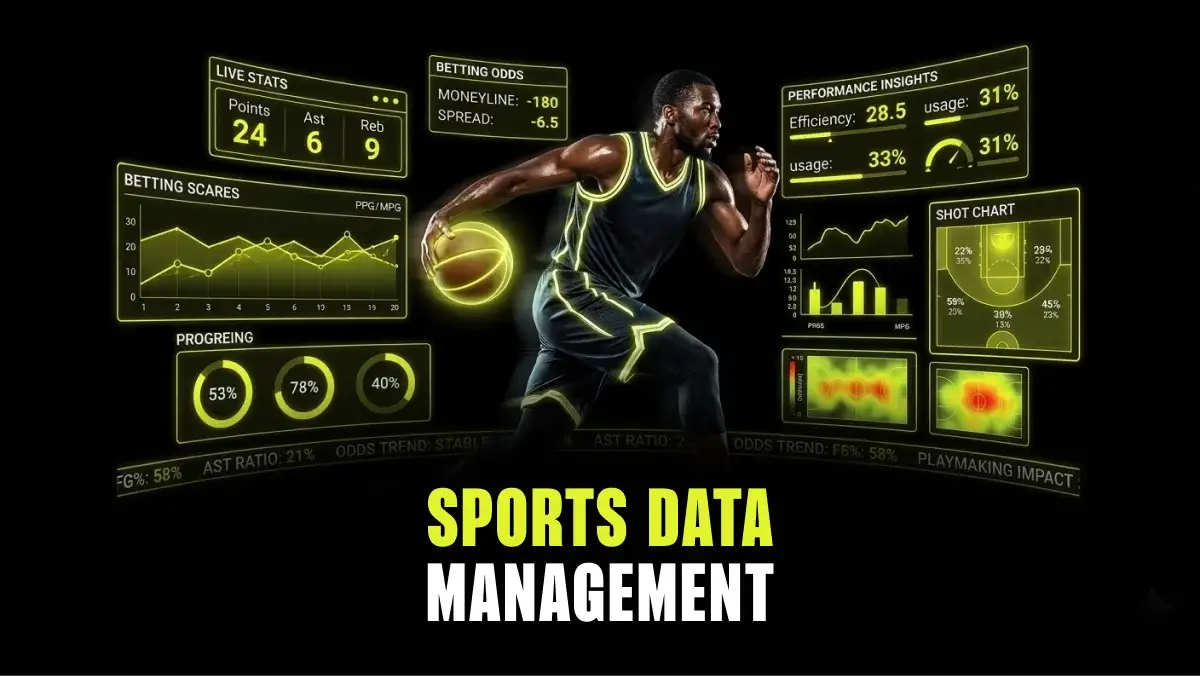

It ensures sports data is validated, organized, and distributed across your platform, so that odds, live betting, and bet settlement always use consistent, up-to-date information.
Accurate, low-latency data helps you price markets more confidently, settle bets correctly, reduce risk, and deliver a smoother betting experience.
When your data follows consistent standards and is validated before use, your sportsbook is less likely to experience integration issues, incorrect market updates, or operational disruptions.
Multiple providers, different data formats, live updates, feed outages, and expansion into new sports all increase operational complexity.
LSports provides verified, standardized sports data across a wide range of sports, leagues, and markets, removing the complexity of managing multiple data sources, formats, and integrations.
Sports data management is the process of collecting, organizing, validating, storing, and distributing sports data so that your sportsbook always operates with accurate, up-to-date information. This includes fixture schedules, team data, live match events, player statistics, odds feeds, and official results.
When managed effectively, this data helps you make faster decisions, reduce pricing errors, and deliver a smoother betting experience.
Sports data passes through several stages before it can be used effectively. Collecting and managing sports data are both important parts of this process, and while they may seem similar, they serve different purposes at different stages:
For example, a provider may send a notification when a football team scores. Your data management system still needs to:
By default, sportsbooks deal with vast amounts of sports data, including the following types:

Sports data affects almost every part of your betting product, from the markets customers see to the results used for settlement. Here are the key benefits of sports data management:
Your odds are only as accurate as the data behind them. When your sports data is complete, consistent, and up to date, your traders and pricing models can make better decisions and reduce the risk of offering inaccurate odds.
Live betting depends on receiving and processing data almost instantly after something happens on the field. By standardizing incoming data and processing each update as soon as it arrives, you can get match events to your trading systems faster and update live markets with fewer delays.
Settling bets often requires more than just the final score, especially for player props and other complex markets. A well-organized data history helps you track every update and correction, which makes settlements more accurate and easier to audit.
Customers expect odds, scores, markets, and bet settlements to update quickly and accurately throughout an event. By ensuring the same validated data is used across your sportsbook, you reduce the risk of customers encountering conflicting scores, outdated odds, or incorrect market information.
Every second matters in live betting, and even small data delays can create costly mistakes. When your trading and risk systems receive reliable match data from a single standardized feed rather than combining multiple feeds, your team can spot risks sooner, suspend markets in time, and avoid taking bets at outdated prices.
Identifying suspicious betting activity requires accurate information about both what happened during a match and when it happened. Keeping match events properly recorded and timestamped allows you to compare them with betting activity and investigate unusual patterns that could indicate match-fixing or other integrity issues.
Organized historical data helps you see which sports, competitions, and betting markets perform best. You can use these insights to improve your betting offering, evaluate data providers, and make better trading decisions.
Sports data management requires more than purchasing a feed and connecting it to your platform. The following practices can help you create a reliable process from ingestion to long-term storage:
Start by identifying what sports data you collect, where it comes from, who is responsible for it, and how it should be used across your sportsbook. When every team has a clearly defined role, it’s much easier to maintain accurate, consistent, and reliable data.
Your data governance policy should also define:
Different providers usually describe sports information in distinct ways. One feed might use “Manchester United,” another might use “Man Utd,” and your internal platform may store the team under a completely different ID.
That is why you should create one standard name and ID for each team, player, competition, and other sports entity in your system. Then, connect each provider’s version of that entity to the same internal record. For example, “Manchester United” and “Man Utd” would both be recognized as the same team, regardless of which provider sends the data.
Your internal data model should also define how common events are represented. This includes standard formats for:
Standardization becomes especially important when you use multiple providers. A backup feed is useless if your platform can’t quickly match its events to your primary feed’s.
Delayed updates, duplicate events, or incorrect scores can appear in any feed, so it’s important to verify incoming data before it powers your odds, betting markets, or customer-facing features.
For example, in football, a data provider may initially report a goal before VAR completes its review. If you immediately settle markets based on that update instead of waiting for confirmation, you could end up paying out winning bets that later become losing bets when the goal is overturned.
Your validation process should flag cases in which:
Even with validation in place, you need continuous visibility into the quality of your sports data. Tracking performance over time helps you identify recurring issues, evaluate providers, and detect problems before they affect your sportsbook.
Create dashboards and alerts that monitor key data quality metrics, such as:
Regularly reviewing these metrics allows you to spot trends, hold data providers accountable to service-level agreements (SLAs), and improve your internal processes. It also helps you identify whether issues originate with the provider, your integration, or downstream systems before they impact trading or the customer experience.
Sports data management becomes more difficult as you add providers, competitions, live markets, and customer-facing features. Here are some of the key challenges:
LSports is a global sports data provider that helps you improve data quality, optimize trading operations, and scale your betting offerings with confidence. Through its Sports API, LSports delivers continuously updated, verified sports data covering more than 100 sports, 15,000+ leagues, and 175,000+ pre-match events every month.
Key LSports capabilities include:
The ARENA360 ecosystem provides an integrated suite of solutions that helps you streamline trading operations, manage risk, analyze performance, and improve player engagement from a single platform. It includes:
Together, these features provide the foundation for effective sports data management. By delivering accurate, low-latency data alongside integrated trading, risk, and analytics, LSports helps you reduce operational complexity while improving the speed, consistency, and reliability of your betting operations.
Request a demo today and learn how LSports’ independent, comprehensive sports data can help your sportsbook outpace the competition.
Official sports data comes directly from leagues or their authorized partners, while unofficial data is collected independently by third-party providers.
Official data offers access to exclusive competitions and sometimes higher accuracy. However, many sportsbooks primarily use independent data because it can provide broader coverage and lower latency for certain events, all while being more cost-effective.
Common metrics include feed latency, uptime, data completeness, validation failure rate, correction frequency, duplicate event rate, and settlement accuracy. Tracking these KPIs helps you identify issues early and evaluate both provider performance and internal data processes.
Sports data management focuses on organizing, validating, storing, and distributing sports data, while sports data analytics uses that data to analyze team and player performance, betting trends, and market performance.
Sportsbooks use historical data to compare past results, track team and player performance, and see how similar events have played out before. This gives traders and pricing models more information to work with when setting odds and evaluating upcoming events.