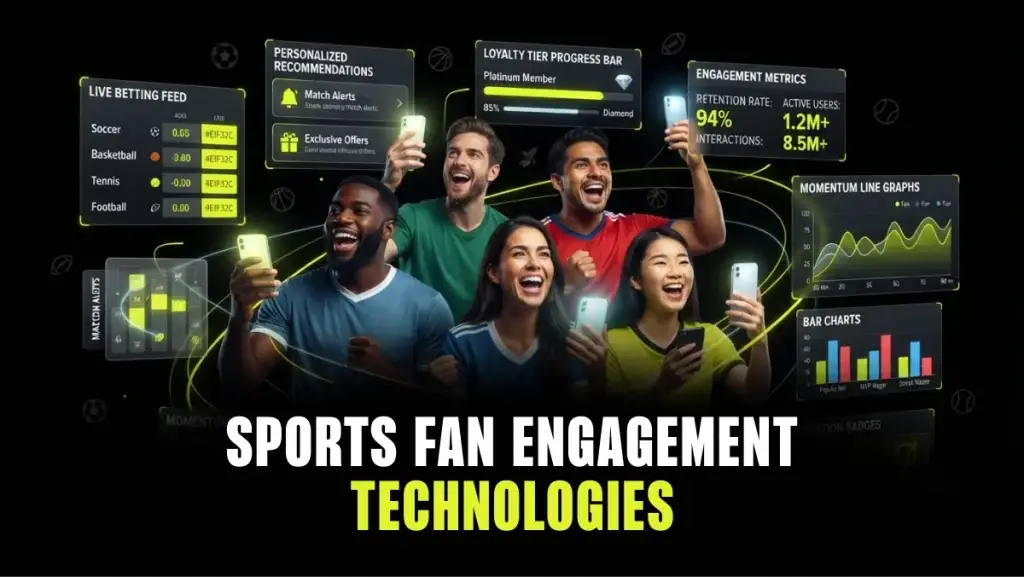
Sports bettors watch more games, attend more live events, and stay tuned longer, even during one-sided matches. Features like in-play betting keep them continuously invested from start to finish.
Betting pushes fans beyond their usual teams and leagues. Many discover new sports, develop new loyalties, and follow a wider range of events they would otherwise ignore.
Bettors don’t just watch, they interact. They check stats, scroll social media, and place bets in real time, especially on mobile. This constant activity keeps them mentally locked into the game.
More involved fans are also more willing to spend on tickets, merchandise, and experiences. Bettors show a stronger buying mindset and are more likely to invest in their fandom.
Tools like micro-betting, leaderboards, rewards, and live data turn passive viewing into an interactive experience. Platforms like LSports’ ARENA360 provide real-time data, personalization, and gamified experiences to increase retention, activity, and long-term revenue.
Recent research shows that sports bettors are significantly more engaged than non-bettors across many aspects of the fan experience. Specifically, this is reflected in:
Sports bettors are more likely to watch games frequently and attend live events than non-bettors. In the US, Deloitte reported that in 2022, 61% of sports bettors attended a live game, compared to 44% of non-bettors.
A key factor behind this sustained engagement is in-play betting, which allows fans to place rapid, real-time wagers as the action unfolds, keeping them invested throughout the entire game.
Sports betting often expands the range of games and leagues that fans follow. Many bettors tune in to events they would otherwise ignore. In the US, 43–48% of bettors (21+) say gambling has led them to watch sports or leagues they don’t typically follow.

This effect goes beyond occasional viewing, as betting also creates new loyalties. In 2022, 27% of adults reported discovering new teams or “rooting interests” as a result of betting.
Sports bettors are more likely to stay actively engaged during games by multitasking through activities like:
Deloitte’s research shows that 77% of fans engage in at least one additional game-related activity while watching at home. Additionally, 49% of Millennials look up player stats or social content, and 47% actively interact on social media during games.
Most notably, bettors are significantly more likely than older or non-betting fans to place bets through mobile apps while watching, further deepening their level of real-time engagement.
The table below highlights how different generations multitask while watching sports:

Their higher level of engagement often translates into greater interest in merchandise, tickets, and other fan-related purchases. Research shows that bettors are more inclined to buy team merchandise and invest in experiences like season tickets, with this trend especially pronounced among younger fans. For example, 58% of bettors purchased sports merchandise or memorabilia vs. 42% of non-bettors.
Bettors also display a stronger overall willingness to spend. They are far more likely than non-bettors to feel it’s a “good time to make a major purchase” (44% vs. 13%), reflecting a more optimistic spending mindset.
Rather than watching alone, many bettors participate in ongoing digital conversations that enhance the overall experience. One clear example is the rise of “Gambling Twitter,” where betting discussions are especially prominent. According to a Twitter survey, 72% of sports bettors use the platform to track their live bets after placing them.
Social media also influences betting behavior. About 65% of bettors say they feel more motivated to place bets on major events that are trending online, showing how digital buzz can directly drive wagering activity.
To better engage users and keep their attention, sportsbooks are increasingly adding gamified features to their platforms. These features are designed to make the experience more interactive and enjoyable, and include:
Micro-betting, or in-play wagering, lets fans place quick bets on what will happen next, like a single pitch, free throw, or possession, turning every moment of a game into an opportunity. These rapid bets require little expertise, making them especially appealing to casual viewers while keeping audiences engaged even during slower parts of play.
Progression systems and rewards programs in betting apps motivate users by offering points, badges, or status levels based on their activity. Features like weekly challenges or tier upgrades, such as earning free bets for reaching a higher level, create clear goals and make the experience feel more like a game. In fact, the TGM Global Gambling & Sports Betting Report found that 73% of respondents would be more interested in betting if it included rewards like points or badges.
Leaderboards and social challenges add a competitive, social layer by letting users compare their performance through daily, weekly, or seasonal rankings. Time-limited goals, like finishing in the top 10 by a deadline, create urgency and turn betting from a solo activity into a more engaging, shared experience.
Tiered loyalty programs, such as silver, gold, and platinum levels, encourage long-term engagement by rewarding continued play with perks like better odds, cashback, or exclusive access.
Many platforms enhance betting with live stats, streams, and interactive features such as play-by-play feeds and on-screen odds, creating a more immersive, all-in-one experience. Combined with gamified elements like animations and streak trackers, these features keep users engaged throughout the game, especially younger audiences who prefer fast, interactive, multi-screen experiences.
Why are betting and gamification features so effective at boosting engagement? The answer lies in psychological factors that amplify fans’ attention and emotional investment:
Even though sports betting clearly increases fan engagement, for sportsbooks and betting platforms, this creates a new challenge: keeping that engagement high over time requires constant innovation.
With so many platforms available, loyalty is fragile. 77% of bettors say they are willing to switch to a platform that offers a more engaging experience. That means it’s no longer enough to simply offer odds and markets. To retain users, operators need to continuously upgrade their products with real-time, interactive, and personalized features that align with modern consumption habits.
This is where LSports can help you.

LSports is a world-leading sports data solutions provider that supplies the data and insights sportsbooks need to maximize profits, boost player engagement, and stay ahead of the competition. At the core of its offering is ARENA360, an all-in-one platform that enables operators to manage their entire sportsbook ecosystem from a single place.
ARENA360 includes four powerful components:
LSports offers engagement tools specifically designed to increase retention, activity, and betting volume:
Partner with LSports and power your sportsbook with real-time data, gamification, and personalized experiences that drive deeper engagement and long-term growth.
In-play betting is the biggest driver, as it keeps users constantly involved with real-time decisions. Features such as live stats, instant odds updates, and gamification elements (quizzes, leaderboards) further boost engagement and time spent.
Engagement is measured through metrics like session time, bet frequency, and feature interaction. Operators can optimize it by using personalization, real-time data, and continuous testing to refine what keeps users active.
Users switch for better UX, faster data, and more engaging features or rewards. To prevent churn, sportsbooks need to offer seamless performance, personalized experiences, and ongoing innovation.